

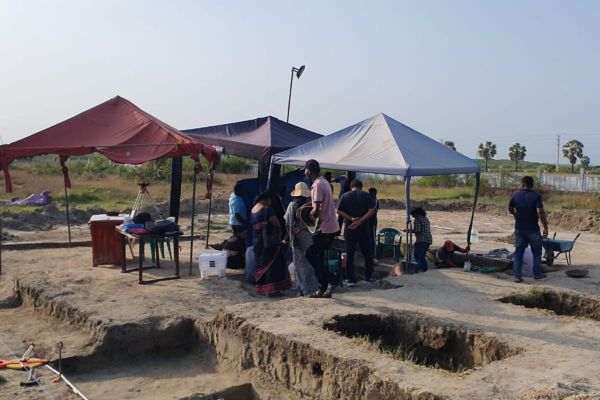
JAFFNA, Sri Lanka — Tamil civil society activists in northern Sri Lanka are beginning a four-day campaign on Friday to demand international justice and accountability for alleged wartime atrocities, as excavations at the Chemmani mass grave continue to uncover human remains.
The campaign, called “Cry for Justice — 2,” is being organise by the Homeland Task Force and will run from Aug. 14 through Aug. 17, culminating in a demonstration near the Chemmani mass grave site outside Jaffna.
The organisers said the campaign would seek justice for people believed to have been killed and buried at Chemmani, as well as for their families, and would press for accountability over broader allegations of atrocities committed against Tamils.
The campaign comes as excavation work at Chemmani has again focused attention on one of the most enduring questions from Sri Lanka’s decades of conflict: what happened to people who disappeared after coming into the custody of the security forces.
According to the organisers, excavations at the site reached their 100th day on Aug. 8, with more than 500 human skeletons identified so far.
From Friday through Sunday, organisers plan a series of activities intended to raise public awareness about the Chemmani mass grave and allegations of atrocities against Tamils. The campaign will conclude on Monday, Aug. 17, with a larger protest near the excavation site.
Relatives of the forcibly disappeared are expected to join the demonstration alongside representatives of Tamil nationalist political parties, religious leaders, human rights and civil society activists, university students and members of the public.
Chemmani has carried particular significance in northern Sri Lanka since the late 1990s, when allegations emerged that people who disappeared after government forces retook the Jaffna peninsula had been buried in clandestine graves in the area.
Those allegations gained national and international attention following the 1996 rape and murder of the Jaffna schoolgirl Krishanthy Kumarasamy. A soldier convicted in that case later alleged that bodies of people killed after being taken into military custody had been buried at Chemmani. Subsequent excavations uncovered human remains.
The latest excavations have revived demands from victims’ families and rights activists for an investigation capable of establishing the identities of those buried there, determining how they died and identifying those responsible.