

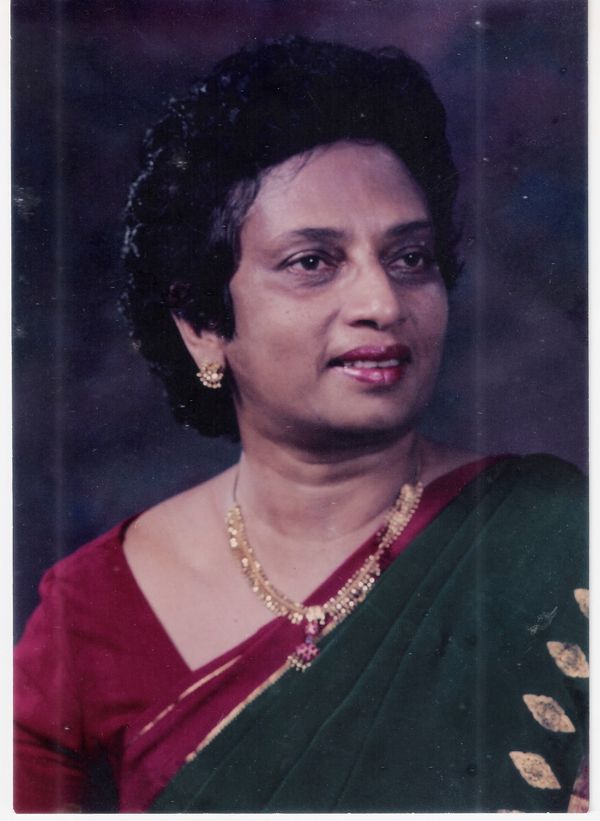
Deepthi Attygalle, the Sri Lankan anaesthesiologist whose work on magnesium sulphate became an important reference point in the treatment of severe tetanus, died on June 1, 2026. She was 86.
For much of the twentieth century, severe tetanus was managed by heavily sedating patients and supporting them on mechanical ventilators for weeks at a time, a regimen that consumed intensive-care resources often unavailable in many developing countries. At the General Hospital in Colombo, Dr. Attygalle and her colleague, Dr. Nalini Rodrigo, sought to demonstrate an alternative approach: that intravenous magnesium sulphate could control the muscle spasms and dangerous fluctuations in heart rate and blood pressure associated with the disease while allowing patients to remain conscious and breathe independently.
Their findings, reported in the journal Anaesthesia in 1997 and further examined in a prospective study of 40 patients published in the same journal in 2002, were subsequently cited widely in the medical literature.
In the 2002 study, magnesium sulphate was found to be effective in controlling many of the most serious manifestations of severe tetanus, reducing the need for deep sedation and prolonged artificial ventilation in a substantial number of patients. A review article published by the authors in 2004 placed the treatment approach in a broader clinical context. Their work attracted international attention, informed subsequent research, and continues to be cited in discussions of tetanus management, particularly in settings where intensive-care resources are limited.
Deepthi Attygalle was born in Colombo on April 17, 1940. She qualified in medicine from the University of Colombo in 1964 and trained in anaesthesia, then a relatively young specialty in Sri Lanka, both locally and in the United Kingdom. She later became a Fellow of the Royal College of Anaesthetists.
Upon returning to Sri Lanka, she joined the General Hospital Colombo, later renamed the National Hospital of Sri Lanka, as a Consultant Anaesthetist. She remained there throughout a distinguished career that spanned several decades.
Colleagues remembered her not only for her research but also for her commitment to teaching and postgraduate medical education. As Chair of the Board of Study in Anaesthesia at the Postgraduate Institute of Medicine from 1992 to 1998, she played a leading role in shaping postgraduate training in the specialty. Her emphasis on academic rigor and clinical excellence left a lasting influence on generations of doctors.
She grounded both her clinical practice and teaching in the principles of physiology, a method that many former students recalled as intellectually demanding, clinically relevant, and deeply inspiring. Anaesthetists trained under her guidance today serve in hospitals across Sri Lanka and around the world.
Dr. Attygalle served as President of the College of Anaesthesiologists of Sri Lanka from 1989 to 1991 and was a founder Vice-President of the South Asian Confederation of Anaesthesiologists. She was elected to the regional board of the Asian and Australasian Section of the World Federation of Societies of Anaesthesiologists in 1990 and later to the federation’s executive committee in 1996. She also served as a visiting examiner in anaesthesiology in Malaysia and other countries in the region.
Together with Dr. Nalini Rodrigo and Dr. Anuja Abayadeera, she co-authored the Handbook of Anaesthesia, which became a widely used reference text for trainee and consultant anaesthesiologists in Sri Lanka.
Her husband, Dr. Lakshman Attygalle, predeceased her. She is survived by her children, Priyan, Ayoma, and Amila, as well as her grandchildren.
Through her contributions to clinical practice, medical education, and research, Dr. Attygalle helped shape the development of anaesthesia as a modern medical specialty in Sri Lanka. Her influence continues through the generations of doctors she trained and the work she left behind.
Jaffna Monitor extends its condolences to her family, friends, colleagues, former students, and all those who mourn her passing.
Dr. (Mrs.) Deepthi Attygalle, MBBS, FRCA
April 17, 1940 – June 1, 2026