

JAFFNA, Sri Lanka, Oct. 21 — Douglas Devananda, the former Sri Lankan cabinet minister and leader of the Eelam People's Democratic Party (EPDP), has thanked President Anura Kumara Dissanayake's government for searching his party's offices, saying the operations would help clear its name of longstanding allegations.
Officers of the Criminal Investigation Department, acting on a court warrant, first searched the EPDP’s office at 273 Stanley Road in Jaffna before proceeding to its office in Kayts to make inquiries about an individual.
Devananda said no weapons had been found during the searches and welcomed further investigations, including examinations of land beneath former EPDP camps and offices.
"We thank the National People's Power government led by President Anura Kumara Dissanayake for searching our offices and confirming that we had not concealed any weapons," he said.
He said allegations had subsequently emerged that evidence might be buried beneath the premises and urged the government to investigate those claims using modern ground-scanning equipment.
"The government has advanced scanning technology," he said. "I ask them to examine the land beneath our former camps as well and clear our names."
Devananda also referred to a former EPDP office in Colombo that had been demolished to make way for a multistory building. He said the developers would have excavated at least 30 to 40 meters for the building's basement and foundations, yet no human remains had been discovered.
His remarks came amid allegations that the former premises had been used to dispose of people.
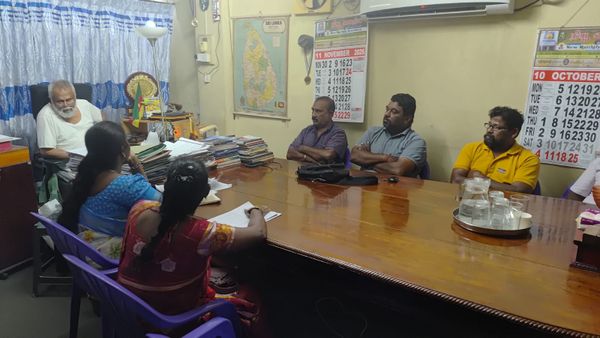
Speaking at a meeting of EPDP representatives from Velanai at the party's headquarters on Tuesday, Devananda said the investigations were welcome and should continue.
He also cited an interim report by archaeologist Professor Raj Somadeva on human remains excavated at Chemmani, near Jaffna.
According to Devananda, the report raised the possibility that some of the deaths could have resulted from an epidemic or natural disaster. He said the findings challenged allegations previously directed at his party.
Devananda maintained that the EPDP had worked to prevent disappearances in the Chemmani area during the conflict and that its interventions had helped reduce such incidents.
The former minister said he had already written to President Dissanayake requesting investigations into accusations against his party.
Devananda, who has served in several Sri Lankan governments, said his party's longstanding policy had been to cooperate with the state to secure practical benefits for Tamil communities.
He recalled working with administrations led by Ranasinghe Premadasa, D.B. Wijetunga, Chandrika Kumaratunga, Mahinda Rajapaksa, Gotabaya Rajapaksa and Ranil Wickremesinghe.
He said the administrations of Maithripala Sirisena and Dissanayake were the only two governments since the 1990s with which the EPDP had been unable to establish a similar working relationship.
Nevertheless, he said, the government's decision to investigate his party's premises had given the EPDP an opportunity to answer its critics.
He urged party members not to be alarmed by the searches and to continue their political work.
"Such investigations should be welcomed," he said. "We must continue working to fulfil the expectations of our people."