

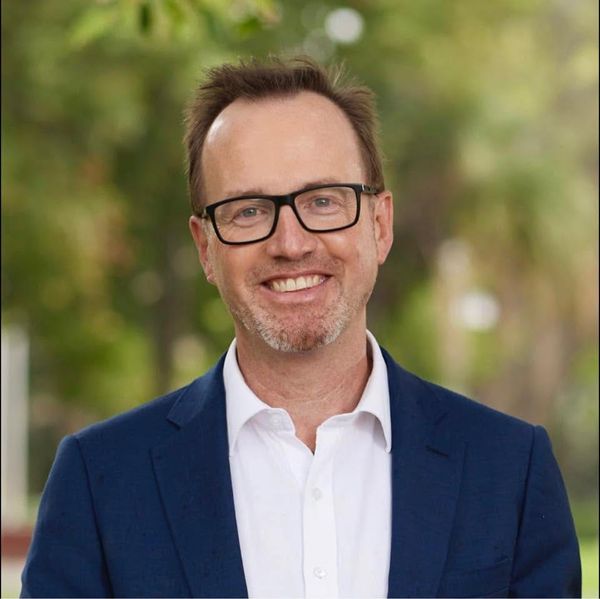
CANBERRA, Australia —An Australian senator has urged his government to raise the Chemmani mass grave with Sri Lanka in bilateral talks and at the United Nations Human Rights Council, calling for independent forensic scrutiny of the site and protection of the evidence recovered from it.
David Shoebridge, a Greens senator for New South Wales, told the Australian Senate that Canberra should act on its stated commitments to accountability in Sri Lanka. "This means supporting the preservation of the whole site," he said, along with an independently verifiable chain of custody for remains and other evidence, and work with the Sri Lankan government to ensure the investigation is capable of producing accountability.
The appeal comes at a pause in the excavation. The third phase of digging at Chemmani ended on Aug. 19 after 56 court-authorised days, bringing the total to 583 sets of human remains recovered over 110 days across three phases. That makes Chemmani the largest mass grave uncovered in Sri Lanka, surpassing the Mannar Sathosa site. Investigators have found infants and young children buried alongside adults, in clusters and stacked one above another, together with clothing, feeding bottles, toys and beads.
None of that establishes who the dead were, when they died, or how they came to be buried there. Archaeological, forensic and carbon-14 examinations remain pending, and identification has not begun. Whether a fourth phase proceeds rests with the Jaffna Magistrate's Court, which is due to take up reports on the excavation on Oct. 14.
In his remarks, Mr. Shoebridge cited a figure of 544 sets of remains identified at the time, some of which, he said, were believed from their size to be infants and very young children.
He said Human Rights Watch had documented around 20 mass grave sites across Sri Lanka, none of which had been successfully investigated to completion.
Chemmani has been on the public record since 1998, when a soldier convicted in the abduction, rape and murder of the Jaffna schoolgirl Krishanthy Kumaraswamy alleged that hundreds of people who disappeared after the military recaptured the peninsula had been buried at the site. Amnesty International called for an independent excavation that year, with international assistance. The 30th anniversary of Krishanthy's killing falls on Sept. 7.
Volker Türk, the United Nations high commissioner for human rights, visited Chemmani and called for robust investigation by independent forensic experts.
Mr. Shoebridge noted that Australia told the Human Rights Council in September 2025 that it remained committed to supporting reconciliation, accountability and transitional justice in Sri Lanka. "Now we need to follow through," he said.
He acknowledged what he called first steps by the Sri Lankan government, but said Chemmani should stay on the agenda both bilaterally and at the Human Rights Council. He said he joined the Tamil community in Australia in making that call.
The Tamil Refugee Council, an Australia-based advocacy group representing and campaigning for Tamil refugees and asylum seekers, said in response to Mr. Shoebridge’s speech that Sri Lanka had repeatedly failed to complete credible investigations into its mass graves and that Tamil families could not be expected to trust domestic mechanisms.
"The families and the community fundamentally deserve answers," Mr. Shoebridge said.