
MULLAITIVU, Sri Lanka — Relatives of 24 Tamil civilians killed in an airstrike 27 years ago gathered at a road junction in northern Sri Lanka on Tuesday to light lamps and scatter flowers, holding the annual commemoration themselves after the groups that had arranged it in previous years withdrew, citing pressure from government intelligence officers.
Community organizations and other local groups had helped organize the ceremony at Manthuvil, in the Puthukkudiyiruppu area of Mullaitivu District, in past years, relatives said. None came forward this time.
Organizers and residents said intelligence officers had approached people involved in arranging commemorations in the area, and many had stepped back for fear of prosecution. They said the government had shown a willingness to bring cases against those who organize remembrance events.
An organizer who asked not to be identified, citing fear of reprisal, said the approach differed from that of previous administrations, which he said had moved to block such gatherings outright. The current government avoids open bans because they would damage the goodwill it has sought to build among Tamils, he said, and relies on intimidation of organizers instead.
The Sri Lankan government has not commented on the accusation.
The attack took place on Sept. 15, 1999, during a civil war that lasted nearly three decades. According to accounts from residents, Sri Lankan Air Force aircraft struck the area around Manthuvil Junction that day, killing 24 civilians. Families of the dead have returned to the site every year since.
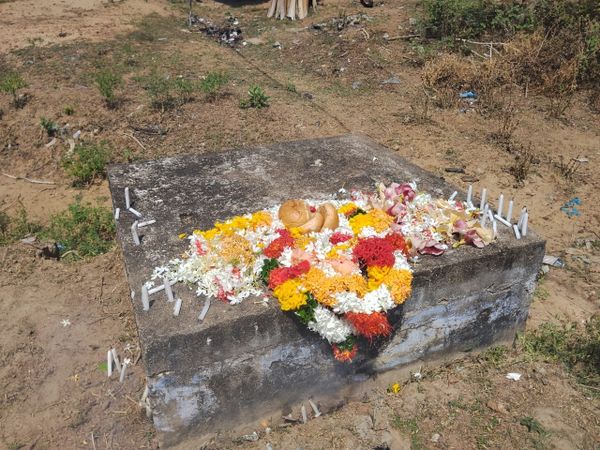
On Tuesday they lit a ceremonial flame, laid garlands and flowers and lit oil lamps for the dead. Several wept as they stood at the junction. The gathering was smaller and more subdued than in past years.
Mullaitivu was among the districts worst affected by the war and was the setting for its final and bloodiest fighting in 2009. Sites associated with civilian deaths, disappearances and wartime destruction are scattered across the district, and many are marked each year by families and local communities.
Public remembrance remains a sensitive matter in Sri Lanka's Tamil-majority north and east. Families of civilians killed in the conflict draw a distinction between their commemorations and events honoring members of the Liberation Tigers of Tamil Eelam, the rebel group that fought the Sri Lankan state for a separate Tamil homeland until its military defeat in May 2009.
More than 17 years after the fighting ended, accountability for abuses committed during the war remains unresolved. Victims' families, rights groups and international bodies have pressed successive governments for credible investigations into alleged violations by government forces and by the Tigers.
Those attending asked journalists not to photograph or record the proceedings, saying they feared for their security. The government has said repeatedly that Tamils in the north are free to commemorate their dead.