

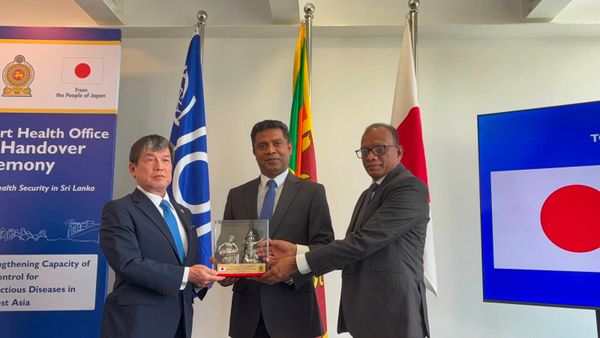
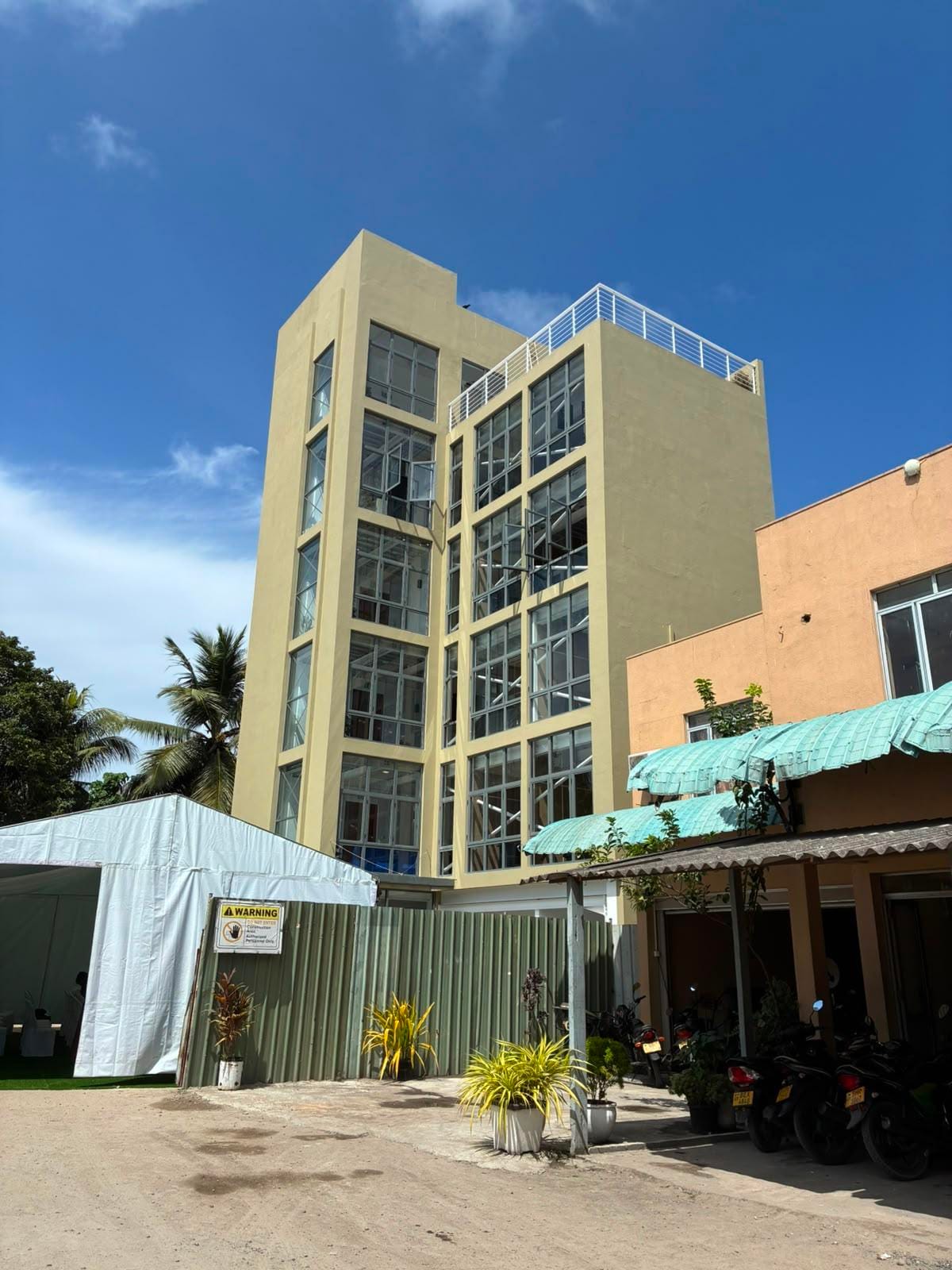
COLOMBO — Citing escalating geopolitical tensions in the Middle East and Sri Lanka's growing importance as a maritime hub in the Indian Ocean, Japan on Tuesday said strengthening the island nation's border health infrastructure had become essential to safeguarding global trade and public health, as it inaugurated a new Port Health Office at the Port of Colombo.
"Amid ongoing geopolitical tensions in the Middle East, Sri Lanka's strategic importance as a safe and reliable maritime hub in the Indian Ocean is greater than ever," Japanese Ambassador Akio Isomata said at the inauguration ceremony. "As the country experiences record growth in tourism and trade, building robust, crisis-resilient border health infrastructure today is indispensable to preventing future disruptions, safeguarding public health, and supporting Sri Lanka's long-term economic prosperity."
The new facility, funded by the Government of Japan and implemented by the International Organization for Migration (IOM), was formally handed over to Sri Lanka's Ministry of Health. It is intended to strengthen disease surveillance, health screening, and emergency response capabilities at the Port of Colombo, one of South Asia's busiest transshipment ports.
The project forms part of Japan's broader effort to strengthen border health systems across Southwest Asia following lessons from the COVID-19 pandemic. In Sri Lanka, the initiative also supports Bandaranaike International Airport through investments in medical equipment, infrastructure, waste management systems, operational procedures, and training for frontline personnel.
Health Minister Dr. Nalinda Jayatissa described the project as an important step toward strengthening the country's health security and resilience against future public health emergencies.
"Today's inauguration marks an important milestone in Sri Lanka's health security and national resilience," he said. "This initiative reflects our shared commitment to building a healthier, safer, and more resilient Sri Lanka while ensuring that our ports remain prepared to meet future public health challenges."
The Port Health Office will inspect international vessels, issue Free Pratique and ship sanitation certificates, conduct disease surveillance and vector control activities, and coordinate emergency public health responses at the Port of Colombo.
Ports and Civil Aviation Minister Anura Karunathilaka said the facility would improve Sri Lanka's ability to safely manage increasing international maritime traffic while meeting global health standards.
According to the Ministry of Health, the Port Health Service issued more than 4,190 Free Pratique clearances and carried out 365 ship sanitation inspections in 2025, underscoring its role in protecting public health while facilitating international shipping.
Kristin Parco, IOM's Chief of Mission for Sri Lanka and the Maldives, said the new facility represented a significant step in strengthening the country's capacity to detect, prepare for, and respond to cross-border public health threats.