


COLOMBO, Sri Lanka — Before Sivarasa Anojan became the Sri Lankan worker at the center of a death-sentence case in Saudi Arabia, his university friends knew him as a fast bowler, an impulsive batsman and a quick-tempered young man who shared his food when money was short.
As the case draws appeals for diplomatic intervention and feeds an increasingly charged debate in Sri Lanka, two of those friends have posted public accounts of the man they knew before a Facebook comment led to his prosecution.
Christopher Andrew Dilshan, who posts on Facebook as Adolf Andrew, studied with Mr. Anojan at Uva Wellassa University. The two spent four years together, he said, living in the same hostel, playing sports and passing much of their time outside the classroom in each other's company.
"When an entire community abandons a man and passes judgment without knowing the reality, a true friend who knew him cannot simply remain silent," Mr. Dilshan wrote in a post in Tamil and Sinhala.
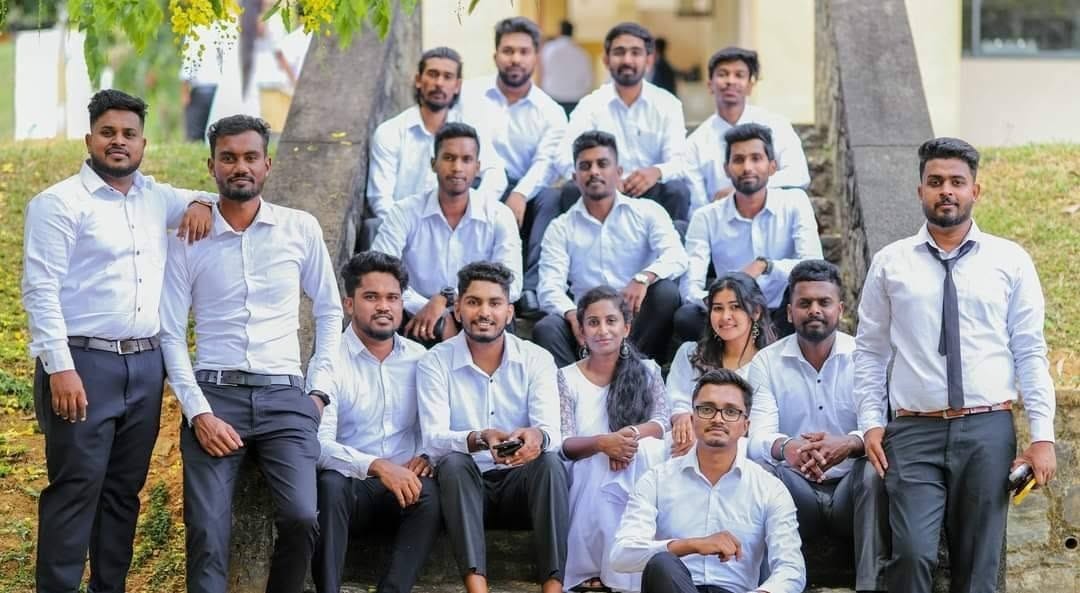
He recalled periods when neither had much money, and Mr. Anojan shared his food anyway.
"He was a good friend who expected nothing in return," he wrote. "He stood by me during difficult times in my life."
Mr. Dilshan said Mr. Anojan excelled at several sports and was particularly good at cricket. They played together on a university team, he said.
He also described a temper. "He was a little quick-tempered," he wrote. "That was all."
"For four years, we - Tamil, Sinhala and Muslim friends - spent our golden days together," he wrote. "There were no divisions over who was Muslim, who was Tamil or who was Sinhala. We were all treated equally. That is the kind of man he was."
Another former Uva Wellassa student, Isuru Senadeera, gave a similar account in Sinhala, in a lighter register.
"Anojan is a good guy," he wrote. "Sometimes he doesn't listen to anyone."
Ask him to bowl, Mr. Senadeera wrote, and he would send the ball down fast. Give him a bat, and he would walk out with his usual swagger, swing hard, hit three or four boundaries and come back.
Mr. Anojan did not speak Sinhala well, Mr. Senadeera said, and got on with people anyway. "He knew how to share things with anyone," he wrote.
A Comment, Then a Prosecution
Mr. Anojan, a Sri Lankan Tamil from the Kalmunai area in eastern Sri Lanka, was working in Saudi Arabia when a Facebook comment attributed to him became the subject of a criminal case. The comment was treated as an insult to the Prophet Muhammad.
His family says he was first sentenced to five years in prison and fined three million Saudi riyals, and that an appeal was filed. The family says Mr. Anojan told them by telephone that the appeal court imposed a death sentence.
Sri Lanka's Foreign Ministry has said it is waiting for the written judgment, which would establish what the Saudi court decided and what legal or diplomatic options remain.
The case has drawn attention from Sri Lankan politicians and activists and prompted calls for the government to seek clemency through diplomatic channels. It has also fed the country's religious divisions, with arguments over the comment, how it reached Saudi authorities, and who is responsible spreading across social media.
Mr. Dilshan wrote that his friend had been deliberately "trapped" by unnamed people. "He may have made a mistake," he wrote. "But today he has been deliberately trapped by certain people. The situation has escalated seriously, and now he is in grave danger."
Mr. Senadeera put the question in different terms: whether words should carry the ultimate punishment.
"What a person says may be right or wrong," he wrote. "But no human being should ever have to pay for words with their life."
"Perhaps the responsibility lies with our own country," he wrote, "which has created circumstances in which young men like Anojan are forced to go and work in countries like Saudi Arabia."
Mr. Dilshan ended his post with a line in English: "A Facebook comment should not silence a human life."