

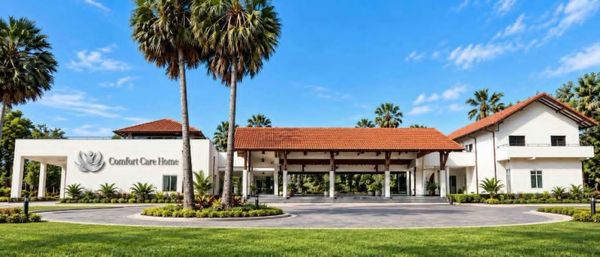
JAFFNA, Sri Lanka — A hospice for people in the last stage of terminal illness opened on Saturday in Sarasalai, near the town of Chavakachcheri in Jaffna District. Its organizers said similar centres already operate in other parts of Sri Lanka, and that this one brings free end-of-life care closer to families in the Northern Province.
The centre, Comfort Care Home, is a nonprofit organization near Kanakanpulyadi Junction. It cost more than 350 million rupees to build, with the money raised from donors in Sri Lanka, Britain, the United States and Canada. It has 20 private rooms, each with an attached bathroom and space for relatives to stay. Patients will not be charged for accommodation, meals, nursing, pain relief, oxygen therapy or essential medicines, the organizers said. About 20 staff members have been hired, including a medical officer, nurses and care workers.
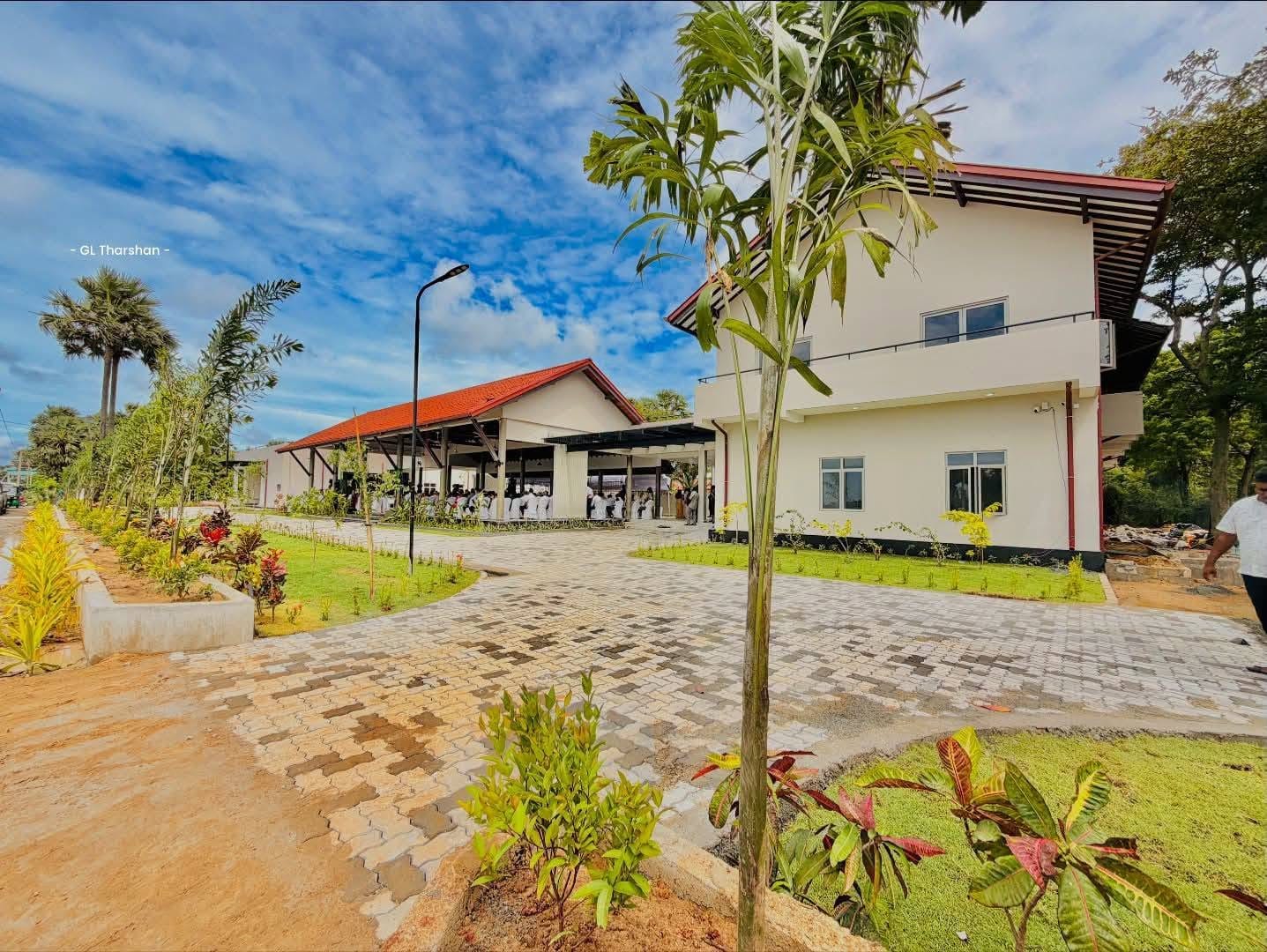
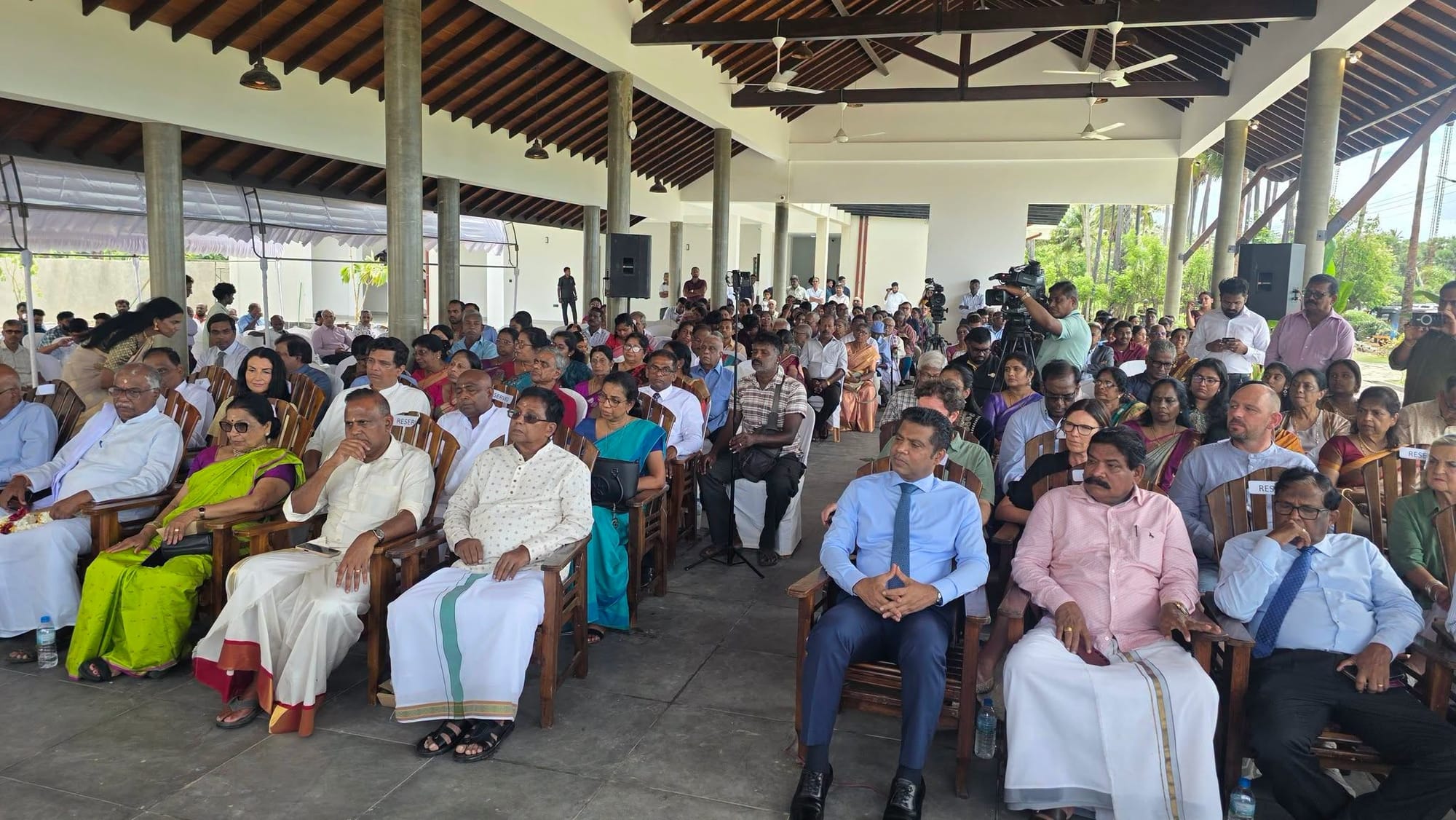
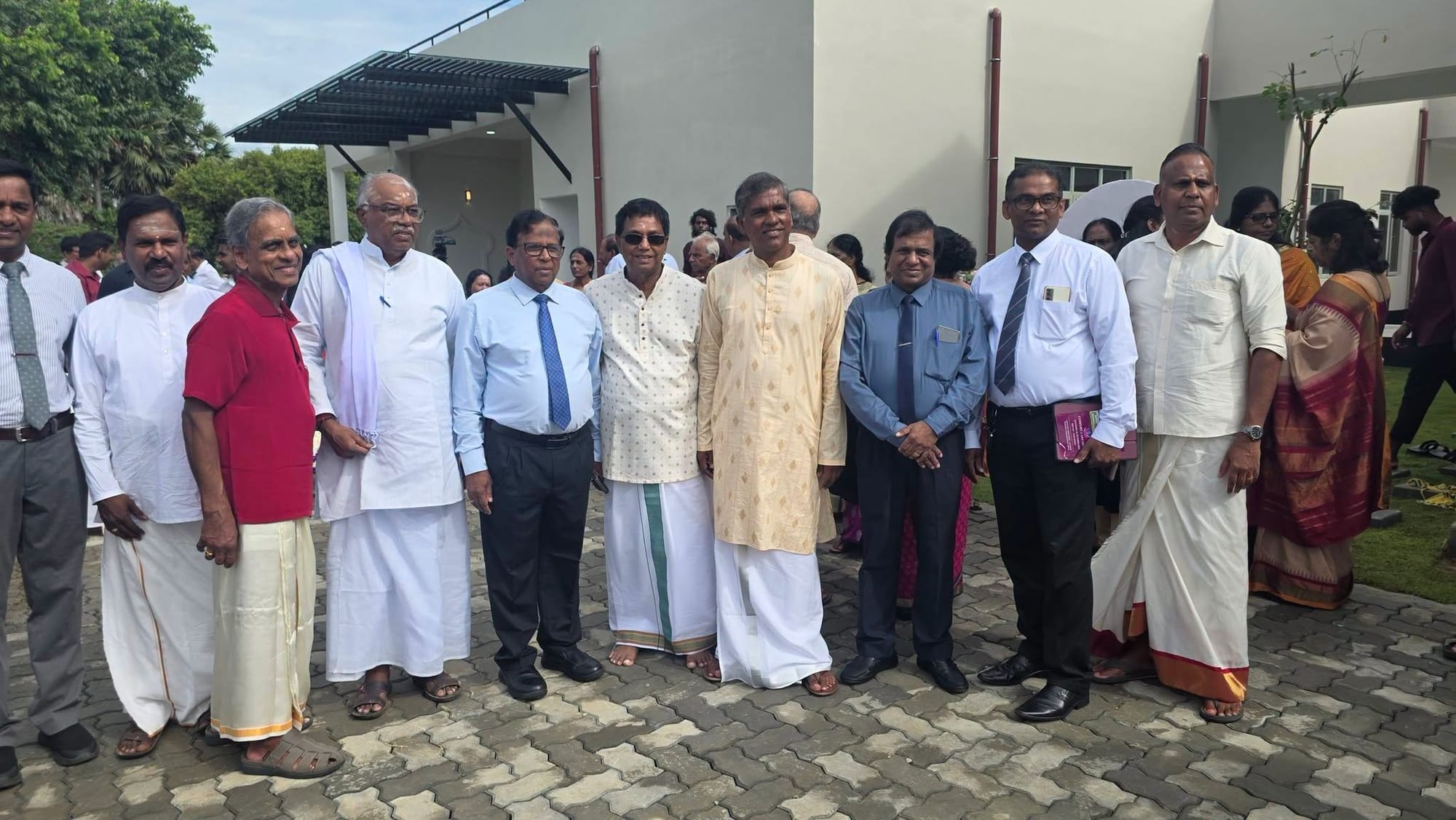
Health and Mass Media Minister Nalinda Jayatissa, a physician, opened the centre at a morning ceremony. Fisheries Minister Ramalingam Chandrasekar and the Northern Province governor, Nagalingam Vethanayahan, attended, as did Jaffna District Secretary M. Piratheepan; Dr. Saman Pathirana, the province’s director of health services; Dr. Thalagala of the Health Ministry’s National Cancer Control Programme; and the dean of the University of Jaffna’s Faculty of Medicine. The listed speakers also included Dr. Aru Thirumurugan, founder of the Sivapoomi Trust, and S. Laleesan, principal of Kopay Training College.
The centre was founded by Dr. K. Devacaanthan, a retired nephrology consultant who lives in the United States and chairs the project, and Kathirgamanathan Balendran, who runs a private palliative care home in Britain. The family of Kanagasabai, a teacher who has since died, donated more than an acre of land for the site. Several donors paid for individual patient rooms.
Two of the district’s senior public health officials sit on the centre’s board of trustees, according to the programme for the opening. Dr. Thangamuthu Sathiyamoorthy, director of the Teaching Hospital Jaffna, is a trustee and the board’s secretary. Dr. A. Ketheswaran, the regional director of health services, is also a trustee. The other trustees include Dr. Varagunan, a palliative care physician in Canada. Kelly Cuggy, who directs and manages a palliative care home in Britain, advises the centre on operations. Mark Penney, principal of Solihull Prep School in Birmingham, England, has raised money for it.
Dr. Sathiyamoorthy wrote on Facebook that his involvement began with a 2021 visit to Mr. Balendran’s hospice in Britain. There, he wrote, he saw how patients near the end of life were cared for, and he asked Mr. Balendran whether a similar free centre could be built in Sri Lanka. Mr. Balendran wanted the same thing, he wrote, and several years of meetings among donors, doctors and government officials followed. “It is a place where care continues even when cure is no longer possible,” Dr. Sathiyamoorthy wrote.
Palliative care is the branch of medicine that treats the pain, breathlessness and distress of serious illness and supports the patient’s family. The World Health Organization describes it as care that improves the quality of life of patients, young and old, and of their families when they face life-threatening illness, and says the problems it treats can be physical, psychosocial or spiritual. It can start at diagnosis and continue while a patient is still receiving treatment meant to cure or control the disease. Hospice care is the form it takes at the end of life, after curative treatment has stopped. Comfort Care Home is a hospice, serving patients with cancer, end-stage organ disease, and other conditions expected to cut their lives short.
The W.H.O. estimates that 56.8 million people need palliative care each year, including 25.7 million in their last year of life. About 14 percent of them receive it. Seventy-eight percent of the people who need it live in low- and middle-income countries. Pain and difficulty breathing are two of the most common and serious symptoms. Most adults who need palliative care have heart and blood vessel disease or cancer, and smaller numbers have chronic lung disease, AIDS or diabetes. The agency expects the need to nearly double by 2060 as populations age and chronic diseases become more common.
Sri Lanka’s population is aging quickly. People aged 60 or older made up 12 percent of the population in the 2012 census, and 18 percent in the 2024 census, and health officials expect the figure to reach about one in four by 2040. Dr. Jayatissa told a W.H.O. regional meeting in October 2025 that almost a quarter of Sri Lankans would be over 60 within a decade.
The country has few hospice beds. Its first hospice, Shantha Sevana, was opened by the Sri Lanka Cancer Society in 1996 with 32 beds for needy patients, offered free. In 2020, the Sri Lanka Palliative Care Association estimated that about 68,000 people in the country needed palliative care, as many as 60 percent of those who die each year. Researchers at the National Cancer Institute in Maharagama wrote that palliative care services had not yet been formally established in Sri Lanka, although the National Health Policy for 2016 to 2025 listed their development as a priority. Their study compared end-of-life outcomes for advanced cancer patients of different incomes. Families who cannot find a hospice bed usually care for patients at home or hire nurses. Few can afford private nursing, and the nurses they hire often have no palliative training. Dr. Samadhi Rajapaksha, founder and president of the Palliative Care Alliance Sri Lanka, was among the speakers listed for Saturday’s ceremony.
The new centre will take referrals from the Teaching Hospital Jaffna, the Base Hospital in Tellippalai and other hospitals in the region, for patients who no longer need intensive hospital treatment. A patient’s doctor must make the referral, and the home’s admissions coordinator decides whether the patient is eligible. The founders said priority would go to patients whom a medical team expects to live less than two months, who have difficulty eating and who need help with daily tasks. They said the centre was not a home for the elderly, and that it would reduce pressure on families and on the intensive care units of government hospitals. Details are available at cch-hospice.com.
At the opening, Dr. Jayatissa said doctors reach a point with diseases such as cancer and end-stage organ failure when they can no longer cure the patient. From then on, he said, the health system’s job is to relieve pain and to give patients and their families comfort and dignity. He said centres like this one could ease the financial and emotional strain on families and let government hospitals spend more of their resources on emergency patients.
He said he hoped the hospice would become a model for others in the country and promised that the Health Ministry would support it. He also asked Sri Lankans living abroad to help fund the government’s primary healthcare program, including its plan to open Arogya Centres across the country. He told the overseas donors that by looking after their homeland they had shown they were true Sri Lankans.
Mr. Vethanayahan, the governor, said that as joint families had given way to nuclear families in the north, looking after older relatives had become much harder. He said centres like this were difficult to build and to run, and praised donors who had left the country but still paid attention to what people at home needed.