

By Asela Kuruluwansha
COLOMBO, Sri Lanka — Tuberculosis is spreading rapidly within the Colombo Municipal Council area, where more than 1,000 cases have been reported annually in recent years, Sri Lanka's health minister said.
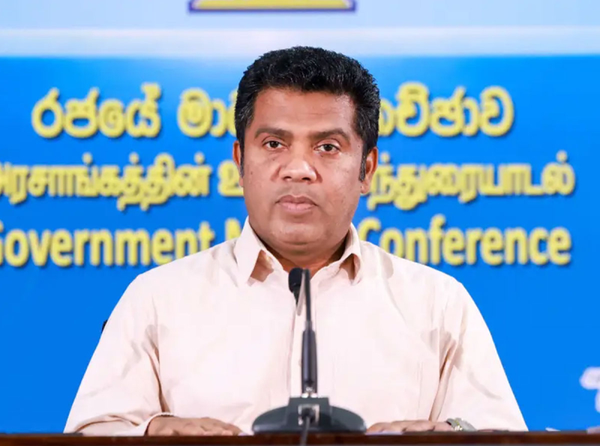
Dr. Nalinda Jayatissa, the Minister of Health and Mass Media, said a quarter of all tuberculosis cases reported in Colombo District were concentrated in densely populated areas within the municipal council's limits.
Health Ministry records show that 871 cases were reported within Colombo's municipal boundaries in 2019. The number reached its highest level in 2024, at 1,064, an increase of about 22 percent over five years.
Across Colombo District, which includes the capital and its surrounding suburbs, more than 2,000 cases are reported each year, according to the figures cited by the minister.
Dr. Jayatissa also said the government had bought tuberculosis medicines worth 52 million rupees, about $160,000, from India under emergency procurement procedures. He said the medicines had already been distributed to hospitals and clinics.
He did not say which drugs were purchased, in what quantities, or what led the government to buy them on an emergency basis.
The minister did not release a year-by-year breakdown of cases. The figures he cited also do not show whether the rise reflects increased transmission or improvements in testing, detection and reporting.
Tuberculosis is a bacterial infection caused by Mycobacterium tuberculosis that mainly affects the lungs. It spreads through the air when a person with active pulmonary infection coughs, speaks or sings, and the risk of transmission is higher in crowded, poorly ventilated settings. The disease is preventable and curable, though untreated infections can cause serious illness and death.
Treatment requires patients to take a combination of antibiotics over several months. Interruptions can lead to treatment failure and the emergence of drug-resistant strains, which makes a steady supply of medicines central to controlling the disease.