
By Aruliniyan Mahalingam
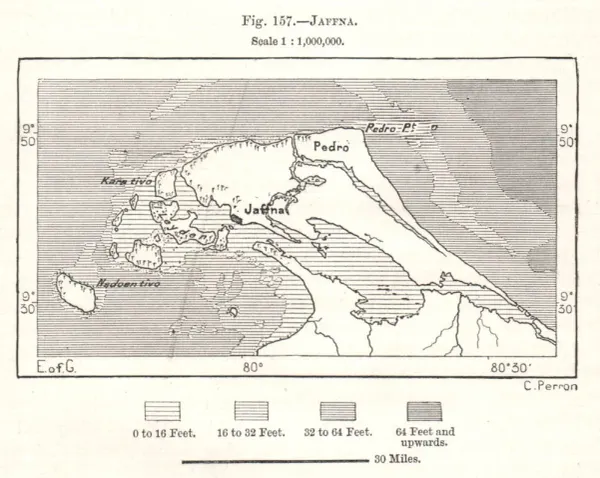
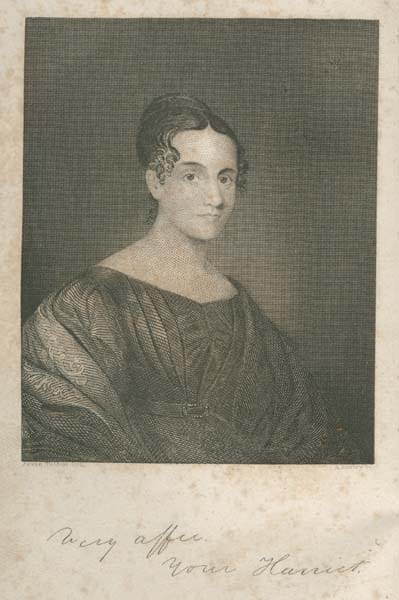
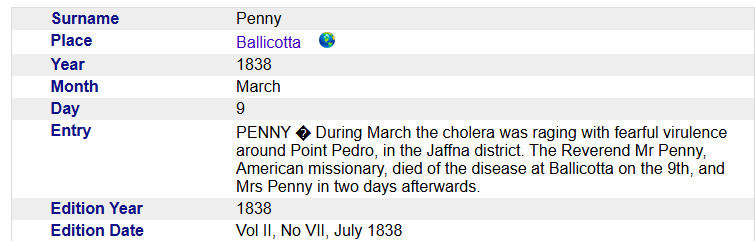
JAFFNA, Sri Lanka — On 27 November 1825, cholera killed two small girls at the American mission at Uduvil, north of Jaffna town. Harriet Maria Winslow was three years and nine months old. Sarah Jane Spaulding was five. They died on the same day, in the same place, and a tablet at the mission church commemorates the Winslow child and her two siblings. Cholera returned to the peninsula in 1838. The Rev. John M. S. Perry, a missionary of the American Board, died of it on 10 March, aged 32. His wife, Harriet Joanna, died three days later, aged 22. Their only daughter caught the disease and recovered. At Point Pedro, on the northern coast, deaths for a time reached 35 a day.
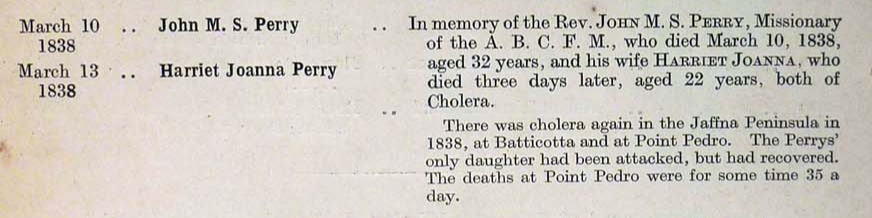
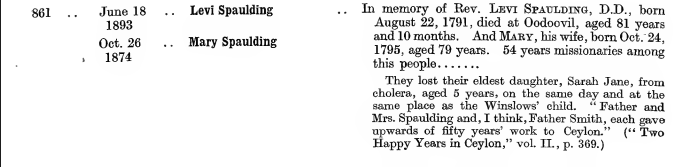
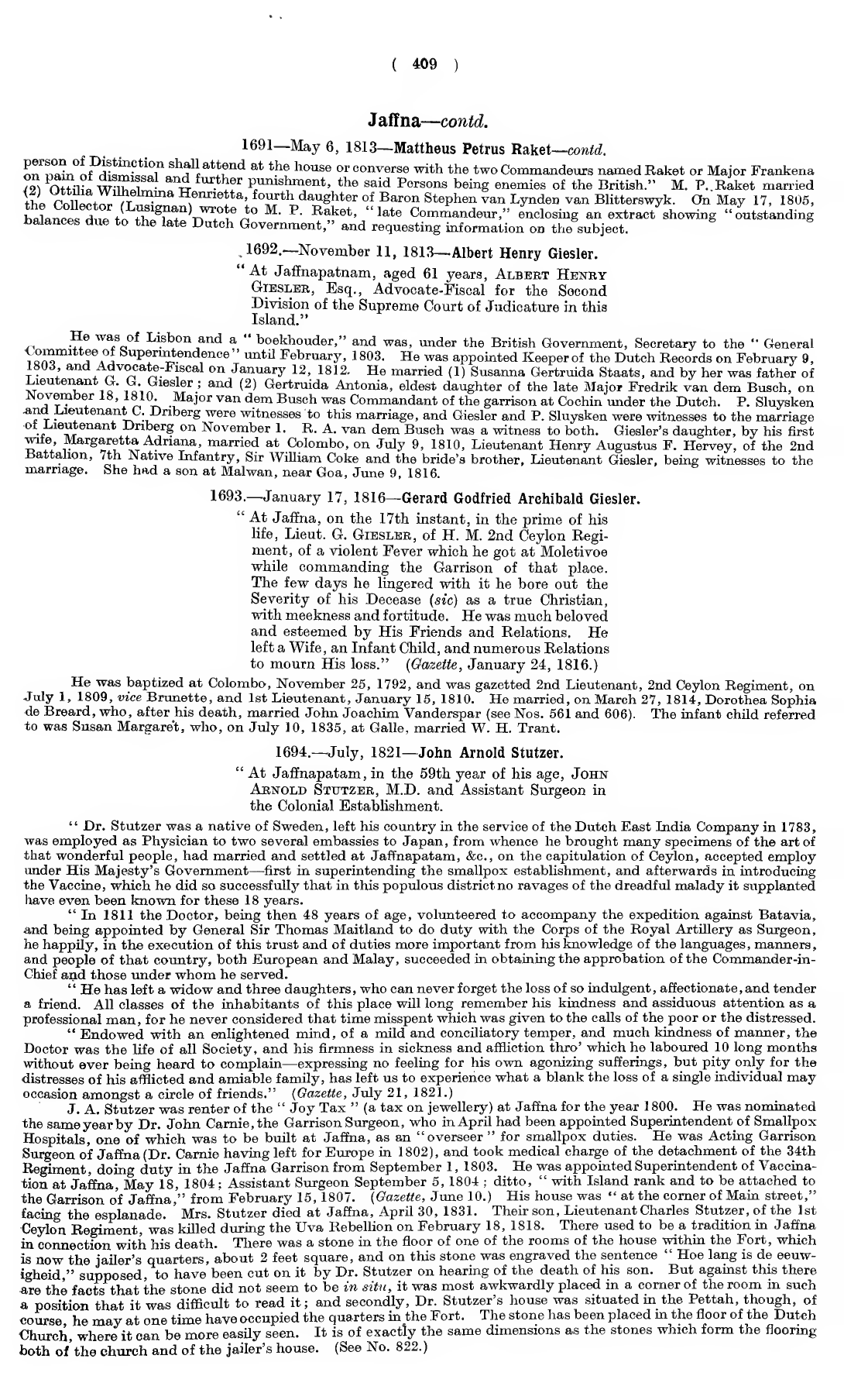
These details survive because J. Penry Lewis, a retired member of the Ceylon Civil Service, recorded and annotated the inscriptions at Uduvil for his List of Inscriptions on Tombstones and Monuments in Ceylon, published by the government printer in Colombo in 1913. There is no such record for any of the 574 people excavated from a trench at the Sittupatti Hindu cemetery at Chemmani, on the eastern edge of Jaffna. None of them has been identified or dated, and no cause of death has been established for any of them.
The archaeologists’ report on that excavation has nonetheless drawn attention to the kind of disease that killed the Winslow and Spaulding children. The third interim report, prepared for the Jaffna Magistrate’s Court by Professor Raj Somadeva, who led the excavation, and archaeologist Anusha Wanninayake, notes that the excavation yielded relatively few objects with the dead. “If the concentration of burials resulted from an epidemic or another form of natural catastrophe,” the authors write, “a limited assemblage of associated material culture would not necessarily be unexpected.” In such circumstances, they add, “the primary concern may have been the rapid disposal of the deceased rather than the deposition of substantial material offerings or personal belongings.”
The authors put forward an epidemic as one possible reason for the small number of objects in the graves. They do not say one occurred. The report names no outbreak, cites no historical record of one, and presents no evidence of disease from the skeletons. In the next sentence the authors caution that the scarcity of artefacts “should not be regarded as conclusive evidence for any burial context,” and they describe their observations as provisional. The report does not mention any of the epidemics or pandemics that reached Jaffna over the past two centuries.
Medical and archaeological specialists who spoke to Jaffna Monitor said that history may help explain what was found at Chemmani. It is extensive. Colonial medical officers, the Government Agents of the Northern Province, missionaries and, later, demographers recorded when the outbreaks arrived, how they spread and, in some years, how many people died.
Cholera
The Jaffna peninsula lies about 30 kilometres across the Palk Strait from the coast of Tamil Nadu. For much of the 19th century, labourers recruited in South India for the coffee estates of the central highlands landed at Mannar or on the northern coast and walked south through the Vanni along what officials called the central road.
Cholera came by the same route. Colonial and later accounts date its first appearance in Ceylon to 1818 or 1819, in the north, shortly after the first cholera pandemic broke out in Bengal. Lewis gives 1819. In 1871, Ceylon’s Principal Civil Medical Officer wrote to the Sanitary Commissioner of Madras that the Northern Province was the one part of the island where cholera habitually took hold. When the disease prevailed in South India, he wrote, it seldom failed to establish itself on the Jaffna peninsula and at Mannar, and from there it travelled with the labourers into the interior. Colonial correspondence of the period records the Colonial Surgeon of Jaffna travelling down the central road to trace an outbreak’s path.
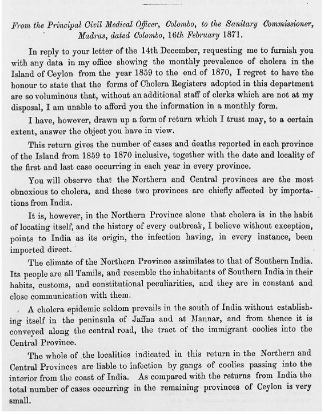
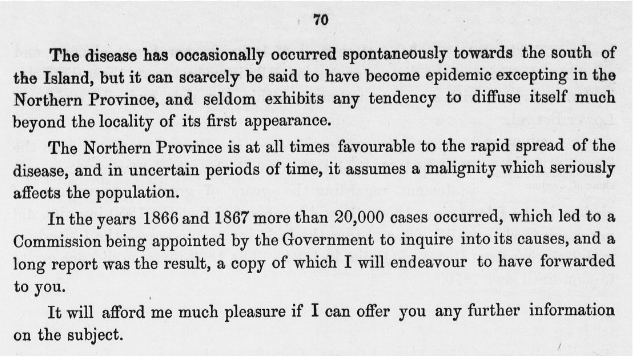
The history of cholera in Jaffna can be traced almost year by year through the 19th century. The disease reached the American mission at Uduvil in 1825 and returned in 1838, striking Batticotta and Point Pedro. Another outbreak followed in 1846, when the American physician Nathan Ward treated cholera patients at the Batticotta seminary, while labourers travelling south died along the way.
In July 1849, The Ceylon Times reported the sudden death of Robert William Langslow, the deputy Queen’s Advocate for the Northern Circuit. He had dined in Jaffna in apparently perfect health, only to be stricken with cholera that night and die within hours.
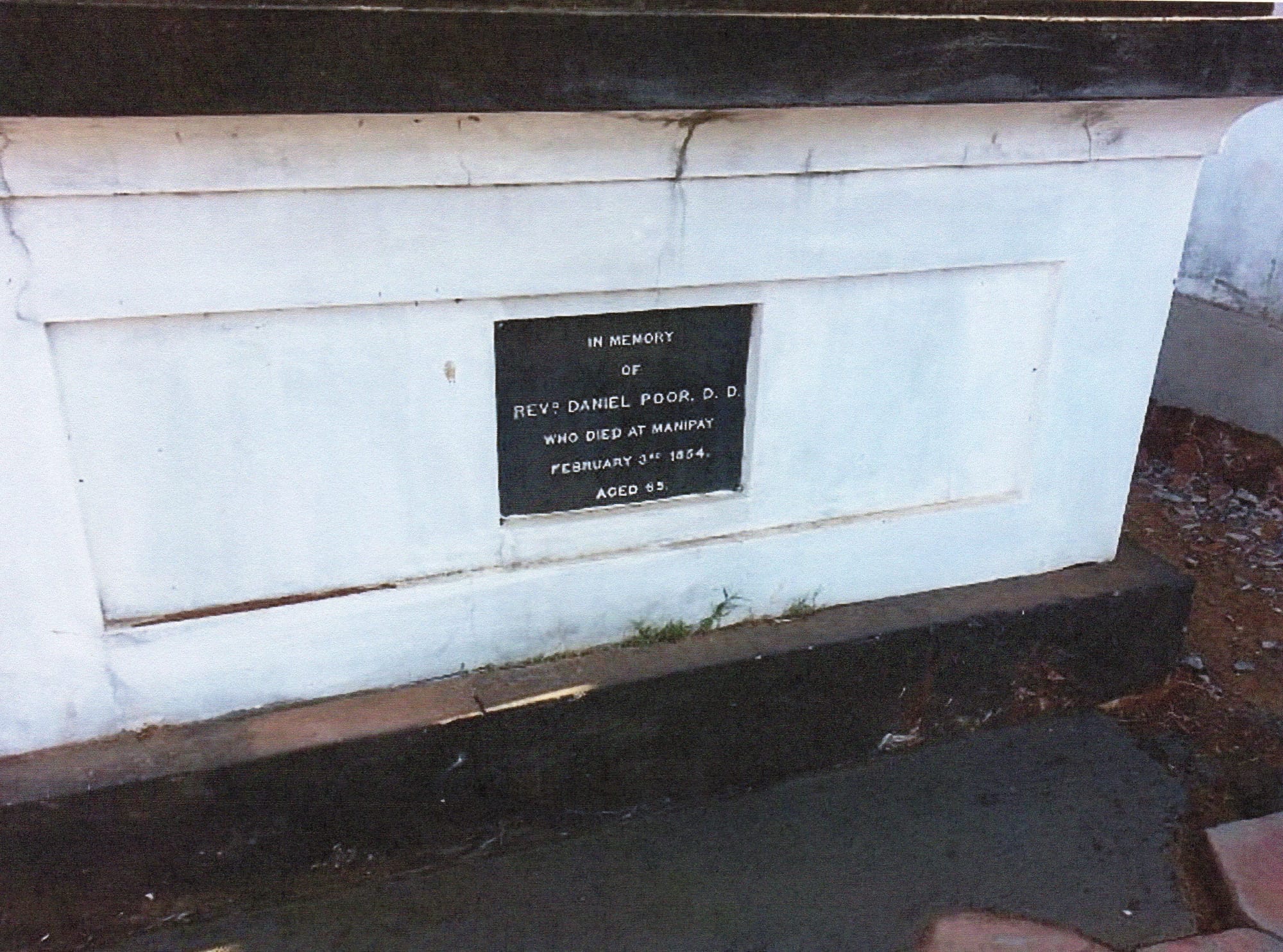
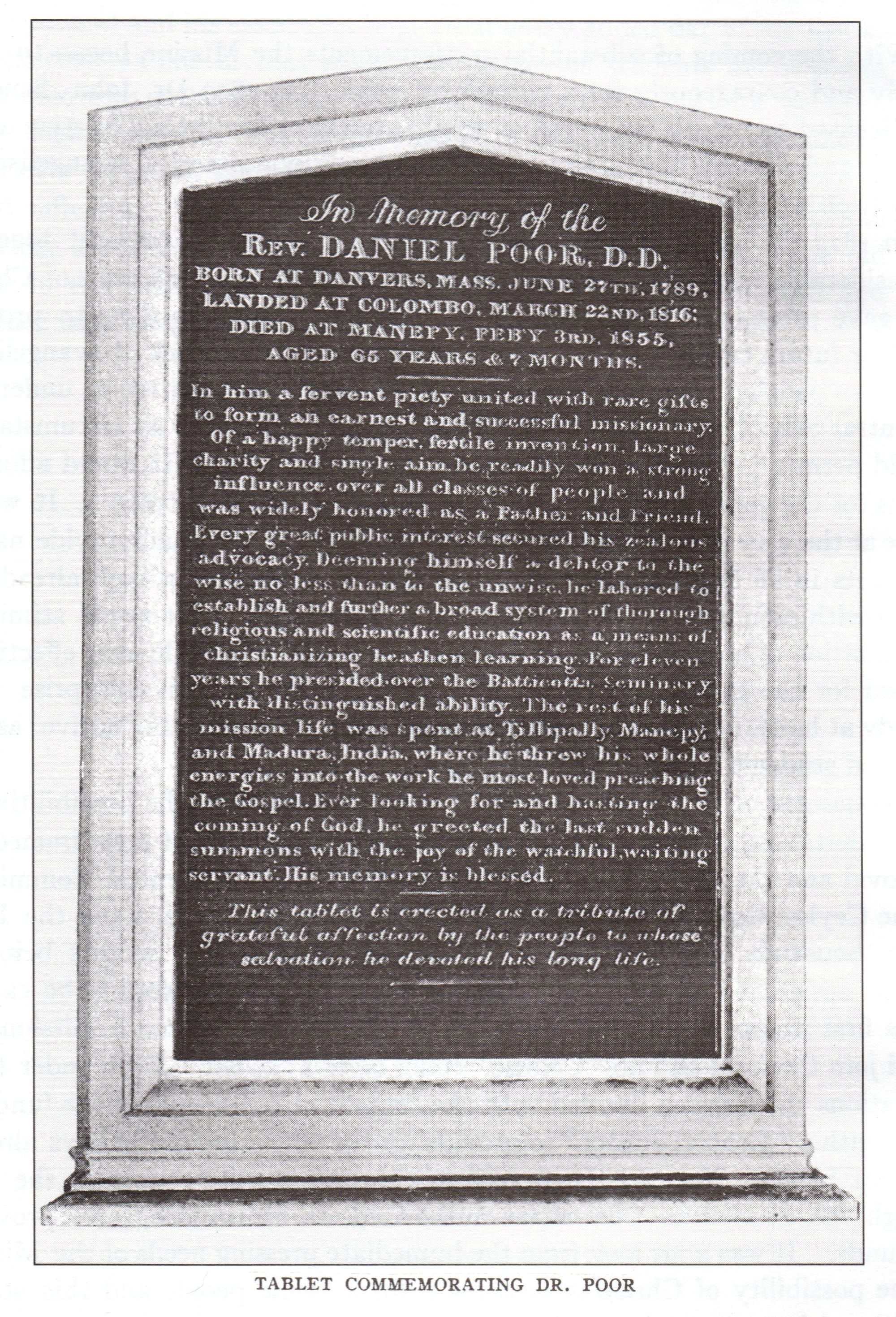
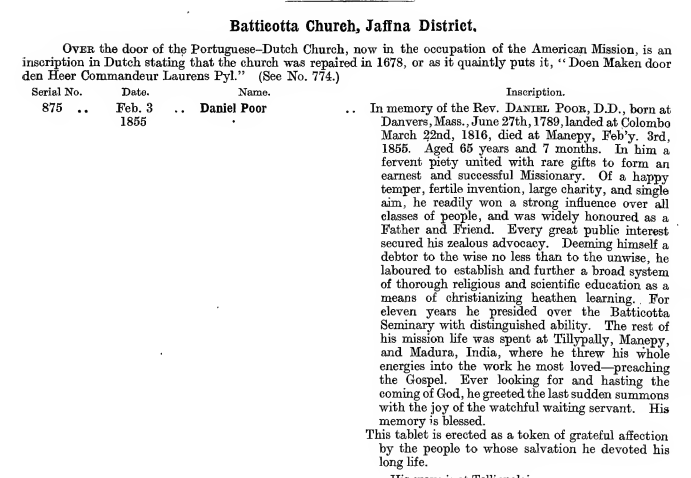
The disease returned with particular ferocity in 1855, claiming among its victims Daniel Poor, the American missionary who had founded Jaffna’s first English school, the Common Free School, now known as Union College, Tellippalai. Poor died of cholera at Manipay that year.
In November 1866, cholera claimed another missionary, John Mitchell, a 27-year-old Wesleyan who died in Jaffna while caring for those afflicted by the disease. His memorial in the Pettah chapel records that he died “whilst ministering to the wants of the afflicted.”
The historian S. A. Meegama, in his study of disease and the state in colonial Sri Lanka, records 17 cholera deaths in Jaffna in 1845 and 6,125 in 1855. He also records that in one early outbreak a sixth of the population of the Mannar district died.
Classical cholera kills through dehydration, sometimes within hours, and it strikes people of every age. The sources examined for this article do not describe how Jaffna’s dead were handled during these outbreaks. By the end of the century the colonial government had taken legal powers over the matter. The Quarantine and Prevention of Diseases Ordinance, No. 3 of 1897, allowed it to prescribe the mode of burial or cremation for anyone who died of an infectious disease. Whether such regulations were applied in Jaffna, and whether they sent the dead of an outbreak to particular grounds, would be set down in provincial files.
Smallpox
Smallpox reached Jaffna earlier. Historians estimate that it killed about a third of those it infected, and the historian T. M. Zameer-Careem has argued that it was never endemic in Ceylon but was repeatedly brought in, chiefly from India. Portuguese-era sources describe an epidemic of smallpox and fever in the Fort of Jaffna in 1621 that left villages on the peninsula deserted. In 1648, a Jesuit priest reported that hundreds of fishermen on Mannar island had died of the disease within a few days.
In 1800, under Governor Frederick North, the British opened smallpox hospitals in Trincomalee, Colombo, Jaffna and Galle. That year the garrison surgeon named John Arnold Stutzer, a Swedish physician who had served the Dutch East India Company and settled in Jaffna, as overseer for smallpox duties there. A quarter of the patients admitted to the hospitals between 1800 and 1802 died.
Vaccination reached the island in August 1802 and met resistance in Jaffna. In March 1804, after people on the peninsula had been vaccinated with contaminated material, many died in a smallpox outbreak and the town turned against the procedure. Thomas Christie, the island’s chief medical officer, spent nearly a month in Jaffna restoring confidence in it. A Dutch officer, Lieutenant Theil, allowed his two vaccinated children to be deliberately inoculated with smallpox to show that the vaccine protected them. On 15 April, Susanna Drieberg, the wife of a Jaffna officer, wrote to Christie in French about vaccinating her four children. On 18 May, Stutzer was appointed superintendent of vaccination at Jaffna. In the last two months of 1809, about 1,830 people were vaccinated in the district, among them Brahmins who had earlier refused. When Stutzer died in 1821, the government Gazette said smallpox had not ravaged the district for 18 years. Compulsory domestic quarantine, introduced in 1837, met considerable opposition in Colombo and Jaffna.
Smallpox continued to arrive by sea. An epidemic in 1884 reduced the populations of Mandaitivu and Velanai, islands off the Jaffna coast, and Mandaitivu was later used to quarantine patients during outbreaks in the late 19th century. Another quarantine station operated at Hammenheil, near Kayts. A paper in the Ceylon Medical Journal described an outbreak in 1958 on Leyden Island, one of the Jaffna islands known by a Dutch name. Ceylon’s last confirmed case, in December 1967, was a 47-year-old sportsman who had returned from a tour of Madras, and the country became the first in South Asia to eliminate the disease.
The 1918 influenza
The deadliest year in the island’s recorded history came with the influenza pandemic of 1918. In the 18 preceding years, no more than 256 deaths had been registered from influenza in any single year. In 1918 the figure was 19,102, almost all of them in the last three months.
The virus reached the north by sea. In their study of Sri Lanka’s registration and census data, the demographers Christopher Langford and Pamela Storey found that mortality first rose in two groups of districts, one around Colombo and one in the north around Mannar and Mullaittivu. They concluded that the disease probably entered through Colombo and through Talaimannar, the ferry landing on Mannar island that linked Ceylon’s railway with India’s. In 1918 nearly 200,000 people passed through the quarantine camp at Mandapam, on the Indian side, travelling to or from Ceylon by that route.
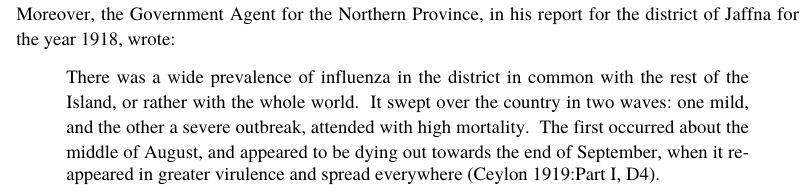
Jaffna was struck a few weeks later. The Government Agent for the Northern Province, reporting on the district for 1918, wrote that influenza had swept the country “in two waves: one mild, and the other a severe outbreak, attended with high mortality.” The first wave began about the middle of August and seemed to be subsiding by the end of September, “when it reappeared in greater virulence and spread everywhere.” In October 1918 the Jaffna district registered about three times its usual number of deaths for the month. In the last three months of the year it registered 2,558 deaths from influenza or pneumonia, and 1,453 more in 1919.
By the island’s measure, Jaffna was lightly affected. From October 1918 to the end of 1919, its excess mortality was the lowest of Ceylon’s 21 districts, and Langford and Storey found no third wave there. Across the island, the Registrar-General attributed 41,916 deaths to influenza in 1918 and 1919, excluding pneumonia. Langford and Storey estimated about 50,000 deaths, or 1.1 per cent of the population, and calculated that life expectancy at birth fell from 31.5 years to 26.7. A later study by Siddharth Chandra and Dilshani Sarathchandra, which also counted births lost to the pandemic, put the island’s total population loss at about 307,000.
As elsewhere in the world, influenza in Ceylon raised death rates most sharply, in proportion, among young adults, men aged 20 to 35 and women aged 15 to 35. Women died at higher rates than men. Langford and Storey also found that the largest absolute increases in deaths came among infants and children under five, whose ordinary mortality was already high. The additional deaths among children aged one to four amounted to more than half of those among everyone aged 15 to 34.
Malaria and typhoid
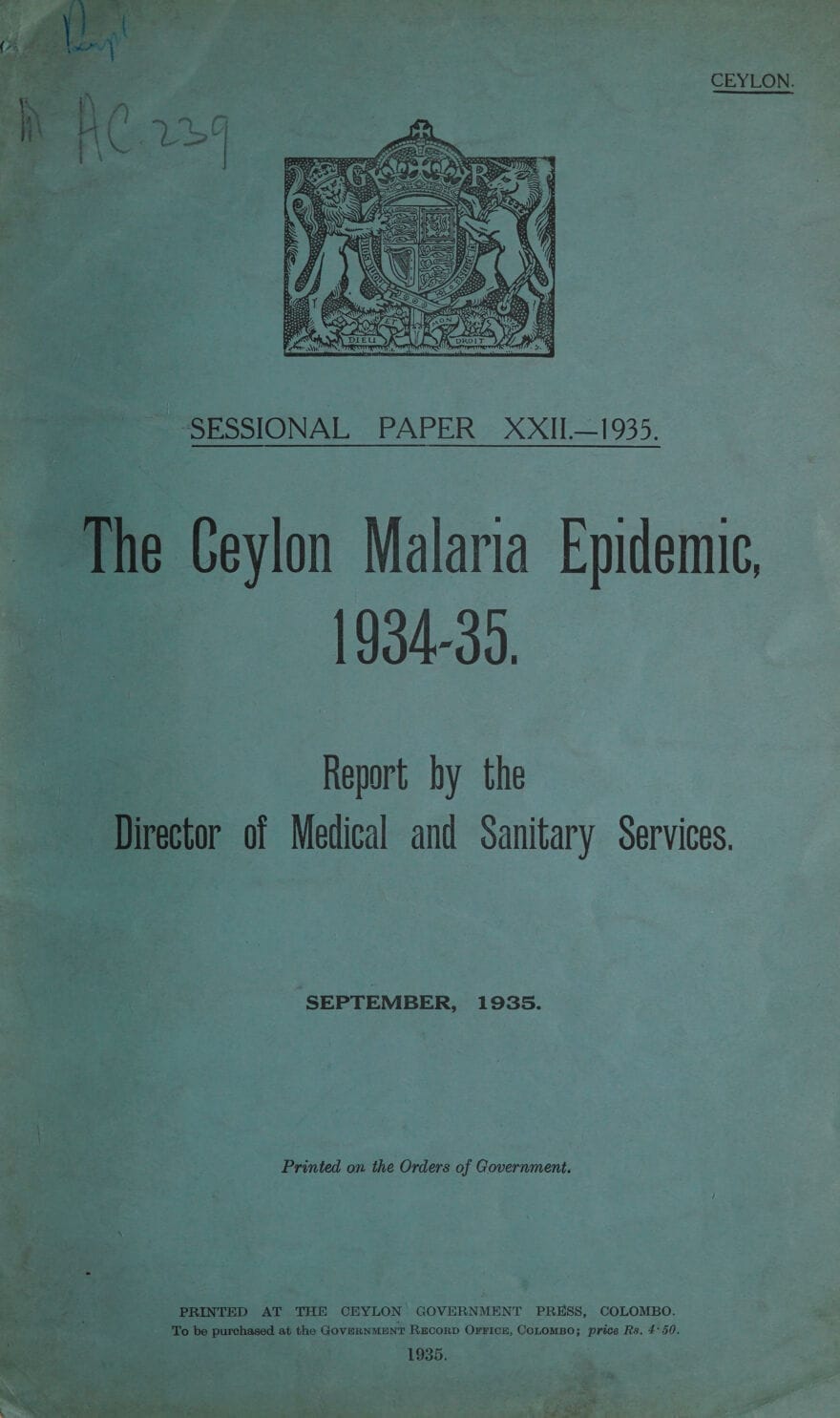
Malaria was endemic across much of the dry zone, including Jaffna, and it killed steadily, with infants among its principal victims. In 1920 the colonial government registered 12,384 deaths from what it called “infantile convulsions” and attributed many of them to malaria. The great malaria epidemic of 1934-35, which followed drought and crop failure and caused about 80,000 excess deaths, fell mainly on the wet and intermediate zones of the south-west rather than on Jaffna. Insecticide spraying after the Second World War cut malaria cases from about 92,000 in 1953 to 17 in 1963.

Typhoid, then called enteric fever, was another regular cause of death. Lewis records that Kenneth Perks, the police magistrate of Jaffna, died of it there in 1909, two years after joining the civil service.
After 1950
Outbreaks in the second half of the century were smaller, and one of them began in Jaffna. In October 1973, El Tor cholera, the strain behind the seventh cholera pandemic, was first detected in Sri Lanka on the peninsula. A study in the Ceylon Medical Journal examined carriers at Kondavil North, a few kilometres from Jaffna town. The outbreak spread to Vavuniya and then to Colombo, and the Jaffna district recorded 671 cases. El Tor infections are generally milder than classical cholera and, with treatment, rarely fatal. Cholera recurred nationally in 1981, 1988, 1991-92 and 1997. In 2002 an outbreak on the peninsula produced about 30 confirmed cases and three deaths.
Malaria also returned, in epidemic waves in the late 1960s, the mid-1970s, the late 1980s and the early 1990s. During the war years the Northern and Eastern districts accounted for about 70 per cent of the island’s cases.
The missing dates
The report’s preliminary field estimates classify 41 per cent of the individuals at Chemmani as children and 22 per cent as infants, about 360 people in all. Several of the outbreaks described here killed young children in large numbers, among them smallpox among the unvaccinated, malaria and the 1918 influenza. Ordinary disease also killed many children in every year of the period.
The report does not say when any of the people at Sittupatti were buried. Until the remains are dated, no outbreak in Jaffna’s history can be connected to the graves. Dating the skeletons and examining the cemetery’s burial records would show whether any of the burials fall in an epidemic year.