
Professor Mahesh Nirmalan MD, FRCA, PhD, FFICM, University of Manchester, United Kingdom
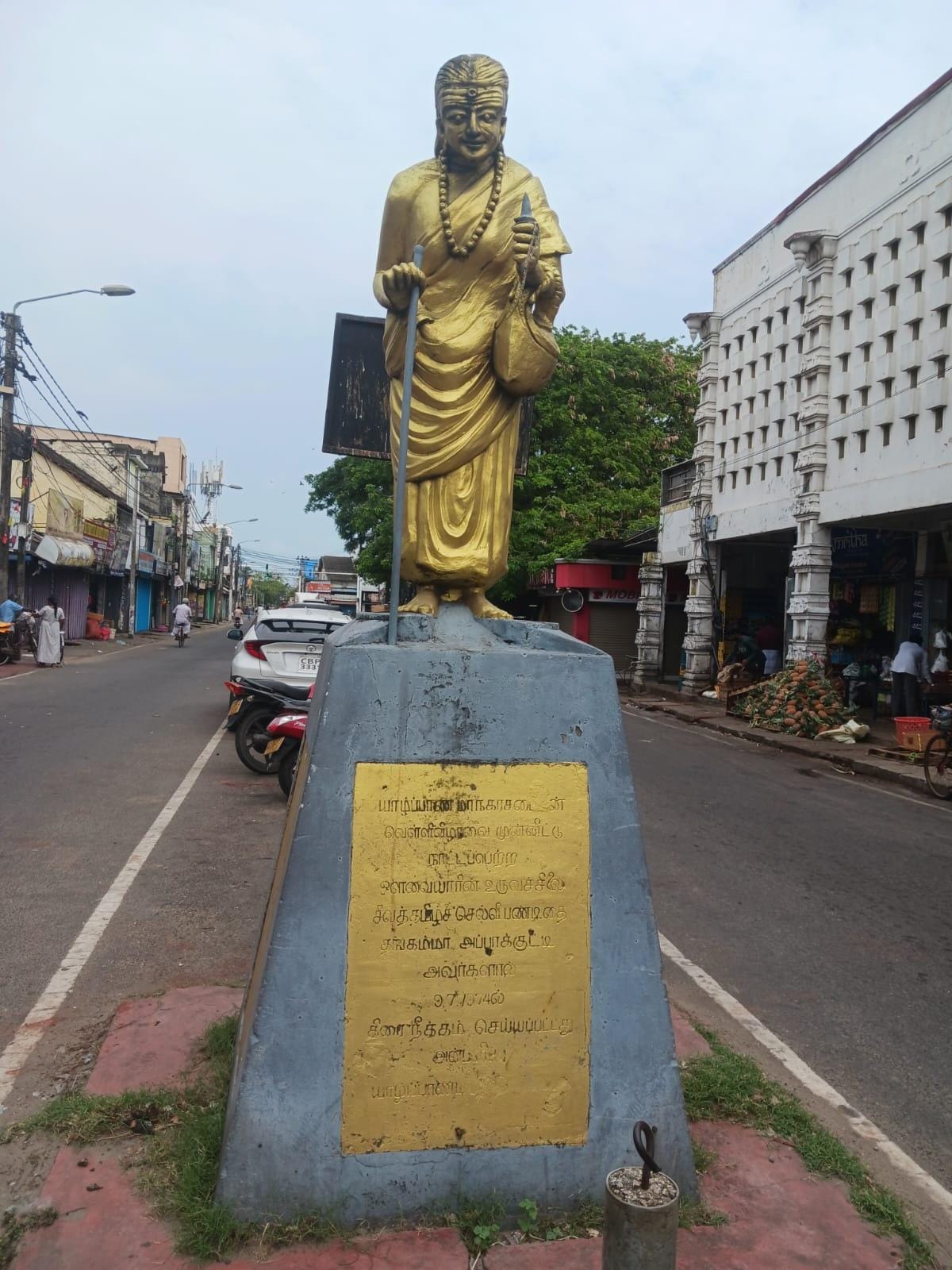
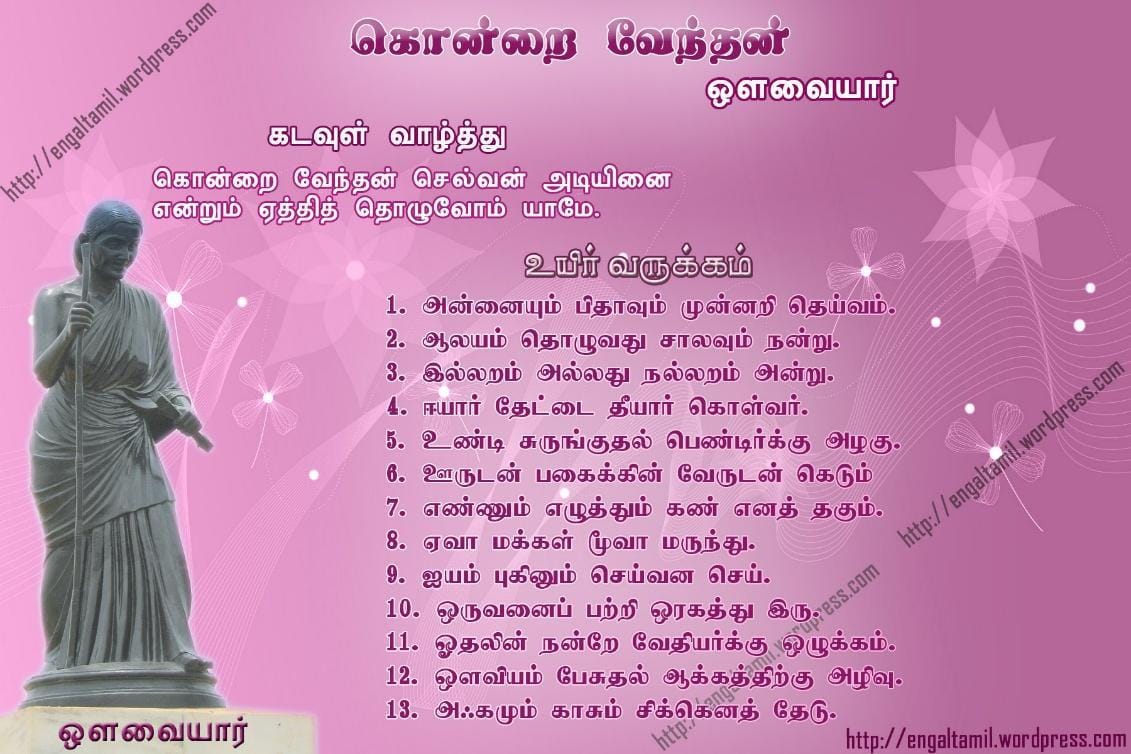
“திரை கடல் ஓடியும் திரவியம் தேடு” is an age-old saying by the Tamil poet Avvaiyar (ஔவையார்) in the collection of poetic moral statements known as “Konrai Venthan” (கொன்றை வேந்தன்). Directly translated it reads “Acquire wealth even if you have to cross the stormy seas”.
As such the desire to travel to distant lands seeking prosperity is very much part of the South Asian psyche. It was this spirit that drove the Pallava and Chola emperors to seek, conquer and trade with new lands in the Far East leaving behind lasting legacies in countries such as Malaysia, Singapore, Cambodia, Thailand, Java and Sumatra. In the colonial and post-colonial periods the trend continued unabated with many from the region moving overseas in pursuit of work, wealth and better living standards. The work ethos of these people made them the “preferred immigrants” to the colonial masters prioritising loyalty, obedience and productivity.
The ‘Jaffna man’ of the 19th and early 20th centuries perhaps fitted this prototype perfectly. The “Malayan pensioners” were a special category of people who were a common sight across the Jaffna peninsula In the 60s and 70s who, having completed their assignments in colonial Malaysia, returned to Jaffna to spend their retirement in comfort re-establishing connections with their roots. Their relative wealth made them prominent personalities in their villages and towns. The author’s grandfather belonged to this cohort who – having returned from Malaysia in the late 40s, spent his final few decades spreading the message of ‘Advaita Vedantha’ to the people of Karainagar – his native village, mostly through a network of fellow Malayan Pensioners. The hall mark of this generation of fortune seekers was that, despite their adventures their heart and soul were rooted in their native lands to which they remained unquestionably loyal.
Emigration from Sri Lanka accelerated in the post-independence period driven by this inherent desire for fortune seeking and a new set of imperatives imposed by the changing political landscape. The recurrent cycles of political violence of 1958, 1970, 1977, 1981, 1983 and 1987 to 1989 and the protracted war of the 80s – 2009 were major catalysts for the largest movement of Sri Lankans - of all shades, during the past five decades. This time however, countries in Western Europe, North America and Australasia were the predominant recipients of this surging tide of humanity. Estimates in 2024 suggest that close to 1.5 million Sri Lankans may have emigrated during this period due to the civil war and associated collateral violence and persecution – real or perceived. This estimate does not include the migrant workers in West Asia who form an important sub section of the global Sri Lankan diaspora and face/present unique - albeit different, set of challenges not covered in this article. The total Sri Lankan diaspora may currently stand around 2 million (excluding the migrant workers in West Asia). This mass exodus resulted in the formation of a significant global Sri Lankan diaspora in countries such as Canada, the UK, Germany, USA, Australia and India. This new generation of diaspora, particularly those in Canada and Europe, has now established a significant presence in their adopted homes through professional and fiscal success.
Positive Impacts on Host Countries:
Economic Entrepreneurship & Labour: There is no doubt that the Sri Lankan diaspora has made significant contributions to local economies wherever they were. Unverifiable estimates suggest that the Tamil diaspora alone may be managing over $100 billion (USD) in global assets. In Canada and in Europe, Sri Lankans are known for running successful businesses including restaurants, supermarkets, nursing homes and real estate, while also contributing to the labor force in sectors like security, care and transportation. In Europe, they have established tens of thousands of small and medium-sized businesses, including grocery stores, nursing homes and specialized shops.
Cultural Enrichment & Integration: Sri Lankan communities have enriched the multicultural mosaic in cities like Toronto, London, Paris and Sydney through cultural activities, professional associations, sporting events, temple building, and language education.
Professional Advancement: High priority given to education has resulted in the presence of professionals of Srilankan heritage in fields such as medicine, engineering, accounting, and academia in disproportionately large numbers. This academic/professional success and the consequent upward social mobility is most striking amongst the children of parents who arrived in the 80s and 90s as refugees with no social capital. In this respect the achievements of the Sri Lankan diaspora stands out from immigrants from other comparable countries in the Global South.
Political Mobilization: Sri Lankan diaspora organizations in North America (Canada in particular) and Europe (UK in particular) have engaged actively with local politics to promote human rights, justice, and accountability following the Sri Lankan civil war, often influencing foreign policy of their host nations. Whilst Tamil organisations have been more visible, other communities too have lobbied public opinions whenever circumstances demanded. The Prime Ministers of UK and Canada now release special messages to mark cultural events such as the ‘Vesak’ or ‘Thai Pongal’, providing a measure of the influence the Sri Lankan diaspora wields amongst the political elites. The political parties in any democracy will always respond to the power of the ‘Block vote’ immigrant communities bring to the table. Therefore leaders in western democracies have been more than willing to engage in issues in distant lands in order to appease these ‘block voters’
Negative Impacts in Host countries:
Imported Conflict & Political Tension: The diaspora's intense focus on homeland politics has sometimes imported regional tensions into host countries, leading to public protests, disruption and disagreements between groups. This has in many instances spilled over as street violence and other forms of crime (such as disruption of traffic, credit card fraud, extortion, people-smuggling, gun-running etc.) resulting in considerable challenges in the sphere of law and order. Due to the militant sectarian elements within the diaspora, some members have faced surveillance, and the community has dealt with stigmatization and radicalization in the wake of the 2009 conflict, which complicates integration.
Increased disease burden and demands on support services: The legacy of trauma, war, displacement and cultural maladjustment has created long-term mental health challenges within some sub-cohorts, with many experiencing a sense of "collective numbness" or profound loss that affects individual and community well-being. These psychological factors when coupled with the genetic/ lifestyle associated predisposition to chronic physical ailments (such as diabetes, hypertension, metabolic syndrome) may contribute to added disease burden in the community and perhaps a disproportionate demand for public services
Parallel Lives: Despite achieving high levels of professional and economic success, many Sri Lankan immigrants lead "parallel lives" that remain largely disconnected from mainstream society. Strong emotional, financial, and political connections to Sri Lanka mean we are often "living there while being here". The creation of extensive, independent institutional networks such as media outlets, weekend language/religious schools and community centers ensures that life is internalised with very little cross fertilisation with cultures across ethnic divides. This, while keeping the community cohesive, also creates insular social bubbles that act as barriers to integration. Clustering along the lines of political loyalty (Sinhala Vs Tamil), regional, religious and even caste differences contributed to sub-networks breeding social tensions that are alien to the host countries.
Cultural imposition: Sinhala and Tamil cultures are rich as well as ancient. This antiquity breeds pride amongst people when it comes to observing their cultural traditions. Many members of the diaspora therefore fervently adhere to these practices even in public places with noise levels that may fall within the threshold of being intrusive. Traditional wind and percussion instruments (traditionally performed in large open spaces) being performed in small enclosed spaces and/or religious observations along busy public roads - frequently blocking traffic, are examples where one’s respect to tradition may fall within the remit of cultural imposition for those not familiar with such practices
Impact in Sri Lanka:
The Sri Lankan diaspora has also had a profound, multifaceted, and often controversial impact in Sri Lanka, ranging from being a major funding source for post-war reconstruction to an influential, yet sometimes divisive, voice in the post-war political landscape.
Positive Impacts:
Diaspora remittances are a crucial economic lifeline, supporting thousands of families in the country. Post-2009, many have invested in small-scale businesses, agriculture, recreation and housing, contributing to the badly needed economic revival. Rebuilding of schools, places of worship, museums, literary organisations, and the revival of performance arts have been supported extensively through careful investments by the diaspora - Sinhala and Tamil. For example, the ‘Noolaham’ Foundation – conceived and funded almost exclusively by members of the diaspora, has successfully archived over 6.5 million pages of electronic records (180,000+ Documents) including books, newspapers, magazines and oral histories that are part of the Tamil community’s collective history.

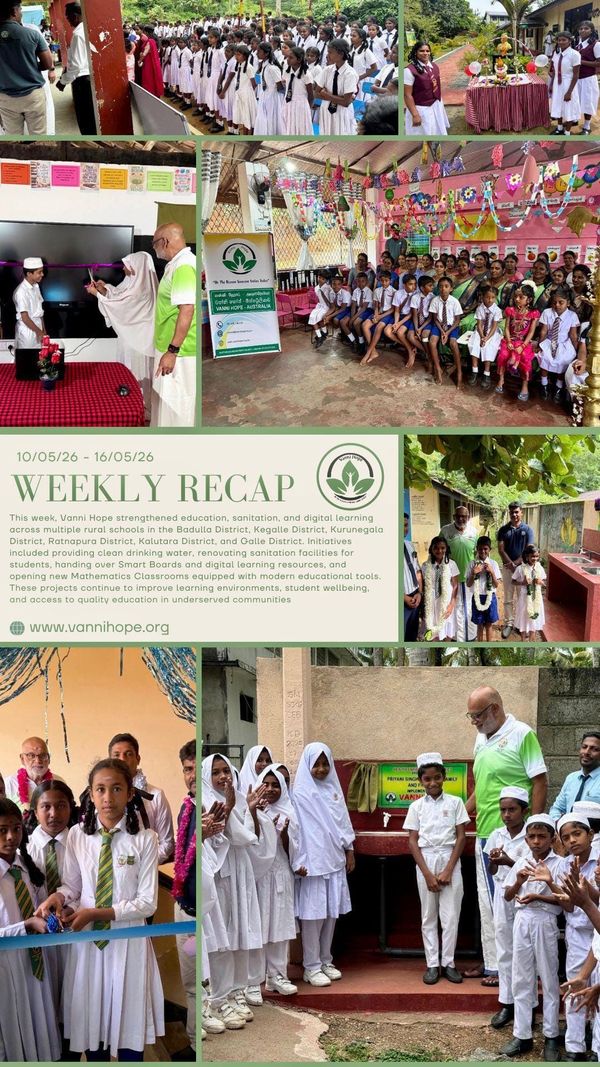
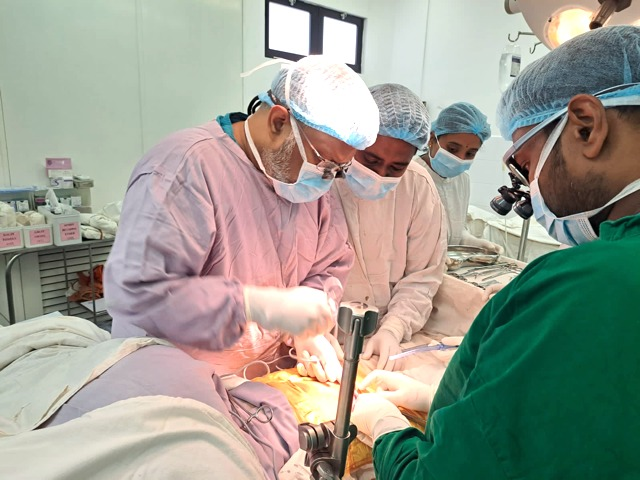
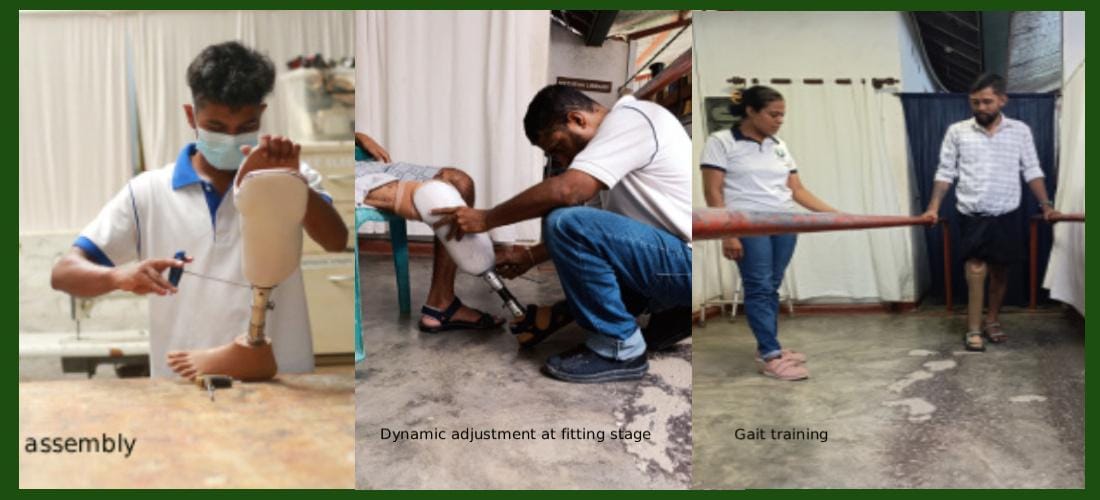
Registered Professional organisations and NGOs such as SLMDA, UK (Sri Lankan Medical and Dental Association), APSL UK (Association of Professionals of Sri Lanka, UK), IMHO (International Medical Health Organisation, USA), Manitha Neyam (UK), Hela Sarana (UK), Meththa Foundation (UK), Abayam (UK) and Vanni Hope (Australia) are some examples of Sri Lankan diaspora organisations that have positively intervened in the rebuilding of livelihoods and post war reconstruction. Many of these organisations have made notable contributions during the recent environmental and political disasters and the beneficiaries have come from all parts of Sri Lanka and across all divides.
The diaspora has also been pivotal in keeping international attention on Sri Lanka, lobbying foreign governments and the UN for accountability and justice in the conduct of the war. By canvassing international opinion, the diaspora has in many instances dented the official position of the Sri Lankan state on many issues seen as inimical to wider society. It is fair to state that the ‘diaspora factor’ has been the single biggest reason why the exclusive ethnocentric projects and narratives initiated (and sponsored) by some previous regimes were toned down with subsequent governments adopting a more conciliatory approach.
Negative Impacts: For decades, segments of the diaspora provided significant funding to militant groups, enabling the prolongation of the conflict. Many of these groups had previously intimidated, coerced, or killed members of the community who challenged their ideology, creating a culture of fear among expatriates. The attack on late veteran journalist DBS Jeyaraj in Toronto stands out amongst such acts of violence and vile intimidation. Furthermore, inward remittances by the diaspora are not always evenly distributed, creating a divide that adds to socioeconomic tensions and worsening of poverty for some. A handful of diaspora organizations continue to hold on to the sectarian agenda that fuelled the war and promote narratives of a renewed nationalistic struggle. This group – scarred by the memories and losses of the past, often indulge in political narratives that do not address the pressing needs of their own people living in Sri Lanka. When it comes to reconciliation and the willingness to move forwards rectifying historical mistakes and forging a unified ‘SRI LANKAN’ brand, there exists a deep gulf between people living in Sri Lanka and the wider Sinhala and Tamil diaspora. These residual feelings - no doubt shaped by the lived experiences of the past, when amplified by diaspora funds, compels the state to move extremely cautiously making post-war reconciliation hard to materialise.
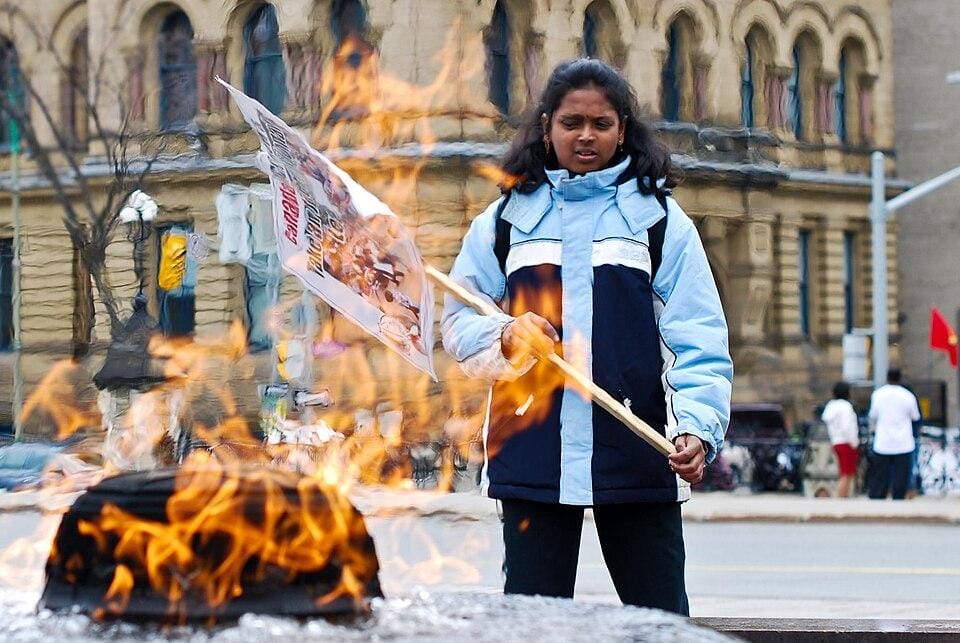
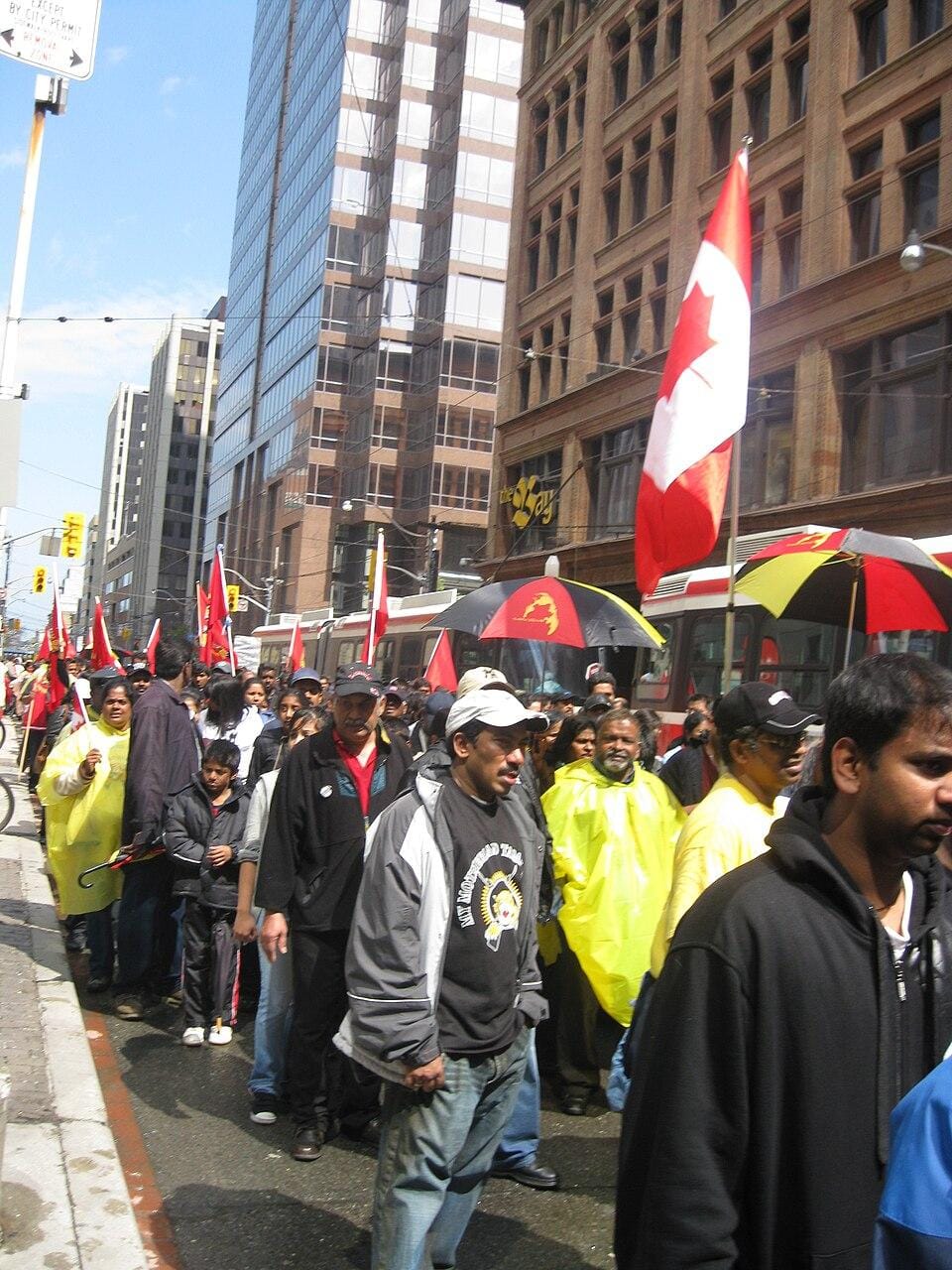
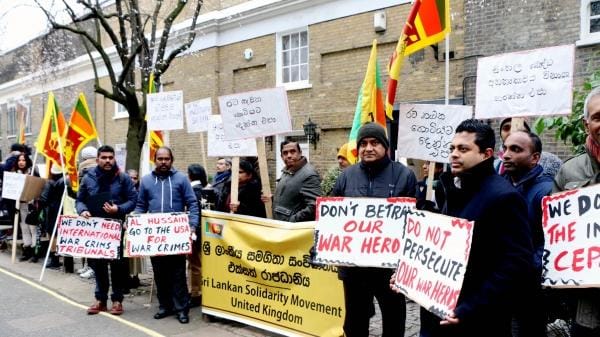
Some members of the diaspora (from both communities) have manipulated or discouraged local politicians in Sri Lanka from following the politics of moderation. By fuelling extreme narratives, these groups make it difficult for moderate voices from either side to emerge and facilitate dialogues towards meaningful reconciliation. While many groups and organisations are transitioning towards humanitarian and developmental engagement, a resistant cohort continues to engage in "exile politics" that - inadvertently or by design, hinder reconciliation. Funding provided - perhaps in good faith, to vociferous ‘social media heroes’ in the political space - on the basis that the established political parties have ‘not solved the problems’, introduces a new layer of complexity.
In any political dispute, the longer the issue is allowed to fester, in search of political utopias - that do not stand up to scrutiny in an interconnected world, the more likely it is to damage the long term interests of all parties concerned. Political parties must therefore be free to seek compromises that address the basic needs and concerns of their electorates without being bound to narratives of a by-gone era. They have to balance the needs/demands of the community against the changing ground realities including the aspirations/sensitivities of major global powers. Short-sighted slogans and emotive rhetorics generated overseas add credence to an intransigent state’s unwillingness (or inability) to take bold decisions necessary for building an inclusive SRI LANKAN brand. Seeking compromise - by all parties concerned, is not betrayal. It is pragmatic politics. The diaspora has a pivotal role in shaping this politics of moderation and compromise, essential for Sri Lanka’s long term stability and the wellbeing of all its people.
The opinions expressed in this article are those of the author alone. They do not represent the views of the University of Manchester on this subject.