

Prof. Mahesh Nirmalan

Prof. Mahesh Nirmalan

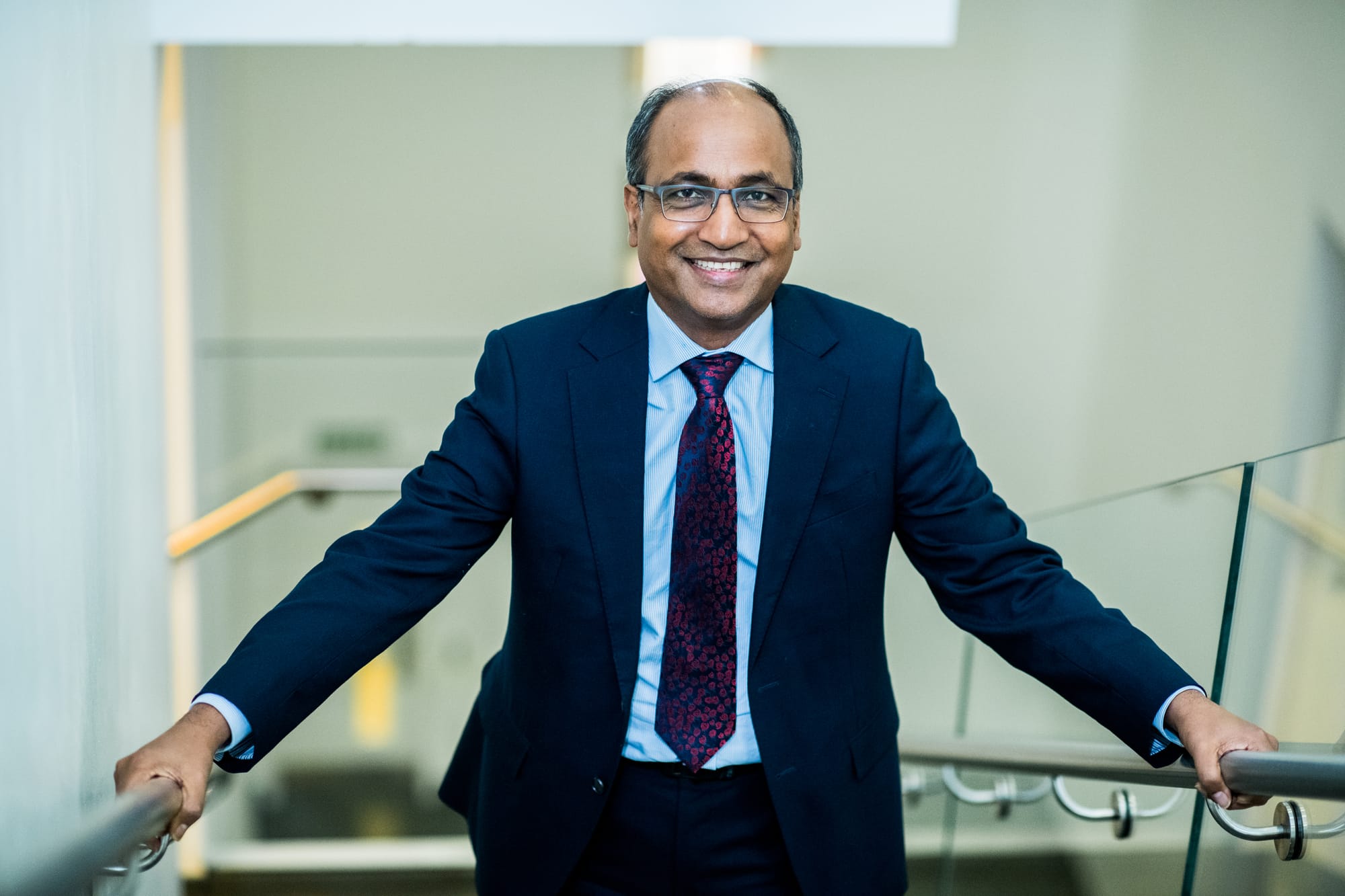
Prof. Mahesh Nirmalan, MD, FRCA, PhD, FFICM, is a senior academic at the University of Manchester, noted for his leadership in medical education, ethics, socially responsible research, and deep love for Tamil literature and ethos.


Sudan and the Illusion of External Rescue: a mirror for Sri Lanka
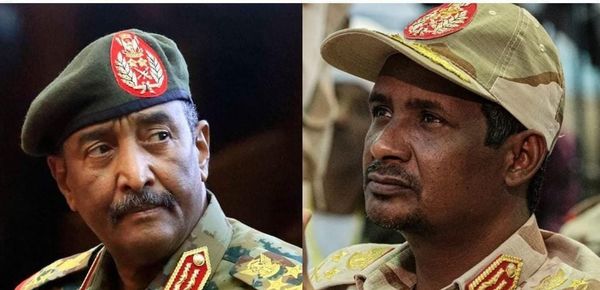
Who should heal Sudan’s pain? Image obtained from Middle East Political and Economic Institute

Sudan and the Illusion of External Rescue: a mirror for Sri Lanka

Mr. Saifeldin Nemir and Prof Mahesh Nirmalan Mr Saifeldin Nemir is a Sudanese national and the current Chief of UNICEF Field Office, Ethiopia. He was also the former Deputy Country Director for Islamic Relief Worldwide; Professor Mahesh Nirmalan is the Associate Vice President for Responsible Research Practice at the University of Manchester and Consultant in Intensive Care Medicine at Manchester Royal Infirmary, UK Sudan is geographically distant from Sri Lanka, but its recent history carries


Prof. Mahesh Nirmalan

Prof. Mahesh Nirmalan

Development, Division and Sovereignty in a Divided and Contested World
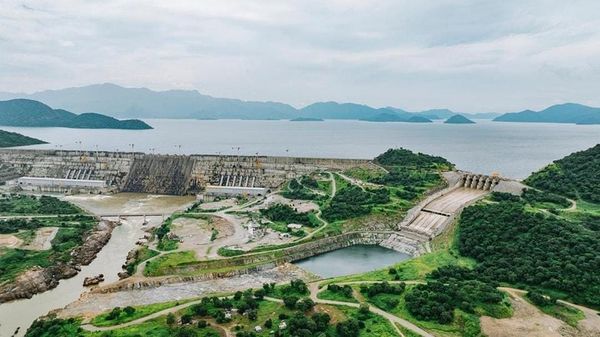
The Grand Ethiopian Renaissance Dam (GERD): A source of pride and a model for development in the Global South. Source: Wikipedia

Development, Division and Sovereignty in a Divided and Contested World

Professor Mahesh Nirmalan MD, FRCA, PhD, FFICM, University of Manchester, UK Sri Lanka, is a nation shaped by paradoxes at every level. In 1819 missionary and future Bishop of Calcutta Reginald Heber captured this paradox in his poem as “What though the spicy breezes Blow soft o'er Ceylon's isle, Though every prospect pleases, And only man is vile” Despite the colonial prejudices that are evident in the above words, the verse does capture the paradoxes of Sri Lanka which stand true to


Prof. Mahesh Nirmalan

Prof. Mahesh Nirmalan

Aid without accountability: Why fragile states remain fragile
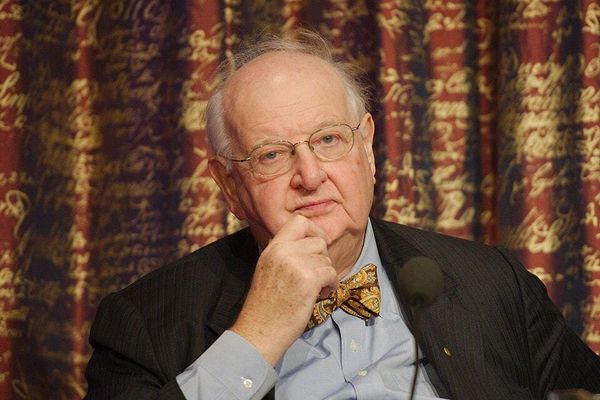
Nobel laureate Angus Deaton.

Aid without accountability: Why fragile states remain fragile

By: Prof Mahesh Nirmalan MD, FRCA, PhD, FFICM University of Manchester. The dependence on the unimpeded flow of overseas ‘aid’ runs firmly through many countries in the global south. Grants, concessionary loans, and development assistance have been presented as honourable lifelines and viewed as the ‘magic wand for poverty alleviation’. But it is a dogma that deserves closer scrutiny in a world that treats ‘Aid’ as an extension of foreign policy. The Nobel prize winning and centre-left leani


Prof. Mahesh Nirmalan

Prof. Mahesh Nirmalan

“Living there while being here”: Paradoxes in the legacy of the Sri Lankan diaspora
An unharnessed potential?: Source Vanni Hope (Australia)

“Living there while being here”: Paradoxes in the legacy of the Sri Lankan diaspora

Professor Mahesh Nirmalan MD, FRCA, PhD, FFICM, University of Manchester, United Kingdom “திரை கடல் ஓடியும் திரவியம் தேடு” is an age-old saying by the Tamil poet Avvaiyar (ஔவையார்) in the collection of poetic moral statements known as “Konrai Venthan” (கொன்றை வேந்தன்). Directly translated it reads “Acquire wealth even if you have to cross the stormy seas”. As such the desire to travel to distant lands seeking prosperity is very much part of the South Asian psyche. It was this spirit that d


Prof. Mahesh Nirmalan

Prof. Mahesh Nirmalan

The Double-Edged Sword: Navigating the Human and Social Paradoxes of the Bhagavad Gita
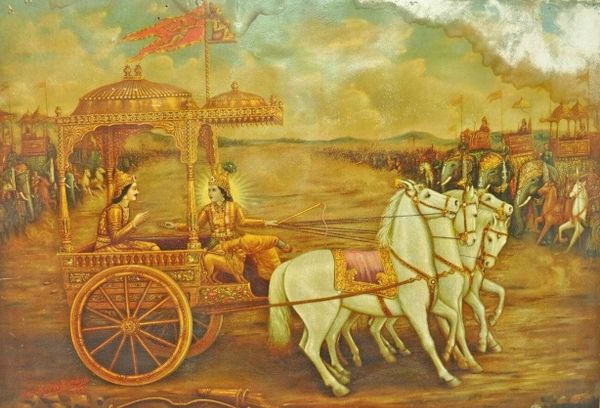
The warrior prince Arjuna and his charioteer Krishna - the key protagonist of the Mahabharata war. Image obtained from Wikipedia under the Creative Commons Licence

The Double-Edged Sword: Navigating the Human and Social Paradoxes of the Bhagavad Gita

Mahesh Nirmalan MD, FRCA, PhD, FFICM, University of Manchester, United Kingdom Human life is defined by a deep-seated paradox which at times may seem unsurmountable. On the one hand we are biological organisms subject to the rules of physics and chemistry and therefore subject to entropy, decay and dissolution. We get hungry, tired, we age and ultimately, we all cease to function. Yet within this fragile and time limited existence there remains a sense of ‘I’ or ‘me’ that feels constant. Despit


Prof. Mahesh Nirmalan

Prof. Mahesh Nirmalan

When machines think: Reframing the ethics of Artificial Intelligence in the global south

When machines think: Reframing the ethics of Artificial Intelligence in the global south

Mahesh Nirmalan MD, FRCA, PhD, FFICM and Roshan Ragel PhD Professor Mahesh Nirmalan is Associate Vice President for Responsible Research Practice at the University of Manchester, UK and Professor Roshan Ragel is Professor of Computer Engineering at the University of Peradeniya, Sri Lanka How we choose to conceptualise Artificial Intelligence (AI) is one of the cornerstones of the current debate on the ethics of AI. In this context, do we see AI as a tool that has been developed by humans


Prof. Mahesh Nirmalan

Prof. Mahesh Nirmalan

Ethics of AI in an Asymmetric World: A Critical Examination of UNESCO’s 2021 Guidelines

Ethics of AI in an Asymmetric World: A Critical Examination of UNESCO’s 2021 Guidelines

By Mahesh Nirmalan, MBBS, MD, FRCA, PhD, FFICM & Roshan G. Ragel, PhD Mahesh Nirmalan is Associate Vice President for Responsible Research Practice at the University of Manchester, UK. Roshan G. Ragel is Professor of Computer Engineering at the University of Peradeniya, Sri Lanka. It is widely recognised that the impact of Artificial Intelligence (AI) on human societies will be profound and is likely to impact all facets of human life. It has been described as the point of “technological sin


Prof. Mahesh Nirmalan

Prof. Mahesh Nirmalan

The Cosmic Dance of Shiva: A Journey through Time and Philosophy

The Cosmic Dance of Shiva: A Journey through Time and Philosophy

The temporal evolution of Hindu iconography was the result of changes in the philosophical understanding on the nature of existence and the ability to express these insights through suitable artistic media. In addition to being a source of artistic inspiration these changes also trigger reflection and introspection amongst religious seekers. The journey from the abstract and amorphic Shivalinga through the early anthropomorphic ‘Pasupathi’ of the Indus Valley civilisation and the further exubera


Prof. Mahesh Nirmalan

Prof. Mahesh Nirmalan