
By: Prof Mahesh Nirmalan MD, FRCA, PhD, FFICM
University of Manchester.
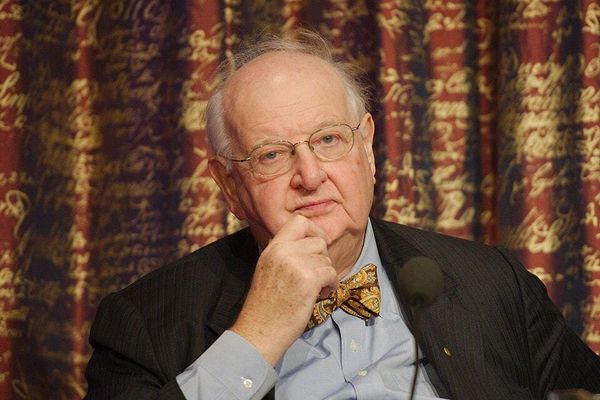
The dependence on the unimpeded flow of overseas ‘aid’ runs firmly through many countries in the global south. Grants, concessionary loans, and development assistance have been presented as honourable lifelines and viewed as the ‘magic wand for poverty alleviation’. But it is a dogma that deserves closer scrutiny in a world that treats ‘Aid’ as an extension of foreign policy. The Nobel prize winning and centre-left leaning economist Angus Deaton argues that poverty - even in the most deprived nations, is not primarily the result of a shortage of funds or resources. He refers to it as the ‘Aid illusion’. Deaton argues that poverty is a result of the perversion in the relationship between governments and citizens . If true, the emotive advocacy for global aid may not only fail to solve poverty but may, in some situations, aggravate it. In the words of Deaton “far from being a prescription for eliminating poverty, the aid illusion is an obstacle in improving the lives of the poor”.
At the heart of Deaton’s argument lies the simple logic that in a healthy society, governments depend on their citizens for revenue. Through taxation, people contribute to the state, and in return they expect services creating a social covenant. Sudden flow of large volumes of donor finance distorts that symbiotic relationship. Governments become less reliant on their citizens and more responsive to donor agencies, thus shifting accountability outwards. Deaton summarises the challenge as: “The ethical arguments for the duty to assist are surely overwhelming; the issue is (therefore) not the moral but the practical one: whether we (meaning the world’s non-poor) have the ability to assist them (the global poor)”.
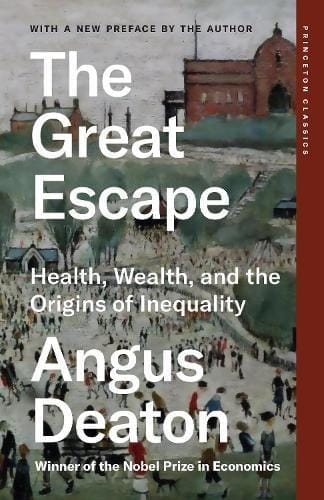
The Great Escape: Angus Deaton, Winner of Nobel Prize in Economic Sciences 2015
In countries such as Sri Lanka, Uganda and Kenya, marked by tribal, linguistic, religious or regional diversity, the uncoupling between the state and citizenry carries added risks. In such countries development is not merely about economic growth, but it is also about creating a shared sense of belonging born through loyalty to a larger nation state. Without such a foundation, economic progress becomes uneven, fragile, and unsustainable. External aid interacts with these internal divisions in subtle but powerful ways. Unlike taxation, which requires broad participation and consensus, external funds can be distributed selectively. Governments are not compelled to negotiate across communities with the same sense of purpose and the task of building inclusive institutions can be bypassed. Sri Lanka presents a powerful case study in this respect well known for its tragic consequences.
The period following economic liberalisation in 1977 marked a turning point in Sri Lanka’s history. The opening of the economy brought with it a significant influx of foreign capital. International donors supported large development projects such as the Accelerated Mahaweli Programme and a chain of high-end hotels sprang up overnight around the Galle Face green. Infrastructure and luxury spending expanded, irrigation networks developed, and agricultural settlement schemes were implemented at scale. These were no doubt substantial achievements. Yet beneath this visible progress, a different yet pernicious dynamic unfolded.
The availability of external capital allowed the Jayawardene government to act with impunity, detached from its own citizens and centralise political power. Instead of using the new-found capital to build an inclusive national framework the political climate moved in a more majoritarian direction - all groups did not matter equally and some groups did not matter at all. Agricultural re-settlements under the Mahaweli programme were seen to feed into a majoritarian assimilation project. The pogrom of July 1983 therefore did not emerge in isolation; it occurred within a context where the state had become insulated financially and politically from its own population.

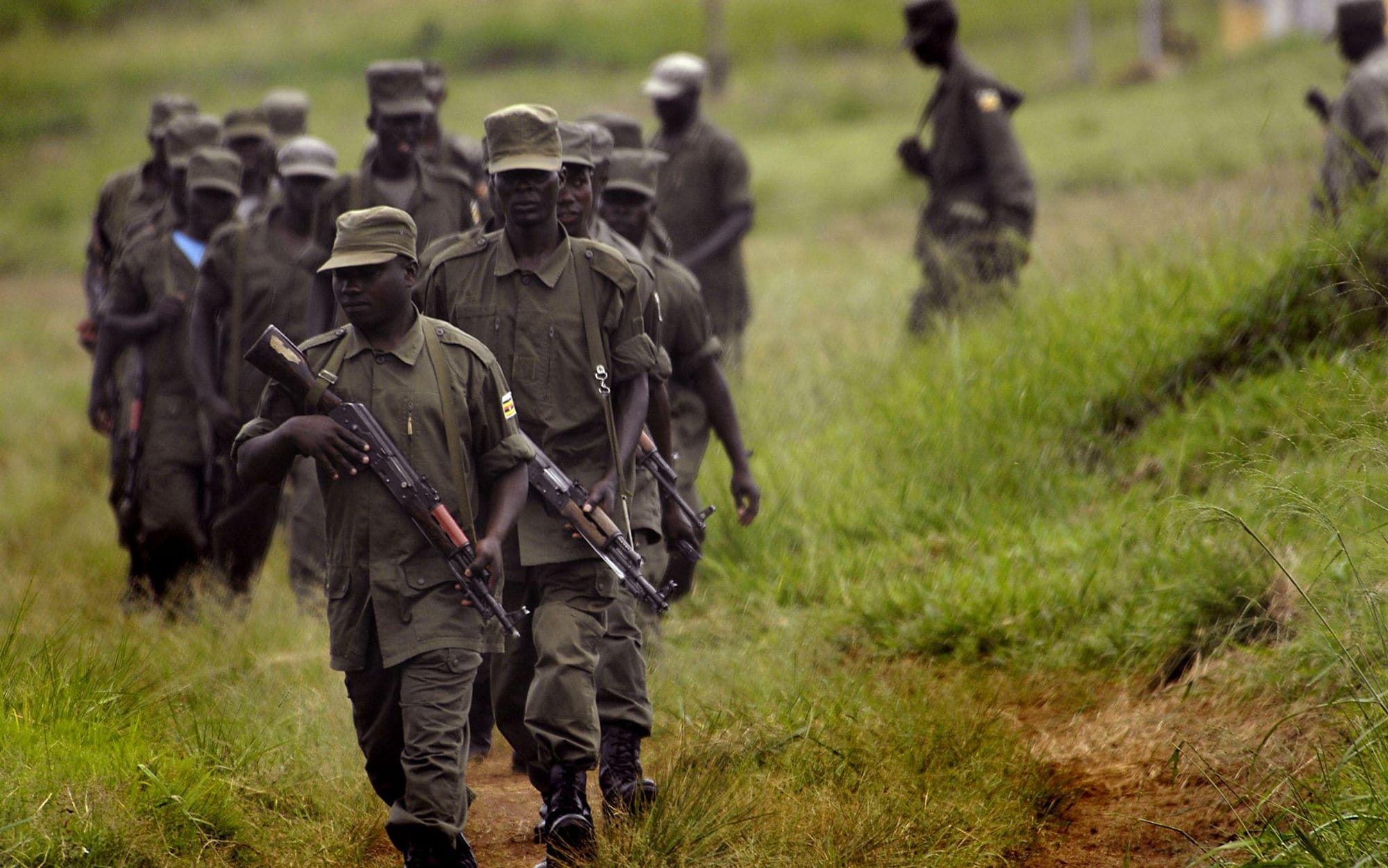
A similar pattern, though shaped by different historical forces, can be observed in Uganda and Kenya too where successive governments navigated and at times reinforced long-standing divisions between different tribes ad-lib. In Uganda for example, the predominantly Acholi population of the north and the largely Bantu communities of the south became increasingly polarised and political power, resource allocation, and developmental priorities reflected these divisions. As in Sri Lanka, alternative sources of support encouraged governments to manage/control social divisions rather than resolve them. The consequences, as in Sri Lanka, were profound. In Sri Lanka, unresolved tensions and cycles of violence lasted nearly five decades with the loss of nearly 150,000 lives across all communities. In Uganda, marginalisation of the north erupted in the prolonged conflict involving the Lord’s Resistance Army and the Government forces resulting in the loss of over 100,000 lives and one of the largest displacements of civilian populations affecting all 8 districts of the Acholi sub-region.
Kenya too experienced several cycles of inter ethnic clashes after independence in 1963. Though officially classified as election related inter-communal violence, the inter-tribal undertones were unmistakably evident in many of these clashes.
The end of armed conflict in Uganda and Sri Lanka presented historic opportunities. In Uganda, the cessation of major hostilities around 2006 created a moment for national reconciliation, institutional reform, and economic integration. Similarly, in Sri Lanka, the end of the war in 2009 offered a rare opportunity to rebuild not only infrastructure, but trust across ethnic, linguistic, and regional lines. Yet in both contexts, these moments were not seized upon. Rather than fully recalibrating the state - citizen relationship, political systems reverted to an established myopia. In Uganda, road and infrastructure development (such as the Entebbe-Kampala and Kampala-Gulu Highways) accelerated with tangible economic benefits - funded by bilateral Chinese loans, without serious attempts at healing inter-tribal rivalries. In Sri Lanka, accelerated post-war development spearheaded by the ‘Rajapakse governments’ (such as high speed road networks in the whole country including the Northern and Eastern provinces) lacked concurrent institutional reform. Financial systems remained narrow, governance structures parochial, and the deeper project of nation-building remained ignored. These missed opportunities are not accidental. They reflected a broader pattern in which donor funding interacted with a parochial political class to prioritise short-term wins over long-term cohesion. When governments can maintain legitimacy through external funding, the incentive to undertake the more difficult work of building inclusive institutions diminishes. What emerges is a form of stability and a superficial appearance of ‘prosperity’ that is transient and fragile.
A further, and often underappreciated, dynamic reinforces this pattern. Within hierarchical societies civil servants, professionals, clergy, and academics rarely operate in isolation from power. Their influence is shaped by proximity to political authority, and the incentives associated with that proximity. As a result, there is a subtle but persistent tendency to adopt positions that align with what they perceive the leaders wish to hear. ‘Moral’, ‘religious’ and even ‘scientific’ arguments can be reframed - consciously or unconsciously, to reflect prevailing political narratives. The narratives generated by the academic and clinical communities in Sri Lanka during the COVID pandemic, around the need to cremate dead bodies ignoring the traditional burial practices of certain communities, exemplifies the corrosive nature of manufactured pseudo-science.
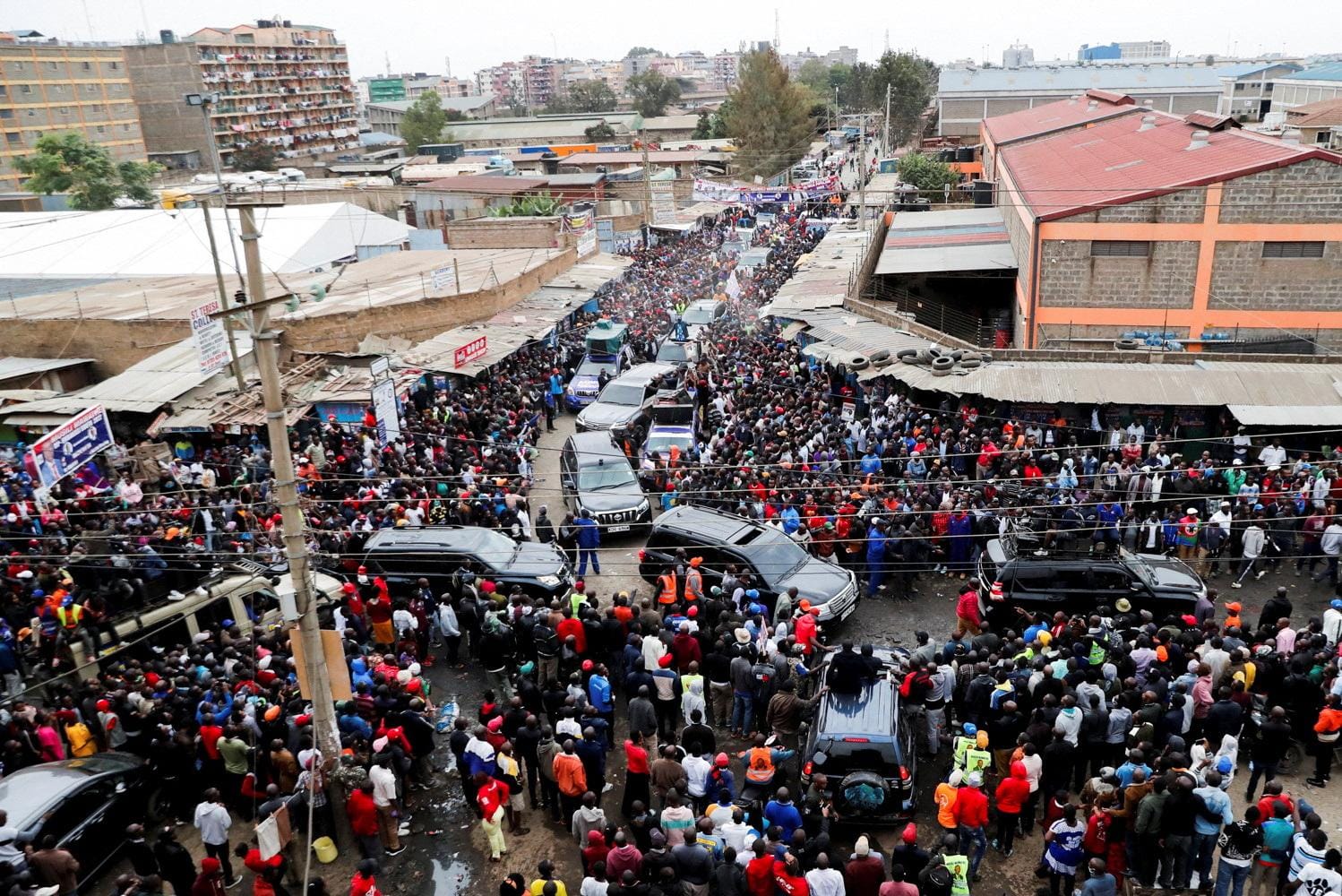
This dynamic may not necessarily arise from overt malice. More often, it reflects institutional incentives - career advancement, recognition and access to influence. Over time, it produces a body of discourse that appears intellectually grounded but is, in reality, selective and biased. In societies already shaped by ethnic or regional divisions, such narratives can become powerful polarising instruments. This helps explain why potential bifurcation points - such as the end of armed conflict, do not automatically lead to transformative change. Even when structural conditions for reconciliation exist, the narratives shaping public opinions remain divisive.
Across these different contexts, a common thread - articulated by Deaton, emerges. External capital can alter incentives in ways that weaken the relationship between governments and people. It enables governments to sustain authority without investing in broad-based legitimacy. It allows divisions to be managed rather than resolved. And critically, it contributes to missed opportunities - moments in which countries might otherwise have redefined their trajectories even if it meant exaggerated suffering and suboptimal services in the short term.
This does not mean that international engagement is unnecessary nor is it a call for countries to become more insular. Trade, knowledge exchange, and cooperation remain essential in an interconnected world. But it does suggest that legitimacy through external funding - particularly as a substitute for ‘domestic healing’, comes with significant risks.
For Sri Lanka, one of the most significant but underutilised resources lies within its own diaspora. Across North America, Europe, and Australasia, Sri Lankan communities have established themselves successfully with considerable financial resources, professional expertise, networks, and global perspectives. In theory, diaspora capital offers a different kind of opportunity as it is primarily not driven by geopolitical considerations or framed within patronising donor–recipient relationships. Rather, it is often motivated by a passionate interest in the country’s stability and prosperity. Angus Deaton’s assessment that the value of private remittances from immigrants to their families in poor countries may be twice as large as formal ODA (Overseas Development Assistance) highlights the value-addition that may be achieved by harnessing the financial powers of diaspora communities. Yet this potential remains only partially realised in many countries due to complex socio-political constraints. Diaspora communities often mirror the divisions of their home countries and identities shaped by conflict can persist or intensify over time. Diaspora involvement/investments therefore - unless curated and managed carefully, can also have polarising consequences by being biased towards some groups.
There is also a broader and bitter reality that cannot be ignored. Increasingly, major powers recognise that development assistance must serve their own strategic interests. Though this does not make such funding undesirable, it does highlight the importance of strengthening domestic foundations. Whilst poorer countries may successfully utilise their strategic strengths (access to vital sea lanes, mineral reserves, shifting loyalty to alternate power hubs etc.), in their negotiations with external funders, unresolved internal divisions leave them vulnerable. In the presence of unresolved social fractures, the powerful nations can - and will, pull on levers along these fault lines much to the disadvantage of poorer countries.
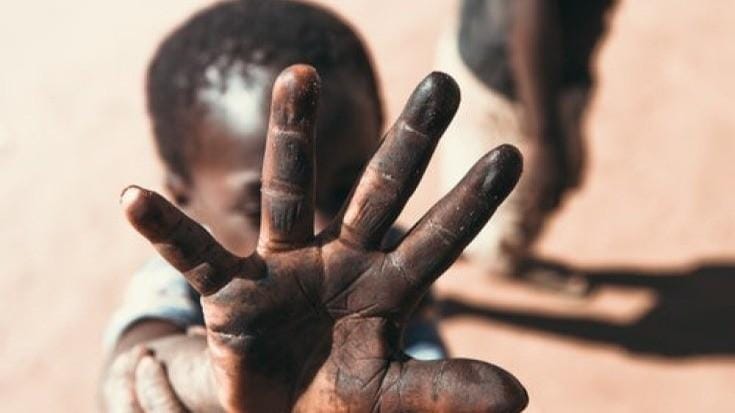
Ultimately, the message is not that countries should turn inward, but rather that they must build outward from a stronger base. Development can neither be imported nor can it be sustained through borrowing. It must be built - brick by brick, through institutions that command trust, through policies that are perceived as fair, and by fostering a sense of belonging that transcends internal divisions. The parallel experiences of Sri Lanka, Uganda, and Kenya point to a pattern where divisions were managed rather than healed, where external capital substituted for internal accountability, and where post-conflict moments were not fully seized. Aid under these circumstances corrupts and deepens dependency. If Sri Lanka - and others like it, can begin to move beyond competing identities towards a genuinely shared national project, new forms of capital, including that of the diaspora, will begin to flow unimpeded. Until then, the search for salvation from outside will remain an illusion. The real work, as it has always been, lies closer to home.
The opinions expressed in this article are those of the author and do not represent the views of the University of Manchester.