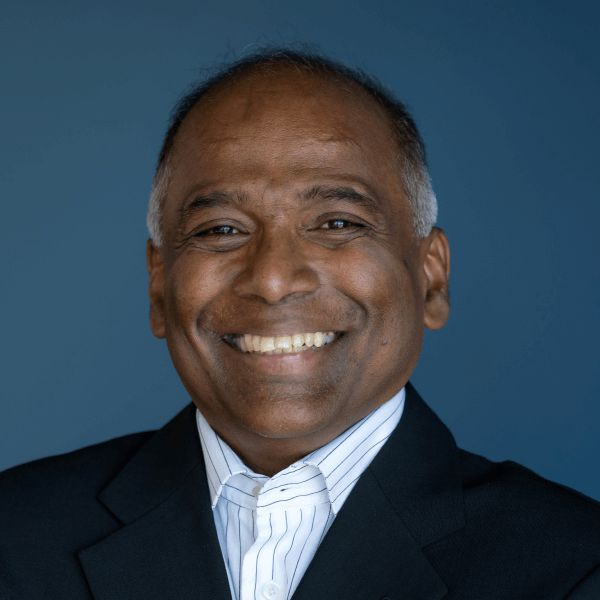
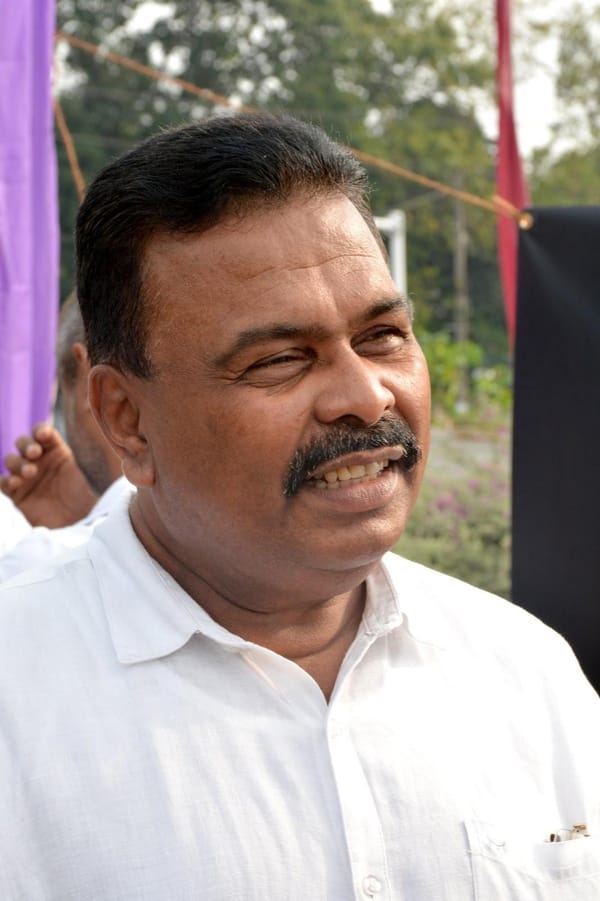
Veteran leftist politician and former Janatha Vimukthi Peramuna (JVP) leader Nandana Gunathilake passed away on Sunday morning, prompting an outpouring of tributes as well as sharp criticism from sections of his former political comrades, particularly within the JVP-led National People’s Power (NPP).
While many across the political spectrum remembered Gunathilake for his simplicity, organisational skills, and role in rebuilding the JVP after the brutal repression of the late 1980s, some current JVP and NPP leaders openly dismissed his legacy.
Writing on social media following Gunathilake’s death, the often controversial Minister K. D. Lal Kantha made a blunt and widely criticised remark about his former colleague.
“Nandana Gunathilake is zero to me,” Lal Kantha wrote.
Elaborating, he said: “He made sacrifices to build up the JVP, and for that I would give him ten marks. However, he also made sacrifices to destroy our party. For that, I would deduct ten marks. Ten minus ten is zero. Therefore, Gunathilake is a man of zero.”
The statement drew criticism from several quarters, with commentators describing it as unnecessarily harsh—particularly in the context of Gunathilake’s death and his long political history within the party.
A Central Figure of the 1980s Generation
Gunathilake was widely regarded as a key figure of the so-called “Generation of the 1980s,” a decade marked by extreme political violence in both Sri Lanka’s North and South. The period saw the escalation of the Tamil armed struggle, Indian military and political intervention, ethnic violence, mass killings, and the JVP’s second insurrection, followed by one of the bloodiest counter-insurgency campaigns in the country’s history.
Former minister Patali Champika Ranawaka, in a lengthy tribute, described Gunathilake as a political actor who stood “at the very centre of a cycle of killing and counter-killing, where everyone was turned against everyone else.”
Ranawaka noted that when many senior JVP leaders were assassinated or fled abroad after the party’s collapse in 1989, Gunathilake remained in Sri Lanka and played a crucial role—along with a small group of activists—in rebuilding the organisation from near extinction. It was on this rebuilt foundation, Ranawaka argued, that Somawansa Amarasinghe later assumed leadership of the JVP.
Electoral Politics and Later Break with the JVP
Gunathilake’s political prominence peaked in 1999, when he contested the presidential election as the common candidate of the Left, at a time when the JVP was re-entering electoral politics after years of repression. In 2004, he became Chairman of the United People’s Freedom Alliance (UPFA), formed by the SLFP and the JVP under President Chandrika Bandaranaike Kumaratunga.
However, internal tensions within the JVP deepened in the mid-2000s, leading to Gunathilake’s eventual break with the party. He later aligned himself with hardline Sinhala nationalist figures such as Wimal Weerawansa and supported the government’s military campaign against the LTTE.
His subsequent political journey—including opposition to the Rajapaksa administration during its later years and support for the 2015 “yahapalana” change—left him increasingly isolated from both the JVP and mainstream political power.
Personal Hardships and Final Years
After his departure from the JVP, Nandana Gunathilake, like former JVP leader Somawansa Amarasinghe, faced significant personal and political hardship. Supporters argue that both men were sidelined and subjected to what they describe as inhumane treatment by their former party.
Ranawaka, reflecting on this, said the manner in which Gunathilake was treated after leaving the JVP should serve as a warning to today’s NPP activists about their own political futures.