A prominent exiled Muslim woman writer has renewed calls for Sri Lankan authorities to explain why a man who arranged covert medical treatment for the brother of the 2019 Easter Sunday bombing mastermind was released without ever being brought to trial.
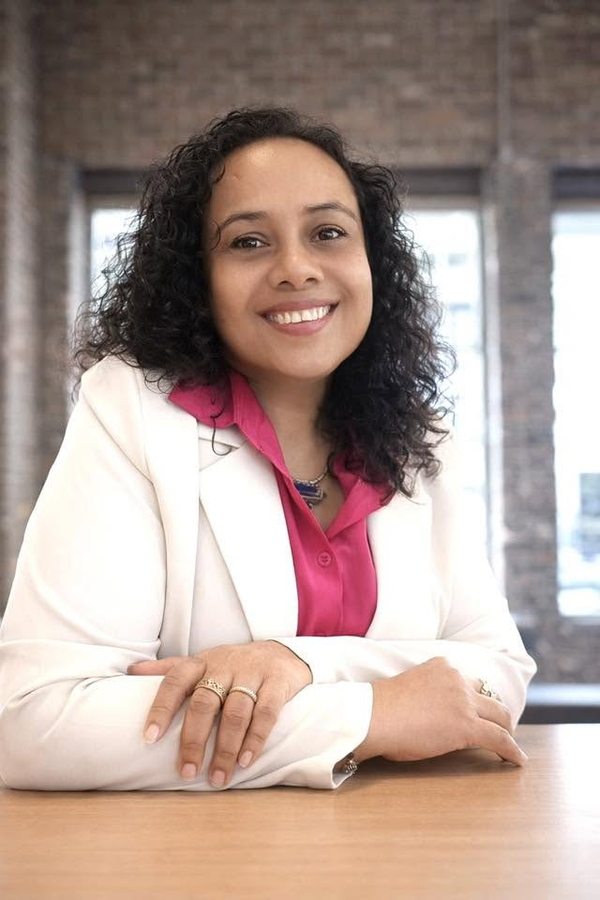
In a Facebook post this week, Sharmila Seyyid, a novelist and activist who has lived in the United States since 2021 after years of threats from Islamist extremists in Sri Lanka, said she had filed two formal complaints — with the Criminal Investigation Department and the Terrorism Investigation Division — alleging that the man, Riza Marzook, played a deliberate role in concealing evidence connected to the bombings that killed 269 people.
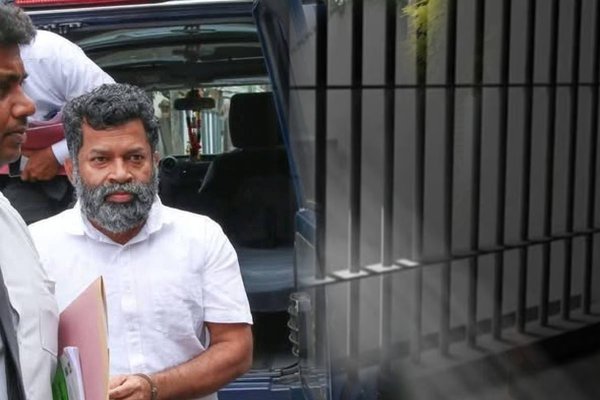
Marzook, an engineer who was working in Saudi Arabia at the time, has said he believed he was simply helping a burn victim and was unaware of any connection to a terrorist plot. He was returned to Sri Lanka by the Criminal Investigation Department, questioned at length, and ultimately released without prosecution — a sequence of events Seyyid’s post argues was never adequately explained to the public.
The Kattankudy connection
According to Seyyid’s account, the case traces back to August 2018, months before the Easter attacks, when an explosive device detonated in the hands of Ilham Hashim, known as Rilwan, the brother of attack mastermind Zahran Hashim, during a bomb-making attempt in Kattankudy, in Sri Lanka’s Eastern Province. Rilwan lost an eye, suffered severed fingers, and sustained severe burns, Seyyid wrote.
Members of the National Thowheeth Jama’ath, the extremist group behind the bombings, removed Rilwan from the scene before police arrived and told both residents and officers that a household gas cylinder had exploded, causing a minor injury, according to the post. Kattankudy police recorded it as a routine accident.
Seyyid wrote that because Sri Lankan law requires hospitals to notify police of any patient treated for explosion or gunshot injuries, Rilwan was kept out of the state hospital system entirely. Marzook, she said, arranged for a doctor he knew at Colombo National Hospital to advise on the injuries remotely, sending photographs of the wounds from Saudi Arabia. Zahran Hashim later traveled to Colombo under an alias to arrange his brother’s continued treatment in secret, according to the post, with medicines purchased privately and procedures carried out outside any hospital.
Questions about the investigation
Seyyid’s post questions how Marzook secured release from custody without facing court proceedings. She wrote that Marzook has consistently maintained the same account he gave investigators — that he had been told only that someone had been injured in a cylinder explosion, and that he acted on humanitarian grounds.
In the months following the Easter Sunday bombings, more than 2,200 people — overwhelmingly Muslims — were arrested under emergency regulations and Sri Lanka’s Prevention of Terrorism Act, a law long criticized by human rights groups for permitting prolonged detention without trial, according to figures cited by Seyyid. Authorities later narrowed that number to 735 people identified as having direct links to the attacks or the broader extremist network. Of those, 493 have since been released on bail, while 196 remain in detention. Court proceedings are continuing against 81 people accused of leading the network or providing financial and logistical support.
Meanwhile, 24 alleged principal conspirators, including Naufar Moulavi, Mohamed Ibrahim, and Milhan, remain in custody under a single High Court case involving more than 23,000 individual charges, a volume of material Seyyid said has significantly delayed the proceedings.
Seyyid also wrote that Marzook’s public persona since his release, as an organic farmer, masks what she described as the continued, indirect promotion of Wahhabi ideology.
A wider reckoning online
Seyyid’s post is the latest contribution to an increasingly heated debate among sections of Sri Lanka’s Muslim community over the legacy of a man critics accuse of helping build the ideological ecosystem that allowed Wahhabi extremism to take hold in the country and, ultimately, to produce the Easter attacks.
After years out of public view, Marzook has re-emerged presenting himself as an organic farmer who has moved on from his past. Critics argue he has neither publicly acknowledged nor apologized for his prior activities, nor expressed any regret for the role they believe he played in fostering religious extremism.
In recent days, hundreds of Sri Lankan Muslims have shared accounts on social media describing how they say they were ostracized, harassed, or branded enemies of Islam by Marzook and his associates after speaking out against Wahhabi ideology and extremism. Some wrote that their past association with him, or with the wider network they say surrounded him, brought them under police scrutiny after the Easter Sunday attacks, leading to arrests, prolonged investigations, and lasting personal hardship. Many of those voices argue that although Marzook has adopted the public image of an organic farmer, his underlying ideological convictions remain unchanged.
Marzook could not immediately be reached for comment.