
M.R. Narayan Swamy

M.R. Narayan Swamy

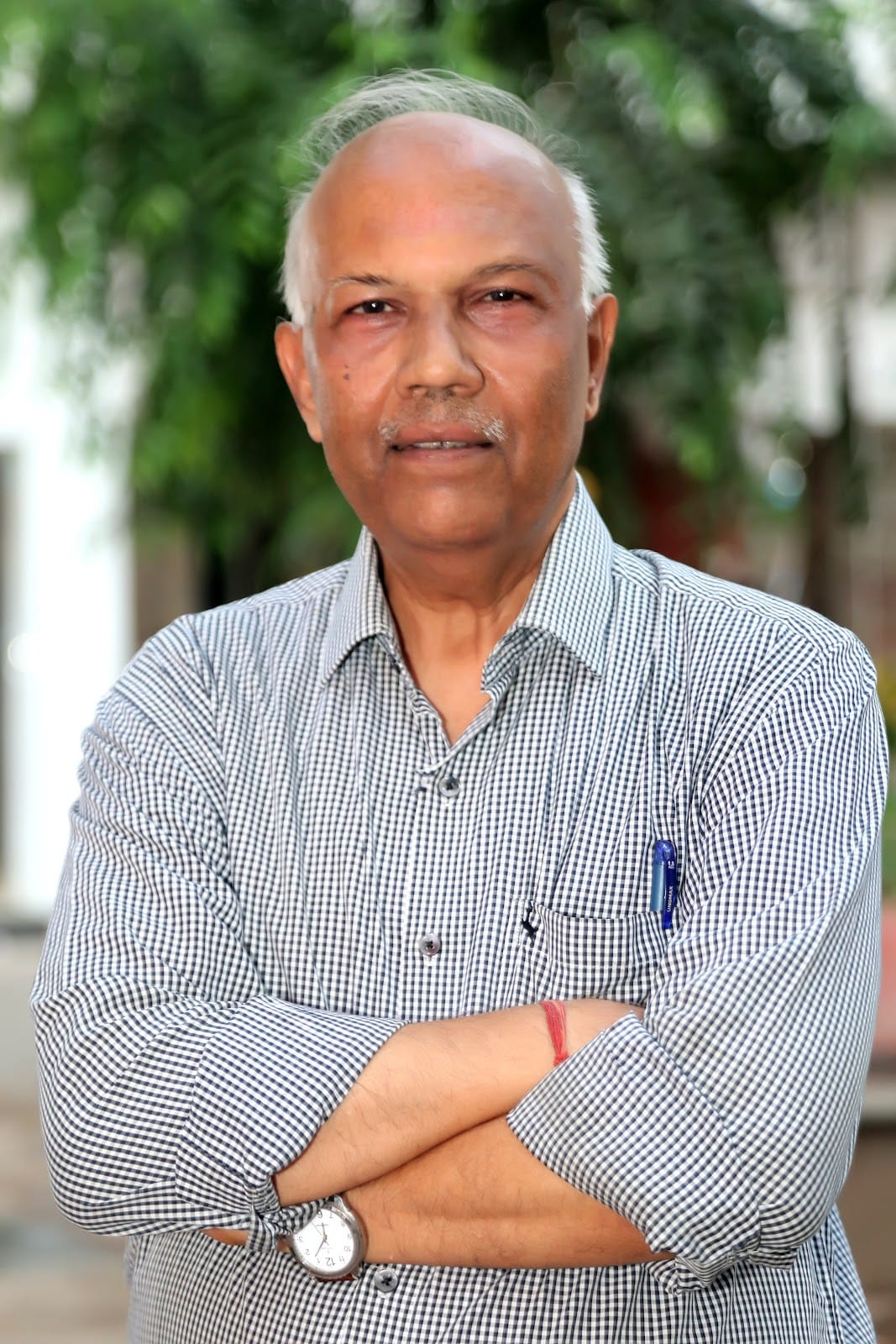
M. R. Narayan Swamy is a renowned Indian journalist and author known for his multi-dimensional reporting—from politics to insurgencies. Best known for his definitive works on the LTTE, he brings depth to South Asian affairs and conflict journalism.


Black holes in India’s Sri Lanka Tamil policy

Black holes in India’s Sri Lanka Tamil policy

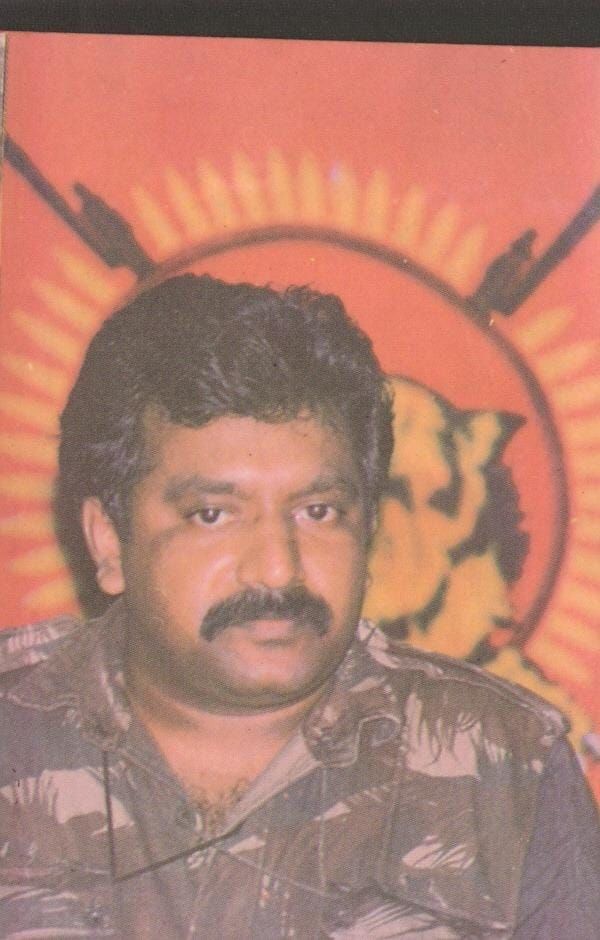
By M.R. Narayan Swamy When Indian Prime Minister Rajiv Gandhi prepared to fly to Colombo in July 1987, Tamil politicians and militants from Sri Lanka were invited to New Delhi to approve a proposed bilateral pact that sought to end Tamil separatism. Velupillai Prabhakaran, the founder leader of the Liberation Tigers of Tamil Eelam (LTTE), and his team were put up in the five-star Hotel Ashok, no doubt because the Tigers were the most formidable force in the military arena, even if they were a


M.R. Narayan Swamy

M.R. Narayan Swamy

Blinded in War, a Former LTTE Fighter Now Guides Others in Sri Lanka’s North

Blinded in War, a Former LTTE Fighter Now Guides Others in Sri Lanka’s North

By M.R. Narayan Swamy At 37, Vijayalathan leads an active life that appears, in many ways, no different from that of others in Sri Lanka. But he is completely blind, the result of a severe injury he sustained as a Tamil Tiger guerrilla in the final stages of the war. Yet he stands as a rare example of someone who has overcome profound adversity and now helps lead a nongovernmental organization working to rebuild the lives of those affected by the separatist conflict that ended in 2009. “I don


M.R. Narayan Swamy

M.R. Narayan Swamy

India Expands Footprint in Sri Lanka as Radhakrishnan Announces OCI Plan for Tamils

India Expands Footprint in Sri Lanka as Radhakrishnan Announces OCI Plan for Tamils

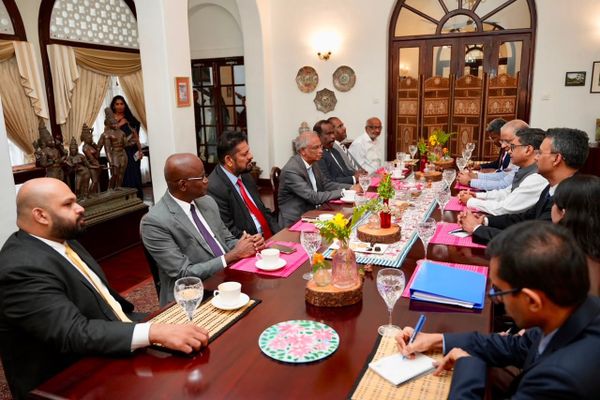
By M.R. Narayan Swamy India has taken a strategic decision to help tens of thousands of Sri Lankans obtain Overseas Citizen of India (OCI) status during a packed two-day visit to the island nation by Vice President C. P. Radhakrishnan, a move that Tamil leaders across the political spectrum described as positive and emotionally fulfilling. Although the visit saw India and Sri Lanka deepen their growing bilateral ties, Tamil leaders from the country’s North and East, along with representatives


M.R. Narayan Swamy

M.R. Narayan Swamy

A Refugee’s Protest Exposes the Long Shadow of Sri Lanka’s Conflict in India

A Refugee’s Protest Exposes the Long Shadow of Sri Lanka’s Conflict in India

By M.R. Narayan Swamy A Sri Lankan Tamil man in penury staged an emotive protest in Tamil Nadu demanding that he be sent back to his country, at a time when Indian Vice President CP Radhakrishnan was discussing in Colombo the fate of thousands of Tamil refugees from the island nation in India. Policemen took away the weeping man shortly after he told the media and curious bystanders that he decided to squat outside the office of the Collector in Mayiladuthurai district on Sunday because he had


M.R. Narayan Swamy

M.R. Narayan Swamy

India–Sri Lanka Ties: Partnership in Practice, Distrust in Memory

India–Sri Lanka Ties: Partnership in Practice, Distrust in Memory

By M.R. Narayan Swamy Relations between India and Sri Lanka have depth and are blossoming. But all is not hunky-dory, notwithstanding the generous multi-faceted help India has provided during crises, more so in recent times. Yes, more and more Sinhalese, the community most cross with India for more than one reason, have begun to view India sympathetically but it will take a long time for bitter memories to fade and the irritants in overall bilateral ties to dissipate. Indeed, if Sri Lanka’s eco


M.R. Narayan Swamy

M.R. Narayan Swamy

Indian Tamils Who Built Sri Lanka’s Tea Economy Are Now Leaving It

Indian Tamils Who Built Sri Lanka’s Tea Economy Are Now Leaving It

By M.R. Narayan Swamy Indian-origin Tamils, descendants of indentured labourers brought to Sri Lanka in the 19th century, are steadily moving away from the tea plantations that once defined their existence. After generations of living a hand-to-mouth existence, many are finding success in new fields emerging as a more empowered ethnic group. Yet, for the tens of thousands who still toil in the tea estates poverty and entrenched racism remain daily realities. Community leaders speak about signi


M.R. Narayan Swamy

M.R. Narayan Swamy

The Leader Prabhakaran Was Not — But Laldenga Was

The Leader Prabhakaran Was Not — But Laldenga Was

By M.R. Narayan Swamy It was in 1966 that the Mizo National Front (MNF) launched its guerrilla war against the Indian state. This was nine years before Velupillai Prabhakaran shot dead the Mayor of Jaffna, and a decade before Sri Lanka witnessed the birth of the Liberation Tigers of Tamil Eelam (LTTE). The comparison is striking not only in timeline but also in scale: Prabhakaran’s envisioned Tamil Eelam spanned roughly 18,000 to 19,000 square kilometres, not far off from Mizoram’s approximatel


M.R. Narayan Swamy

M.R. Narayan Swamy

The Pallava Shadow: How South India Reshaped Southeast Asia

The Pallava Shadow: How South India Reshaped Southeast Asia

By M.R. Narayan Swamy How did Hindu temples come to dot the skyline in parts of Southeast Asia at a time when Buddhism too was spreading its wings? To answer this, we need to turn to the visionary Pallava kings, who ruled a sprawling region in southern India with Kanchipuram as their capital, overcoming military defeats with patience, confidence, and bravery. And who better to unveil this story than William Dalrymple, one of Scotland’s foremost historians, who has made Delhi his home and has


M.R. Narayan Swamy

M.R. Narayan Swamy