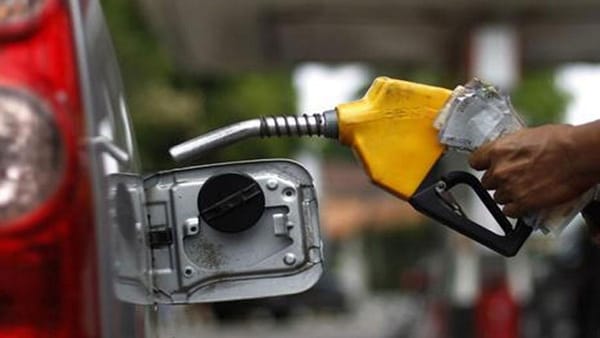
COLOMBO, Sri Lanka — Sri Lanka raised fuel prices across all categories on Monday, delivering a fresh blow to middle- and working-class households as the country — heavily dependent on imported energy — begins to feel the economic shock of surging global oil prices driven by escalating conflict in the Middle East.
The state-run Ceylon Petroleum Corporation (Ceypetco) announced the revisions under the country’s fuel pricing formula, with the new rates taking effect from midnight.
Under the revised structure, Auto Diesel increased by Rs. 22 to Rs. 303 per liter, while Super Diesel rose by Rs. 24 to Rs. 353 per liter. Petrol 92 Octane, the fuel most widely used by private vehicle owners in Sri Lanka, climbed by Rs. 24 to Rs. 317 per liter, and Petrol 95 Octane rose by Rs. 25 to Rs. 365 per liter. Kerosene, relied upon by low-income households and fishing communities, increased by Rs. 13 to Rs. 195 per liter.
Officials said the increases reflect rising international crude prices and higher import costs following heightened tensions involving Iran and Western allies across the Middle East.
Global energy markets have been rattled by fears that the conflict could disrupt oil supplies from the Persian Gulf, one of the world’s most important energy-producing regions. Benchmark Brent crude surged past $100 a barrel in recent days, reflecting concerns that prolonged instability could constrain global supply.
Particular attention has focused on the Strait of Hormuz, the narrow shipping corridor between Iran and the Arabian Peninsula through which roughly one-fifth of the world’s oil supply passes. Any disruption to tanker traffic through the strait could have immediate consequences for global energy markets.
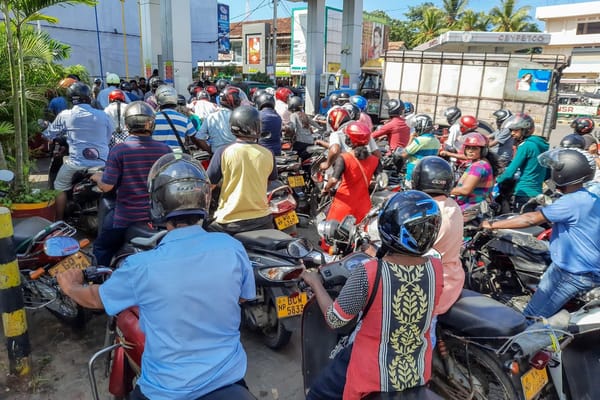
For Sri Lanka — which imports nearly all of its petroleum needs — fluctuations in global oil prices quickly translate into higher domestic fuel costs. The country periodically adjusts fuel prices under a pricing formula designed to align local rates with international crude prices and currency movements.
Economists warn that sustained high oil prices could push up transportation costs, increase inflationary pressure, and place additional strain on household budgets in the months ahead.
If the conflict in the Middle East continues to disrupt global supply routes, analysts say fuel prices in Sri Lanka could rise significantly in the coming months. Some estimate that petrol could climb to between Rs. 380 and Rs. 420 per liter, while diesel could approach Rs. 340 to Rs. 370, depending on how long international crude prices remain elevated and how the Sri Lankan rupee performs against the U.S. dollar.
Such increases would likely ripple through the economy, raising transport fares, food prices, and other basic living costs. How the Sri Lankan government would manage such a scenario — whether through subsidies, price controls, or fiscal adjustments — remains an open question for policymakers in Colombo.