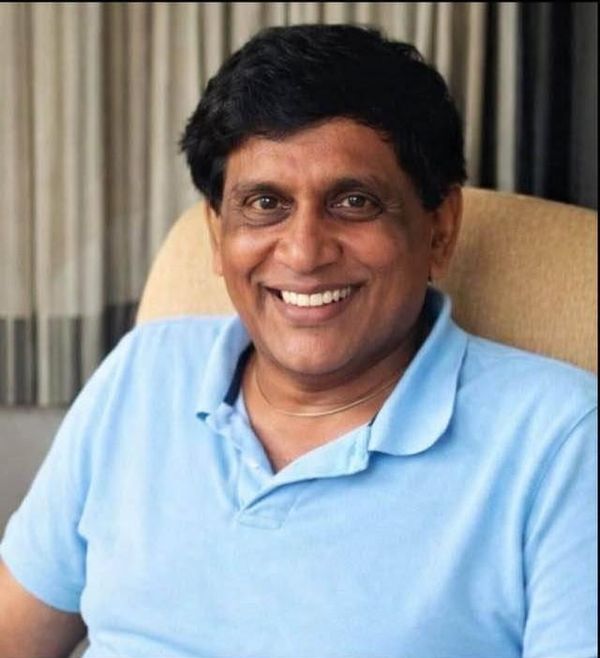
T. Muthukumaarasamy, popularly known as Kumar, a veteran Tamil political activist and one of the early pioneers of Tamil political mobilisation during the pre-militant phase of the Eelam Tamil struggle, passed away in the United States, where he had lived for several decades. He was in his late seventies.
Muthukumaarasamy, who hailed from Thirunelveli, was the youngest son of the late Magistrate Thambithurai, a well-known judicial figure of his time. He became politically active during his student years in the late 1960s and early 1970s. While studying at Kokuvil Technical College, he emerged as an organiser among Tamil youth and became closely associated with major political protests led by the Tamil United Front (TUF).
In 1970, he played a key role in mobilising students against the government’s standardisation policy, alongside figures such as Pon. Sivakumaran and Pon. Sathiyaseelan, and helped lead a large protest march in Jaffna. He was arrested during the agitation and later released following a police inquiry.
He was again arrested in 1972 during protests opposing Sri Lanka’s transition into a republic. Muthukumaarasamy was detained at Jaffna Prison for six months along with more than 70 other youths. His political engagement continued, and in March 1973, following unrest in Jaffna, he was among 42 youths arrested overnight and subsequently detained in Colombo and Kandy prisons. He was released in early 1975.
During the mid-1970s, Muthukumaarasamy was also actively involved in non-violent satyagraha campaigns focused on internal social reform within Tamil society. These campaigns addressed issues such as the abolition of caste discrimination, the promotion of communal dining, and the demand for equal access to temples.
Amid growing ideological differences between the Tamil parliamentary leadership and an increasingly radicalised youth movement, he was among those who eventually broke away to form the Tamil Liberation Organisation (TLO), where he served in a collective leadership role.
Friends and contemporaries told Jaffna Monitor that while in detention, Muthukumaarasamy pursued the study of law and later completed his degree after his release.
Following the assassination of Jaffna Mayor Alfred Duraiappah in 1975, Muthukumaarasamy was once again arrested and detained at Welikada Prison. While several detainees were released after a year, he remained in custody and launched a hunger strike demanding release. Despite alleged assaults by prison authorities, he continued the protest for several days before his eventual release in December 1976.
He also played an instrumental role in the unveiling of the statue of Pon. Sivakumaran in Urumpirai. Sivakumaran is remembered as one of the earliest Tamil militants to take up armed resistance against the Sri Lankan state, and as the first such figure known to have died after swallowing cyanide.
In 1981, amid escalating militant violence, internecine killings among militant groups, intensified police repression, and enforced disappearances in Jaffna, Muthukumaarasamy left Sri Lanka and sought asylum in the United States. From 1985, he worked for several years with Amnesty International, contributing to human rights advocacy, before retiring.