

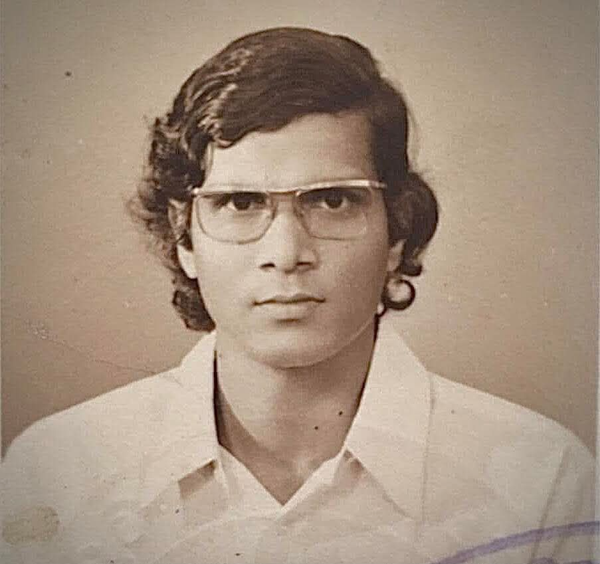
Ali Uthuman’s Memory Revived: Truth and Poetry Beyond Assassination
Ali Uthuman

Ali Uthuman’s Memory Revived: Truth and Poetry Beyond Assassination


Share this post

Sri Lanka Muslim Congress (SLMC) leader Rauff Hakeem sparked controversy this week when, during a condolence speech for former Deputy Minister Cegu Issadeen, he claimed that Ali Uthuman — a former member of the merged North–East Provincial Council — had been killed by the LTTE.

The claim was swiftly challenged on social media by members of both the Muslim and Tamil communities. Users pointed out that the statement was factually incorrect: Ali Uthuman, a respected provincial politician and community figure, was not slain by the Tigers but by cadres of the ENDLF (Eelam National Democratic Liberation Front).

A Killing That Shook Akkaraipattu
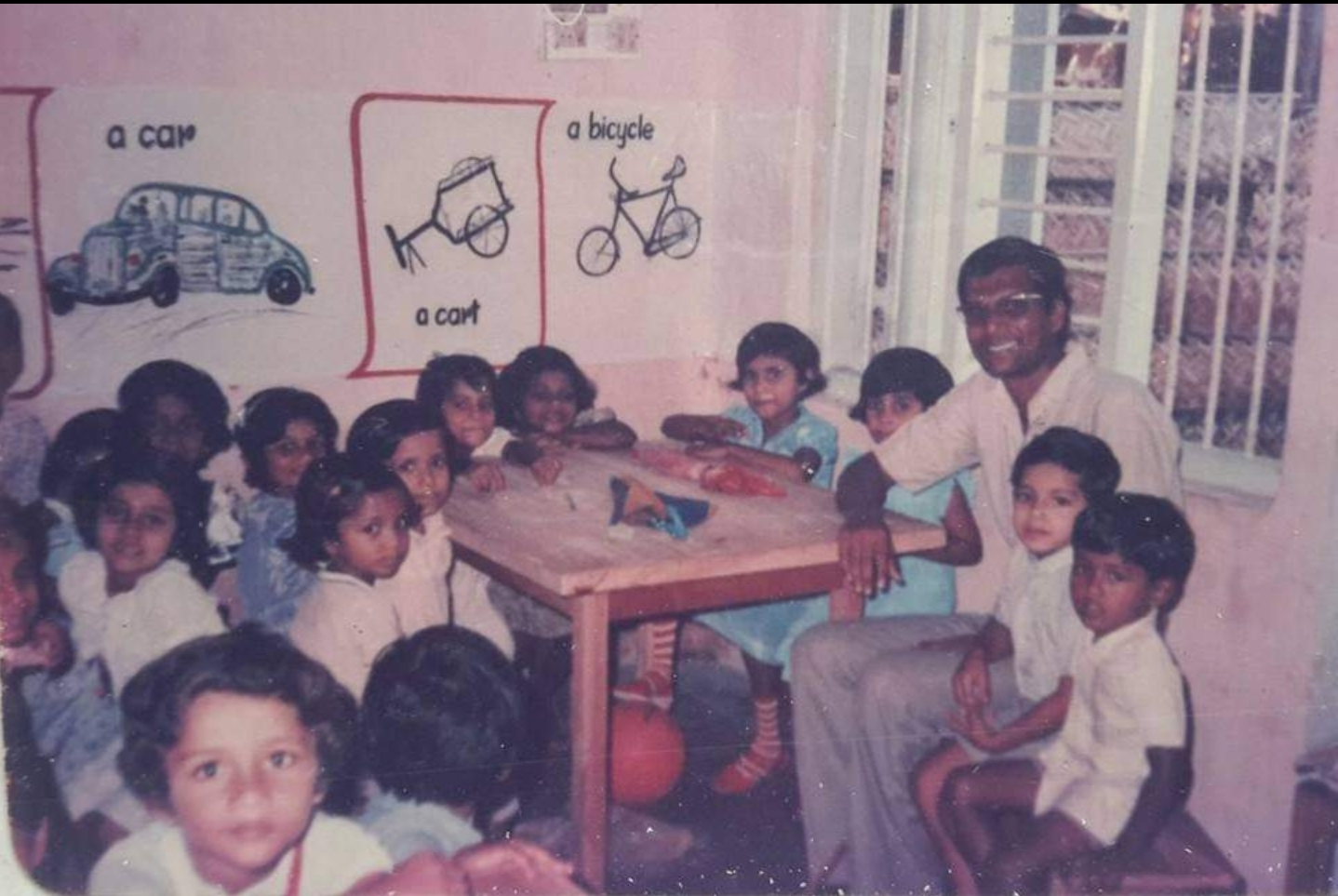
The assassination took place in broad daylight on 1 August 1989 near Uthuman’s home in Akkaraipattu. Gunmen opened fire without restraint, killing not only Uthuman but also Naeem, a promising Advanced Level student from Attalaichenai remembered as a talented marathon runner.

The killing sent shockwaves through Akkaraipattu and surrounding areas, where residents recall the day vividly even today. At that time, A.L.M. Athaullah — later a Cabinet Minister and leader of the National Congress — was serving as a provincial council member, while Cegu Issadeen held the position of Opposition Leader in the North–East Provincial Council.

A Yellow Notice, A Poem, A People’s Memory
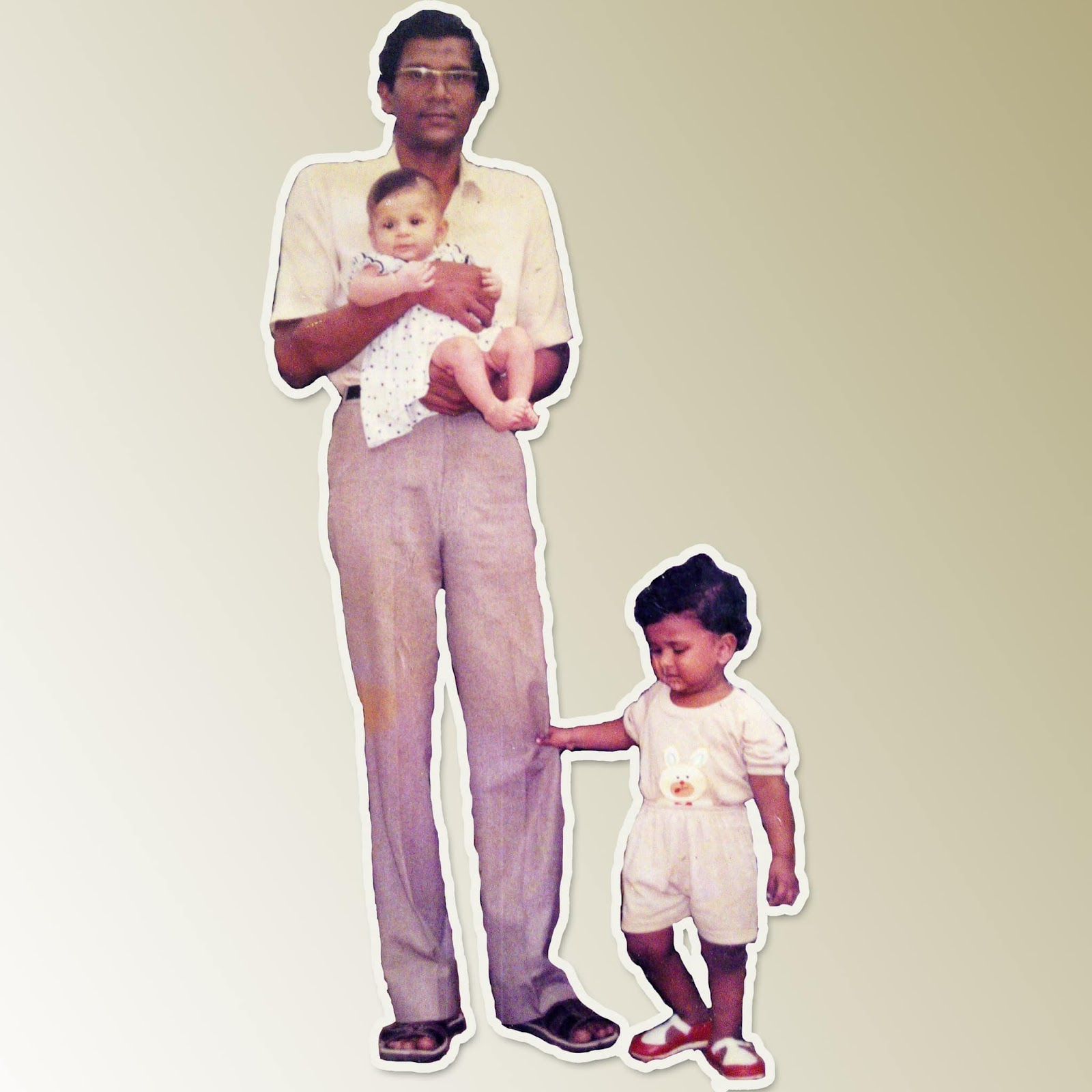
Ali Uthuman with his son and daughter, shortly before his assassination in 1989.

Yet what endures most in collective memory is not only the violence but also the extraordinary cultural response it inspired. In the days that followed, a yellow notice circulated widely, carrying a poem titled “To the Friend Who Stole My Breath.”

Though the poem was authored by M.A. Abuthahir, it was written in the first person as if voiced by the slain Uthuman himself — a message not of vengeance but of forgiveness.

“My friend, you who pierced my head with bullets — I forgive you.

My wife may curse you, my children may weep, my people may condemn you.

But still, truly, I forgive you.”

The notice spread like wildfire across Eastern towns. People who had never read poetry before found themselves quoting lines from the yellow sheet. For many, it felt as though Ali Uthuman had risen once more to speak — consoling his grieving community with words of compassion rather than anger.

Fact and Legacy

While Parliament may misremember or misrepresent the circumstances of his death, the people of Akkaraipattu have not forgotten. They remember both the political reality — that Uthuman was slain by ENDLF gunmen — and the poetic legacy that followed, which turned tragedy into a timeless call for forgiveness.


Share this post

Be the first to know

Join our community and get notified about upcoming stories

Subscribing...
You've been subscribed!
Something went wrong
Jaffna Alumni Honour Classmate Killed at 17 by Building a Study Hall

Jaffna Alumni Honour Classmate Killed at 17 by Building a Study Hall

On a humid morning inside the premises of Jaffna Hindu College, a group of middle-aged men stood quietly as a plaque was unveiled on a newly constructed study hall for hostel students. They were not donors in the conventional sense. They were former classmates — members of the school’s 2001 Advanced Level batch — returning more than a quarter century later to honour a friend whose life was cut short when he was killed by the military during the civil war. The facility, completed at a cost of 1


Our Reporter

Our Reporter

The Cosmic Dance of Shiva: A Journey through Time and Philosophy

The Cosmic Dance of Shiva: A Journey through Time and Philosophy

The temporal evolution of Hindu iconography was the result of changes in the philosophical understanding on the nature of existence and the ability to express these insights through suitable artistic media. In addition to being a source of artistic inspiration these changes also trigger reflection and introspection amongst religious seekers. The journey from the abstract and amorphic Shivalinga through the early anthropomorphic ‘Pasupathi’ of the Indus Valley civilisation and the further exubera


Prof. Mahesh Nirmalan

Prof. Mahesh Nirmalan

The Battle for Elephant Pass – 1991

The Battle for Elephant Pass – 1991

Editor’s Note The Battle of Elephant Pass has long been remembered through differing — and often opposing — narratives. Many Tamils are familiar with the version told from the LTTE’s perspective. The account that follows offers another vantage point: that of a surgeon who was on duty at Palaly during the siege and witnessed its human cost firsthand. It is presented as a personal historical recollection. Documenting multiple perspectives is essential to understanding the full complexity of Sri


Dr. Gamini Goonetilleke

Dr. Gamini Goonetilleke

The Black Day Delusion: How Political Opportunism Is Cannibalising the Tamil Future

The Black Day Delusion: How Political Opportunism Is Cannibalising the Tamil Future

The Ritual of Self-Defeat Once again, on February 4th, as Sri Lanka marked its 78th year of independence from British rule, a familiar theatre of political spectacle unfolded across the North and East. Black flags were hoisted. Placards were raised. Slogans denouncing the Sri Lankan state echoed through the streets of Kilinochchi, Batticaloa, and Jaffna. Tamil political figures — some elected, others self-appointed — declared the day a “Black Day,” a day of mourning and defiance. To the uninit


Kaniyan Pungundran

Kaniyan Pungundran