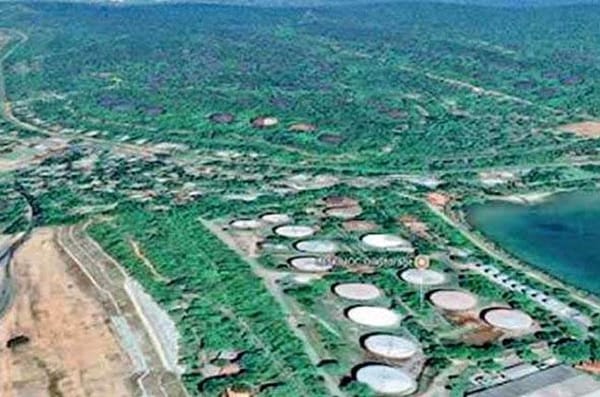
BATTICALOA, Sri Lanka — March 31, 2026 — Authorities have begun excavating a suspected mass grave in eastern Sri Lanka where the remains of more than 170 Muslim civilians — including pilgrims returning from Hajj — are believed to be buried, more than three decades after they were abducted and killed during the country’s civil war.
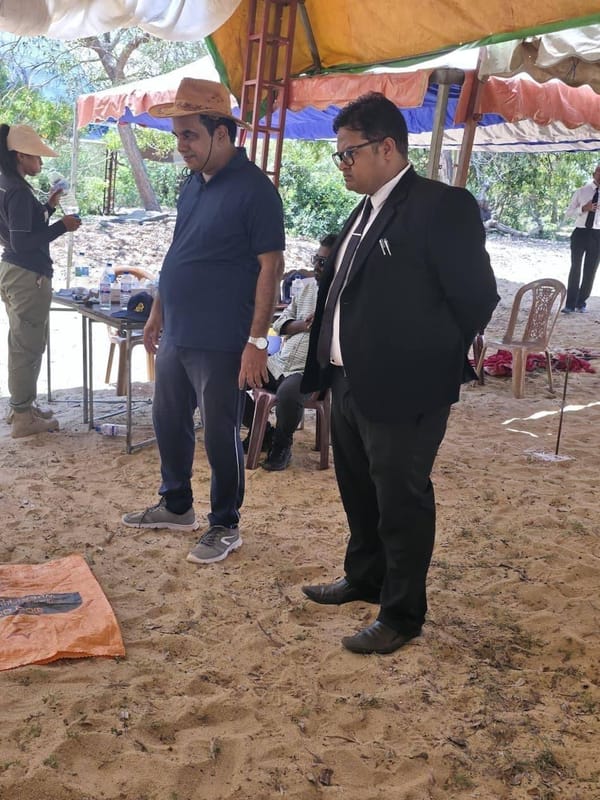
The court-ordered excavation is underway at Kurukkalmadam, in the Kaluwanchikudy police division of Batticaloa district, under the supervision of a magistrate and with forensic specialists present.
For families of the missing, the excavation marks a long-delayed step toward answers after years of uncertainty.
According to testimony presented before multiple government-appointed commissions, the victims were traveling along the Kalmunai–Batticaloa road on July 12, 1990, when they were stopped and abducted by cadres of the Liberation Tigers of Tamil Eelam (LTTE). Among them were Muslim pilgrims returning from Mecca after completing the Hajj.
They were later killed, and their bodies are believed to have been buried at or near the Kurukkalmadam site.
The killings took place during one of the most violent phases of Sri Lanka’s civil war, as the LTTE escalated attacks against Muslim communities in the north and east.
The period was also marked by retaliatory violence and deepening inter-communal tensions, with Tamil civilians in some areas targeted by Muslim home guards and armed groups aligned with the military. In widely cited incidents, Tamil civilians were killed in the eastern district of Batticaloa amid cycles of reprisal violence in the early 1990s.
Relatives of the victims have spent decades seeking the recovery of remains to allow for proper Islamic burial rites, as well as official acknowledgment of what occurred.
“What they want is to bury their dead with dignity,” said a legal advocate working with victims’ families. “That is the most basic form of closure.”
Officials said any human remains and physical evidence recovered during the excavation would be systematically documented and preserved as part of an ongoing forensic investigation. They declined to estimate how many bodies might be found.
Preliminary clearing of the site began a day earlier, with full excavation operations commencing on Sunday. Authorities said the process would proceed methodically under judicial oversight.
Sri Lanka has struggled to address the legacy of its 26-year civil war, which ended in 2009 with the military defeat of the LTTE. Efforts to investigate wartime abuses have repeatedly stalled, while institutions established to address enforced disappearances have faced sustained criticism from victims’ groups over limited progress.