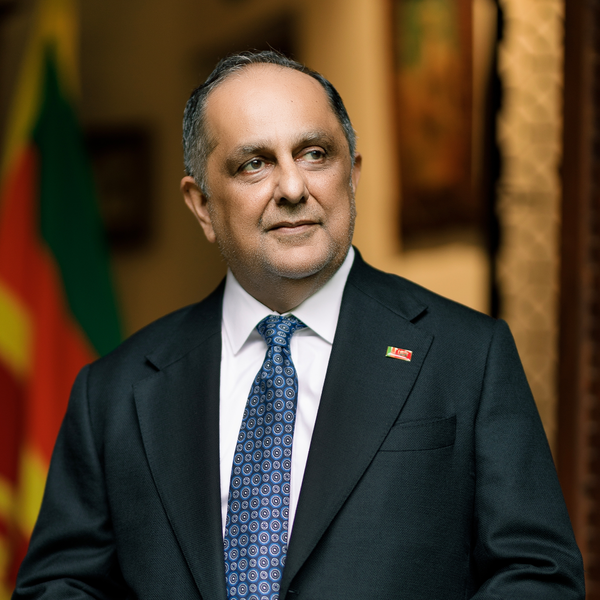
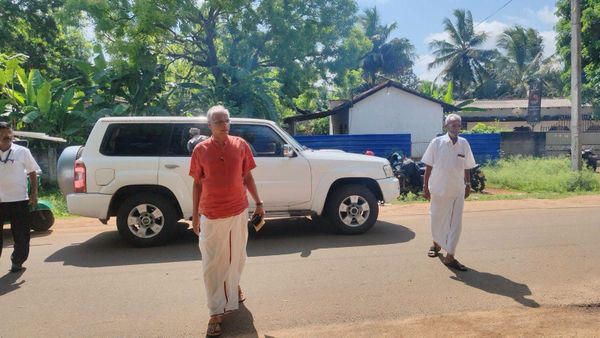
What had long been carefully cultivated as the polished public image of M.A. Sumanthiran, the gentleman politician, constitutional moderate, self-styled peace advocate within Tamil politics, and outspoken critic of violence committed in the name of Tamils, was dramatically shaken during yesterday’s explosive Illankai Tamil Arasu Kachchi (ITAK) central committee meeting in Vavuniya, according to multiple senior party sources who spoke to Jaffna Monitor.
Behind closed doors, the meeting reportedly descended into one of the party’s most chaotic and bitter internal confrontations in recent memory, exposing not merely political divisions within ITAK, but also deepening fractures over religion, personal conduct, ideological direction, and troubling allegations of alcohol-fueled misconduct among some of the party’s senior figures.
Sources present at the meeting alleged that during a heated dispute with former Northern Provincial Council member Kurukularajah over what were described as allegedly falsified meeting minutes, Mr. Sumanthiran became so enraged that he reportedly pulled back a chair and lunged toward Kurukularajah in an apparent attempt to physically assault him.
If accurately described by multiple attendees, the confrontation marked a striking departure from the restrained, legally polished, and disciplined persona Mr. Sumanthiran has projected for years.
S. Sritharan, Sumanthiran’s principal rival within the party and a sitting parliamentarian, was, according to senior participants, equally combative.
Attendees alleged that after witnessing Sumanthiran’s aggressive advance toward Kurukularajah, Mr. Sritharan responded with highly unparliamentary and confrontational language, reportedly shouting phrases such as “மடையா, அடிடா பாப்போம்” (“You fool, hit me and let’s see”), escalating the already volatile exchange into near physical disorder.
Party leadership was ultimately forced to intervene to prevent the confrontation from spiraling further. But the turmoil did not end there.
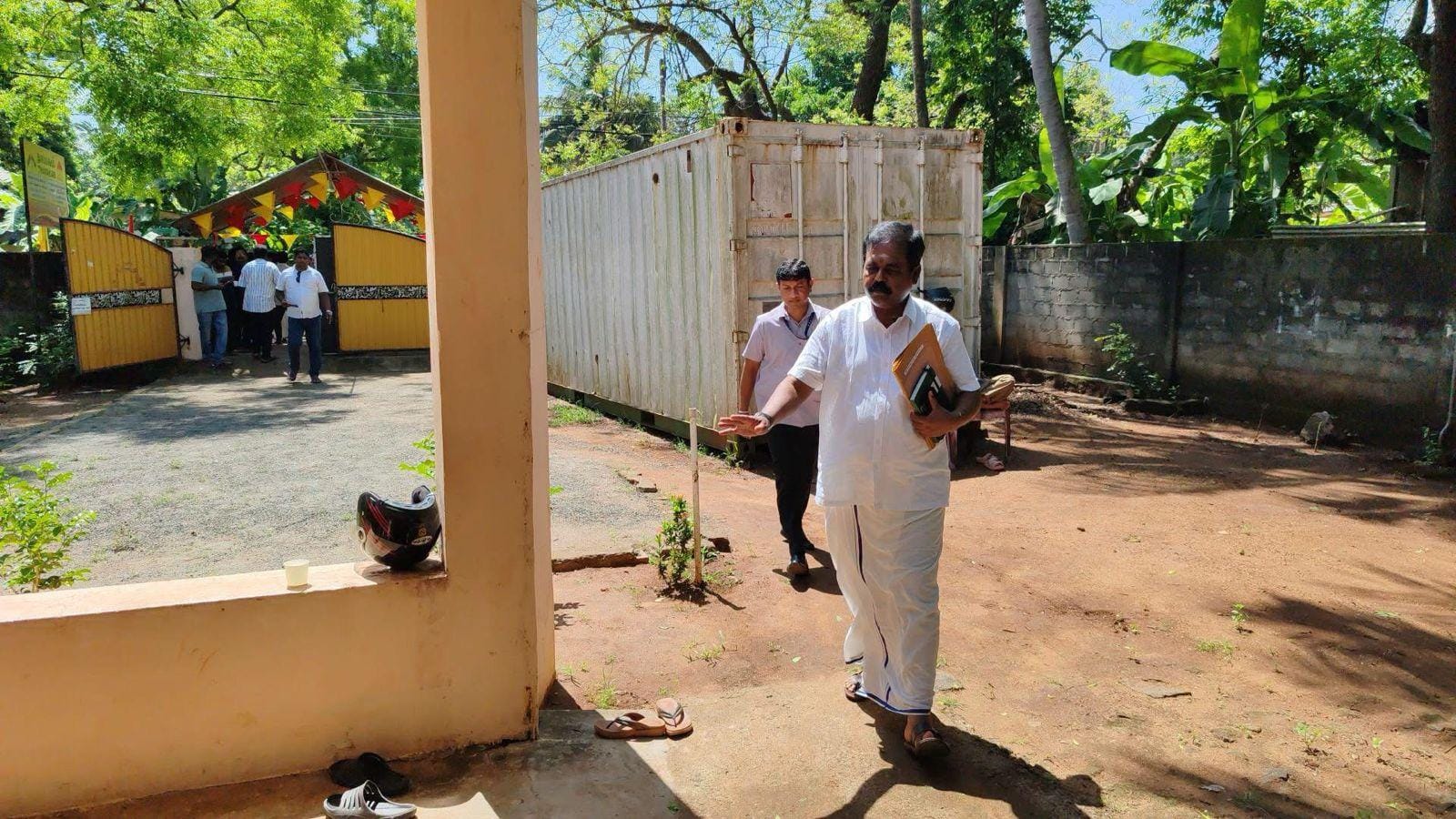
A senior member from Trincomalee reportedly triggered another deeply sensitive fault line by openly accusing Sumanthiran of systematically sidelining Hindu members within the party while promoting individuals associated with the Methodist Church.
The accusation carried particular symbolic and political significance given Sumanthiran’s own Methodist faith and his public role as a Methodist preacher.
Though the religiously charged confrontation was eventually subdued, sources indicated that it exposed simmering anxieties within sections of the party over leadership direction and internal representation.
Attendees also described troubling conduct within Sumanthiran’s immediate faction, alleging that Peter Ilancheliyan, regarded by some within party ranks as a fiercely loyal Sumanthiran ally, arrived at the critical central committee session in an intoxicated state.
If substantiated, such allegations would likely intensify broader concerns regarding discipline, professionalism, and internal standards within sections of the party leadership.
“We do not even allow people to attend OBA meetings, village library gatherings, or ordinary community events in an intoxicated state, yet he was permitted to attend a crucial central committee meeting of a traditional Tamil political party simply because he was a loyal foot soldier of Sumanthiran,” one attendee told Jaffna Monitor sharply.
For many Tamil political observers, the timing of the extraordinary internal rupture has proven especially painful.
The disorder unfolded precisely as Tamils worldwide marked Mullivaikkal Remembrance Week, commemorating the 16th anniversary of the mass civilian deaths that occurred during the final stages of Sri Lanka’s civil war.
For many grassroots supporters, the spectacle of senior Tamil political leaders descending into near physical confrontation during a period of collective mourning represented a deeply unsettling contradiction.
Rather than projecting unity, discipline, or strategic clarity during one of the Tamil community’s most emotionally significant commemorative periods, ITAK’s senior leadership instead appeared consumed by factional infighting, personal vendettas, ideological distrust, and institutional instability.
The meeting ultimately resulted in the formation of a committee comprising the acting leader, administrative secretary, and treasurer to investigate allegations surrounding Sritharan’s Constitutional Council voting controversy.
Sritharan was, according to multiple party sources, not without legitimate grounds for criticism from Sumanthiran’s camp, particularly over allegations that he had facilitated liquor bar permits and voted in favor of certain military-linked appointments within the Constitutional Council.
Several senior sources indicated that at least some of these accusations were considered sufficiently credible within party circles to warrant serious internal scrutiny.