By M.R. Narayan Swamy
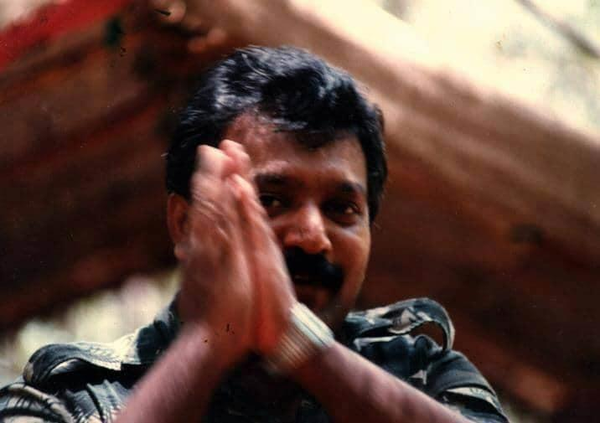
When Velupillai Prabhakaran walked into Chanakya cinema in Delhi in 1985, no one packing the air-conditioned hall could have guessed that this man would soon become one of the world’s most feared and powerful insurgents.
But for his stocky build, there was nothing to distinguish him from the three other Sri Lankan Tamils with him who, away from the war theatre, had decided to see an English movie.
The young men were in Delhi to meet Prime Minister Rajiv Gandhi and his officials in an Indian bid to thrash out bottlenecks in attempts to end a Tamil separatist campaign in Sri Lanka.
On a lighter day in Delhi, someone suggested that they see Lawrence of Arabia, a 1962 Hollywood blockbuster. But at the ticket window, they learnt the movie had been taken off at the theatre only days earlier.
Now that they had made it to Chanakya, located not far from the city’s diplomatic enclave, they decided to watch whatever was being screened. It turned out to be Blue Lagoon, the story of a boy and a girl stranded on a tropical island after a shipwreck.
Prabhakaran and the others also made it to Rajghat, the quaint memorial to Mahatma Gandhi, where the Tamil Tigers chief loudly wondered whether they should all embrace Gandhism, as India was pressing them to make peace with Colombo.
The Prabhakaran of that day in Delhi resembled a normal human being with routine desires. But the 31-year-old was no doubt possessed by a long-standing dream to carve out an independent Tamil state out of Sri Lanka.
This remained a dream.
Prabhakaran had concluded that not only could he achieve his desire, but anyone deemed a roadblock on the Tamil Eelam path had to be eliminated, no question asked.
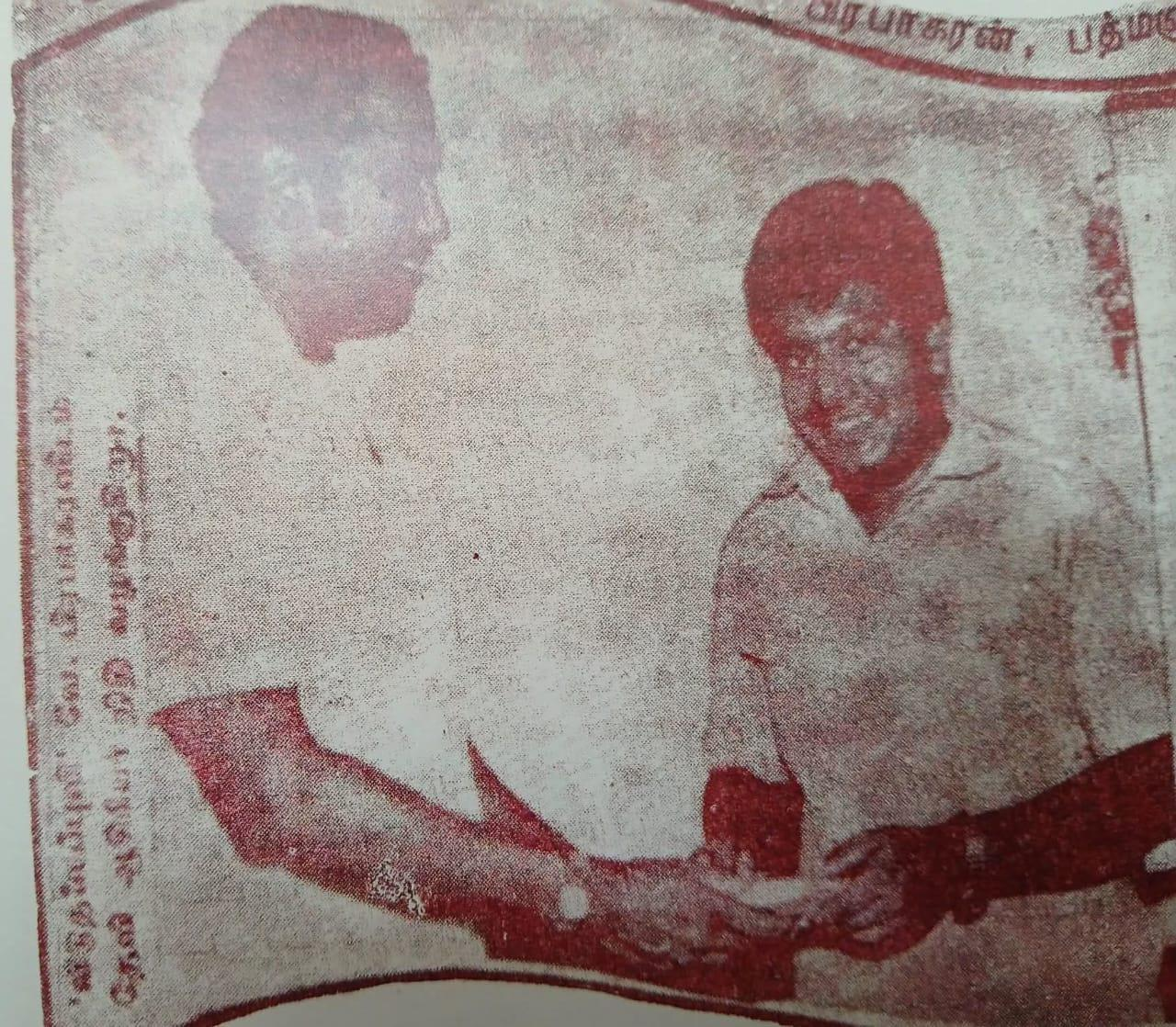
This is why the very next year, the Tigers shot dead Sri Sabarattinam and, a few years later, K. Pathmanabha. The two had been closeted with Prabhakaran at Delhi’s Hotel Diplomat during the 1985 visit. And he also ordered the killing, more than once, of the EPRLF’s Annamalai Varadaraja Perumal, who was one of those with Prabhakaran at the Chanakya cinema.
And just a year after doing away with Pathmanabha, Prabhakaran decided to exterminate the person he met for the first time in 1985: Rajiv Gandhi. Gandhi would later play a much bitter role in Sri Lanka.
The targeted killings never stopped. The victims included VIPs, the not-so-prominent, as well as largely unknown entities. In many cases, it looked like revenge killing. As each person fell, taken out by a bullet or suicide bomber, the Liberation Tigers of Tamil Eelam (LTTE) looked more formidable, more awesome, and more indestructible -- akin to Al Qaeda on 9/11.
As we mark the 17th anniversary of Prabhakaran’s death in May 2026, it is pertinent to ask: Could a man obsessed by killing anyone seen as a threat, however remote, have ever succeeded in his larger mission to form a Tamil homeland?
With the benefit of hindsight, it can be said authoritatively that Prabhakaran could never have achieved his objective because he lacked a larger vision. His lack of strategic acumen made him believe that every contradiction needed to be resolved only by the gun. He failed to grasp that an uncompromising refusal to yield was not a mark of greatness, but could one day result in wholesale destruction. Only a handful of people understood this trait in Prabhakaran; most, both friends and foes, could not grasp it.
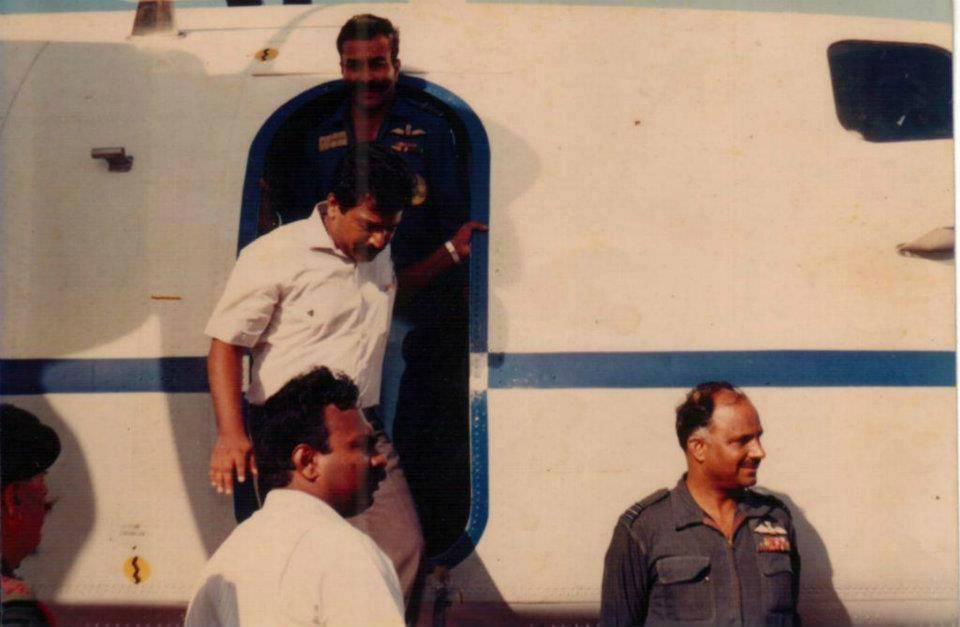
The reason was that no one paid too much attention to Prabhakaran’s personality during those turbulent early years. The pledge of silence that he extracted from his confidants also meant that much of his thinking remained secret. Those who quit the LTTE maintained an omertà-like code of silence.
It was because the Indian and Sri Lankan states failed to carry out an informed and detailed personality profile of the insurgent that Rajiv Gandhi trusted him, even months before the Tigers began waging war against the Indian Army, and that President Ranasinghe Premadasa failed to fathom that a man whose armoury he was blindly enriching would one day backstab him without mercy.
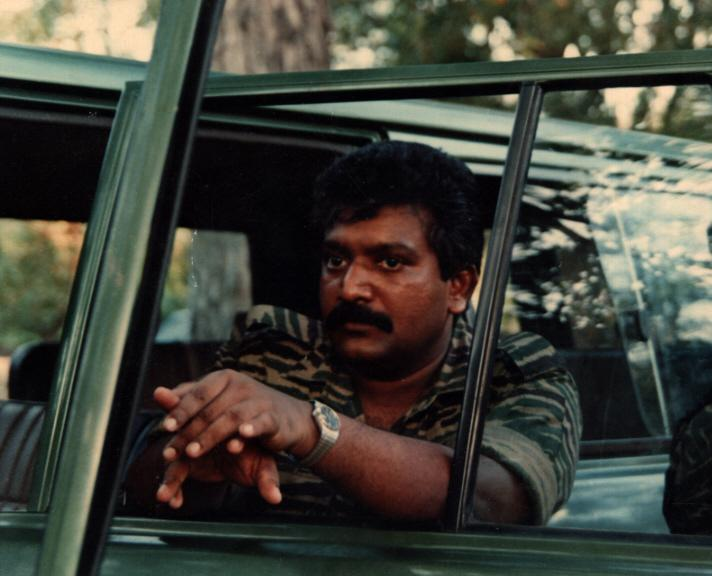
The failure in Sri Lanka was evident when a senior intelligence officer met me in Colombo just months after my unauthorized biography of Prabhakaran was published in late 2003.
Over black coffee, the officer told me that he had read the book more than once and that although he had been hunting for Prabhakaran for over 25 years, “I only knew a quarter of what you have written about him”.
Assuming he was not exaggerating, I was happy over the compliment but shocked. Although my research spanned four countries across three continents, I earned the bulk of the knowledge from publicly available sources, including those who had known Prabhakaran for long years and spoke on the strict condition of anonymity – for their own safety.
If I could unearth all this, surely the Sri Lankan state, with so much more in its command, could have done far better any day.
India fared no better. Even after he had Rajiv Gandhi blown up by a suicide bomber, a section of India’s intelligence shockingly struggled to accept that Prabhakaran could have ordered the ghastly crime.
The fact is that Prabhakaran always possessed a personality that could justify the worst, including the killing of perfectly innocent non-combatants, children included, just because they were of a different ethnic shade or because they did not subscribe to his thinking.
Human values did not have a place in this scheme of things. Yes, he did have shades of normality – as a husband, as a father, and, at times, as a leader -- but those were exceptions.
This is why he so coolly ordered the massacre of Buddhist pilgrims in the sacred city of Anuradhapura. It did not matter to him that the Tamil armed struggle lost its moral legitimacy that day in 1985.
The mass killing of militants from the rival Tamil Eelam Liberation Organisation (TELO) the next year in Jaffna and elsewhere was a logical corollary to the Anuradhapura bloodbath.
Much later, the Tigers would mow down scores of worshippers in mosques in Sri Lanka’s east. The Tigers also forcibly took away Tamil children, often from impoverished families, to fight the war, even as many of those who carried out the conscription helped their own children to flee Sri Lanka.
Prabhakaran’s blind supporters cheered him wildly, further emboldening him.
As cockiness – an outcome of arrogance, a belief he could never be defeated -- got the better of him, the Tiger boss spurned one opportunity after another to shake hands with Colombo.
This is why Anton Balasingham, once his trusted aide, complained to anyone who would listen before passing away in December 2006 that Prabhakaran, surrounded mostly by yes men, had stopped heeding to reason. Balasingham was frustrated because he could no more influence the Tiger boss from London.
In the eventuality, a man who had vowed to resurrect the Tamil community in Sri Lanka could not save himself and his own family. His own edict on biting the cyanide to avoid capture by the enemy was ignored by thousands of Tigers who surrendered to the military.
All this does not mean that the Sri Lankan state committed no blunders in its conduct. It did, and in plenty.
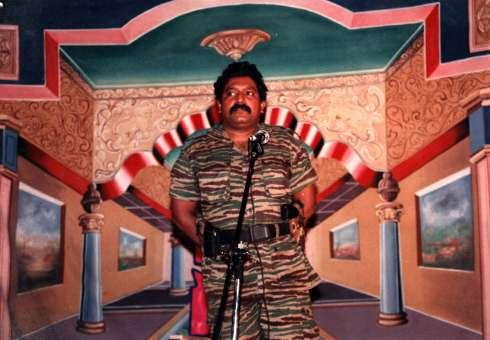
But a revolutionary leader is one who can gauge what could be the best possible, even if not the most ideal, solution to strife and how to achieve it, even if he has to take one or two steps back. Yes, Prabhakaran died fighting, but is that something to crow about when tens of thousands of Tamil civilians had to endure hunger, humiliation, and torture for believing in the messiah?
Prabhakaran may be dead, but those who still swear by him are themselves prisoners of his worldview. This is why they blame everyone, from Karuna to M.K. Stalin, for the Tamil Tigers’ debacle.
The primary blame for the LTTE’s shattering military defeat and the mess the Tamils in Sri Lanka are now in should be laid at the doors of Prabhakaran and his overseas backers, who willingly funded him and also fed him false promises about Western intervention in Sri Lanka’s war. It never happened.