
Seventeen years after the end of Sri Lanka’s civil war, reconciliation remains more slogan than substance. It is invoked in speeches, embedded in policy frameworks, and repeated in international forums, but for many citizens, particularly in the North and East, it has yet to translate into meaningful, lived change.
The uncomfortable truth is this: Sri Lanka does not suffer from a lack of reconciliation mechanisms. It suffers from a lack of political will, consistency, and sustained execution. Reconciliation has been reduced to a familiar cycle: announce, delay, dilute, repeat. Meanwhile, communities continue to live with unresolved grievances, economic marginalization, and a lingering sense of exclusion. If reconciliation is to mean anything, this cycle must be broken.
Reconciliation cannot Be Engineered from a Distance.
Too often, reconciliation is conceptualized in Colombo and delivered to the periphery as a finished product. This top-down approach has consistently failed to build trust. Policies crafted without meaningful engagement with affected communities risk becoming detached from reality.
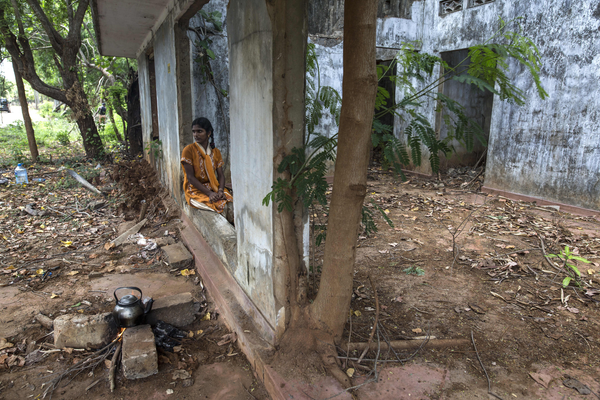
For people in Jaffna, Mullaitivu, Kilinochchi, and other war-affected areas, reconciliation is not about statements or symbolic gestures. It is about land, livelihoods, dignity, and equal opportunity. It is about whether the state is seen as fair, responsive, and inclusive.
Reconciliation that is not felt at the grassroots level is not reconciliation at all, it is political branding.
Moments of Crisis Expose Underlying Fault Lines
Sri Lanka’s social fractures do not disappear with time; they resurface during moments of national stress. This was clearly evident after the 2019 Easter Sunday attacks, when fear and suspicion once again threatened to divide communities along ethnic and religious lines.
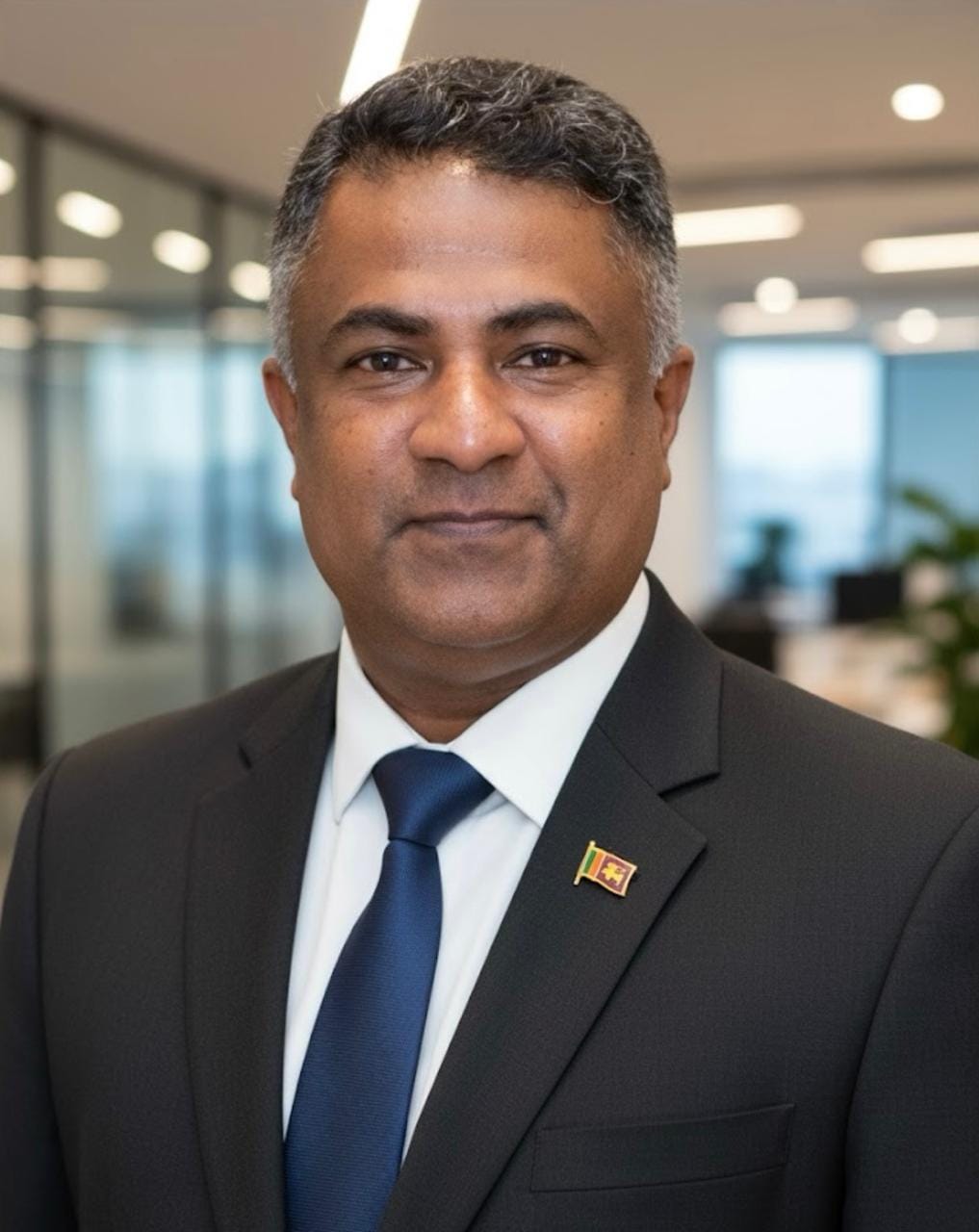
As a military officer engaged in ground-level operations during this period, I had the opportunity to interact closely with both Sinhala and Muslim communities. Through a series of security awareness programmes and public engagements conducted across nearly 50 schools in Colombo and Puttalam, the focus extended beyond maintaining security.
These engagements became platforms for dialogue. They addressed fear, countered misinformation, and, most importantly, helped restore a sense of reassurance among communities that had begun to view each other with mistrust. The experience reinforced a critical insight: when given the opportunity to engage openly, communities are far more willing to coexist than often assumed.
What hinders reconciliation is not an inherent unwillingness among people; it is the absence of sustained, structured opportunities for interaction, and the inconsistency of institutional support.
Economic Inequality Undermines Social Cohesion
Reconciliation cannot take root in conditions of economic disparity. War-affected regions, particularly in the North and East, continue to face structural disadvantages, higher unemployment, limited investment, and restricted access to economic opportunities.
Development, in this context, must go beyond visible infrastructure. While roads and buildings are important, they do not, in themselves, reconcile communities. What matters is whether individuals have access to livelihoods, whether youth see a future within their own regions, and whether economic systems are inclusive.
Economic marginalization fuels resentment and reinforces perceptions of inequality. Addressing this imbalance is not simply a matter of development policy; it is central to reconciliation and long-term national stability.
The Deficit of Courage in Leadership
Sri Lanka does not lack leaders who speak about unity and reconciliation. What it lacks is leadership willing to move beyond safe, politically convenient language and take decisive, sometimes uncomfortable, action.
Reconciliation requires honesty, acknowledging the suffering experienced by all communities without defensiveness or denial. It requires consistency, ensuring that commitments are followed through with measurable outcomes. And above all, it requires courage, the willingness to confront entrenched narratives and challenge divisive rhetoric.
This responsibility does not rest solely with political leaders. Professionals, educators, media institutions, and civil society actors all play a role in shaping public discourse. Silence in the face of division is not neutrality; it is a failure of responsibility.
Building a Shared National Identity
Sri Lanka often speaks of unity in diversity. Yet, unity cannot be built on unequal ground. A shared national identity requires more than coexistence; it requires inclusion, fairness, and mutual respect. Language rights, cultural recognition, and equal access to opportunity must be treated as fundamental rights, not political concessions. When communities feel equally valued, the idea of nationhood becomes stronger and more resilient. Reconciliation, in this sense, is not only about addressing the past, but it is also about shaping a future where divisions are not reproduced.
From Process to Outcomes
One of the fundamental weaknesses in Sri Lanka’s reconciliation efforts has been an overemphasis on process rather than outcomes. Commissions are established, reports are produced, and discussions are held, but the translation of these into tangible improvements in people’s lives remains limited.
Communities do not measure reconciliation by the number of initiatives launched. They measure it by results, whether land disputes are resolved, whether economic opportunities improve, whether justice mechanisms function effectively, and whether institutions treat all citizens equally. Without visible progress, even well-intentioned initiatives lose credibility.
A Narrowing Window of Opportunity
Sri Lanka is now at a critical juncture. The passage of time has not erased the need for reconciliation; in many ways, it has made it more urgent. Each delay deepens mistrust and risks entrenching divisions further. The lessons from both conflict and crisis are clear: unresolved tensions do not disappear; they evolve, often in unpredictable ways. The cost of inaction is not static; it grows over time. The country therefore, faces a clear choice. It can continue to manage reconciliation as a recurring political narrative, or it can commit to it as a national priority with clear benchmarks, accountability, and sustained effort.
Conclusion: The Demand for Results
Reconciliation in Sri Lanka cannot remain an aspiration. It must become a reality that is visible, measurable, and consistent across all regions and communities. The experience of engaging communities during times of tension demonstrates that the foundation for reconciliation already exists among the people. What is required is leadership and institutional commitment to build upon that foundation. Sri Lanka does not need another reconciliation framework, another commission, or another statement of intent. It needs results.