By M.R. Narayan Swamy
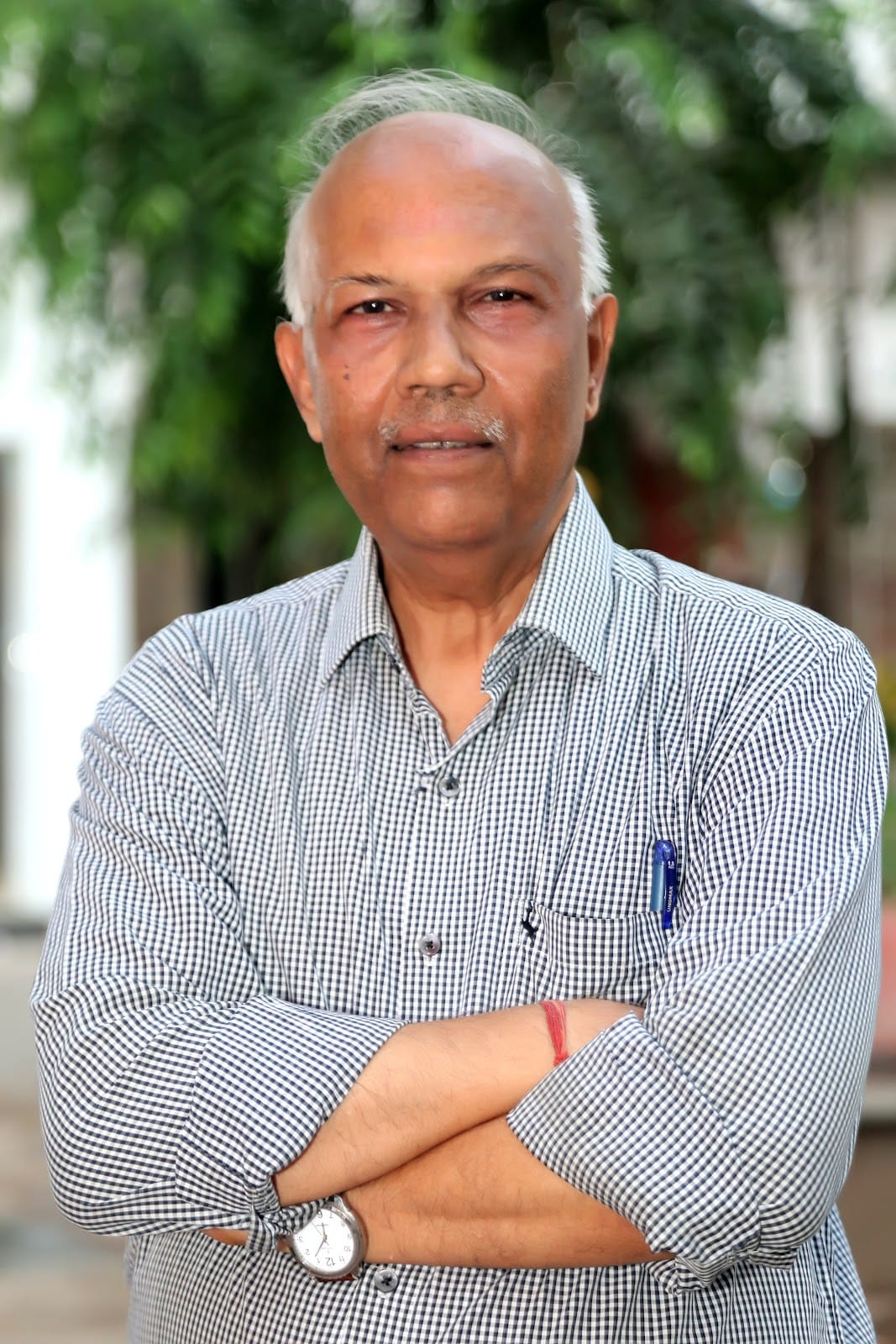
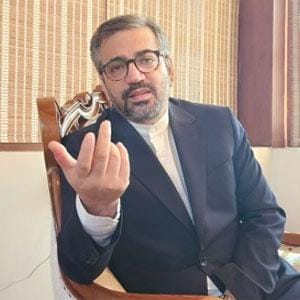
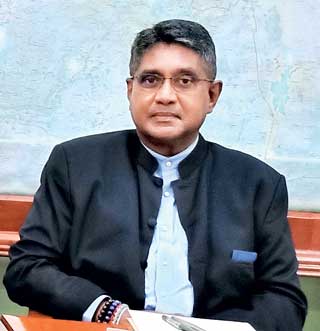
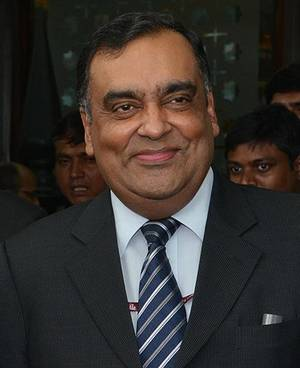
“The fishermen issue is an unnecessary irritant that has been allowed to fester for too long,” says Yashvardhan Kumar Sinha, a former Indian High Commissioner to Sri Lanka, hitting the nail on the head. A diplomat who has studied the dispute from close quarters, Sinha made the comment in a just-released book on India-Sri Lanka relations.
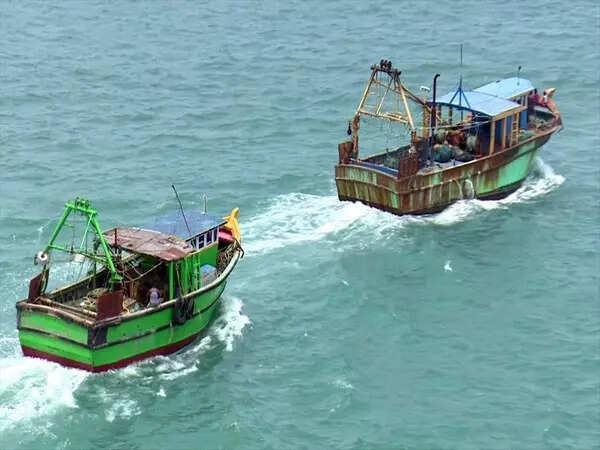
Like many other Indians, Sinha is aghast that bottom trawlers from Tamil Nadu are causing enormous and lasting environmental destruction on both sides of the Palk Strait, dividing India and Sri Lanka, and are at the root of illegal intrusions into Sri Lankan waters. Calling the dragging row a “festering wound”, he warns that it has the potential to bedevil blossoming bilateral relations.
What happened on April 26 off the coast of Nagapattinam in Tamil Nadu is the latest and ugliest flashpoint in the quarrel involving fishermen from India and Sri Lanka, which has dragged on for long years with no resolution in sight.
The audacious abduction of a Jaffna fisherman to Tamil Nadu and his thrashing by his counterparts in the Indian state has predictably triggered disgust and anger in Sri Lanka, particularly among the fishing communities along the island nation’s winding northern coast.
Sri Lanka’s Fisheries Minister, Ramalingam Chandrasekar, has warned that the unprecedented incident was a brazen violation of human rights and could impact bilateral relations. He called for exemplary punishment for the Indian fishermen who seized and attacked the 29-year-old Sri Lankan, who is now hospitalized in Tamil Nadu with multiple injuries.
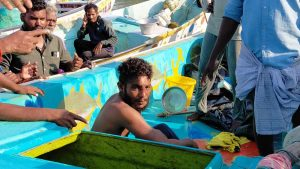
Media reports quoted Indian authorities and Sri Lankan fishermen groups as saying that the fisherman needed as many as 15 stitches for injuries to his head, nose, limbs, and ankles.
Indian accounts allege that at least two Sri Lankan Tamil fishermen boarded an Indian fishing vessel in the sea and indulged in violence. According to this version, the Tamil Nadu fishermen fought back and overpowered one of them while his associate escaped.
A video showing the Sri Lankan, badly injured, seated uncomfortably in a colourful stationary Indian boat on the Indian coast, surrounded by Tamil Nadu fishermen, has only added fuel to the fire.
Fishermen communities in Sri Lanka dispute this rendition, saying it was highly unlikely that two of their compatriots would have dared to take on a larger group of Indians in the sea, fully knowing it would be an unequal fight.
Former Sri Lankan fisheries minister Douglas Devananda said there was mounting anger among the island’s Tamil fishermen over the high-handedness in Tamil Nadu, including the unending use of bottom trawlers in Sri Lankan waters in violation of Colombo’s laws.
“Our people cannot understand why this Indian aggression cannot stop,” said Devananda, a former Tamil militant. “It is because of these long years of frustration in this country that so many Tamil fishermen voted for the JVP in the last parliamentary election.”
Authorities on both sides admit that the main reason why fishing communities in the two countries have been at loggerheads for years is due to the depletion of precious marine life in the narrow sea between Sri Lanka and Tamil Nadu.
More important, however, is the widespread use of bottom trawlers, each costing at least 5 million Indian rupees, which have wreaked havoc on marine life in the Palk Strait — first on the Indian side and now increasingly closer to Sri Lanka’s coast.
Devananda, who served as the fisheries minister from 2019 to 2024, said Indian authorities have failed to stop the Tamil Nadu bottom trawlers probably because their owners are politically well-connected.
“Whenever we have spoken to Indian leaders, (External Affairs Minister S) Jaishankar included, they say this needs to be discussed with the Tamil Nadu government and that they (New Delhi) can facilitate a dialogue,” he said in an interview.
“I myself have spoken many times to Tamil Nadu leaders, including TR Baalu, Kanimozhi… even (Chief Minister M.K.) Stalin. But nothing happens.”
Sri Lankan officials estimate that Indian trawlers poaching in Sri Lankan territorial waters cause losses of up to $50 million annually, placing roughly 30,000 fishermen in northern Sri Lanka at a major disadvantage.
The trawlers deplete marine resources and prevent locals from fishing, causing severe economic hardship. In comparison to Indian fishing vessel owners, their Tamil counterparts in Sri Lanka — from Mannar to Mullaitivu districts — are far less well off.
For many years, while civil war raged in Sri Lanka, authorities in Colombo banned fishing activities along the northern coast. When the war ended in 2009, local fishermen rejoiced. Unfortunately, hundreds of mechanized trawlers from Tamil Nadu soon began encroaching into Sri Lankan waters, scraping the seabed and capturing everything in their path.
Since then, despite many rounds of talks between the two countries, the problem has assumed major and serious proportions.
Experts say the slow-moving trawlers destroy coral reefs and seagrass beds, which serve as fish nurseries, causing long-term damage to marine ecosystems. Indian trawlers are also known to frequently operate at night, cutting through local fishermen’s nets.
The continuing fight for the increasingly depleting marine life leads to clashes between Tamil Nadu fishermen and Sri Lanka’s Navy (which frequently arrests Indian intruders) on the one hand, as well as between Tamil Nadu and Sri Lankan fishermen, both Tamils, on the other.
Every time arrests are made, Tamil Nadu politicians put pressure on the central Indian government to have them released.
Frustrated Sri Lankan authorities have started disposing of Indian trawlers seized in Sri Lankan waters.
Some years back, Devananda, as the fisheries minister, asked India to compensate Sri Lankan fishermen to the tune of Rs 500 million. India rejected the demand.
Fishermen leader Jason Figurado has warned in Mannar that the use of violence by Indian fishermen could force some of his colleagues to resort to similar measures.
Francis Ithayaraja, a leader of fishermen in Jaffna, admitted that some Sri Lankan fishing boats occasionally drifted into Indian waters due to mechanical failures or water currents.
“But fishermen from India routinely cross into our waters to engage in bottom trawling, knowing they are violating Sri Lanka’s laws and causing terrible environmental damage,” he added.
Another fisherman in Jaffna said, “Would Indian trawlers dare do such things in Pakistani waters? Would they have been so brazen if the LTTE had been in control of the north-east of Sri Lanka?”
“This is a serious problem, but it is not being tackled the way it should be,” said Devananda. “It seems to show no signs of ending.”
He said the owners of the bottom trawlers in Tamil Nadu force their employees not to return from the sea without a minimum catch.
“Since quality catch is hardly available in Indian waters due to the destruction already caused there by the trawlers, they enter Sri Lankan waters,” he explained. “Other Tamil Nadu fishermen copy them. Our people resist them. This is the reality.”
Like fishing leaders, Devananda also said that Tamil Nadu fishermen should not have assaulted the Jaffna fisherman, even if he had done something wrong.
“He could have been punished according to law,” he said. “But they have tortured him. Is this right? What if our people do the same? Where will all this end?”
On his part, retired Indian diplomat Sinha has called for concerted efforts by the Indian as well as Tamil Nadu and Puducherry state governments to find a permanent solution to the escalating row.
“Moreover, Indian fishermen are being arrested well inside Sri Lankan waters near Delft Island and even closer to Sri Lanka’s northern coastline,” he said, in an honest admission of where the problem lies.
India, more than Sri Lanka, needs to act fast. The seizure and brutal assault of a Sri Lankan fisherman has ignited passions that will not fade easily, while also damaging India’s image. Unless Indian officials show the political will to end this dispute, it could take a dangerous turn for the worse one unexpected day.