
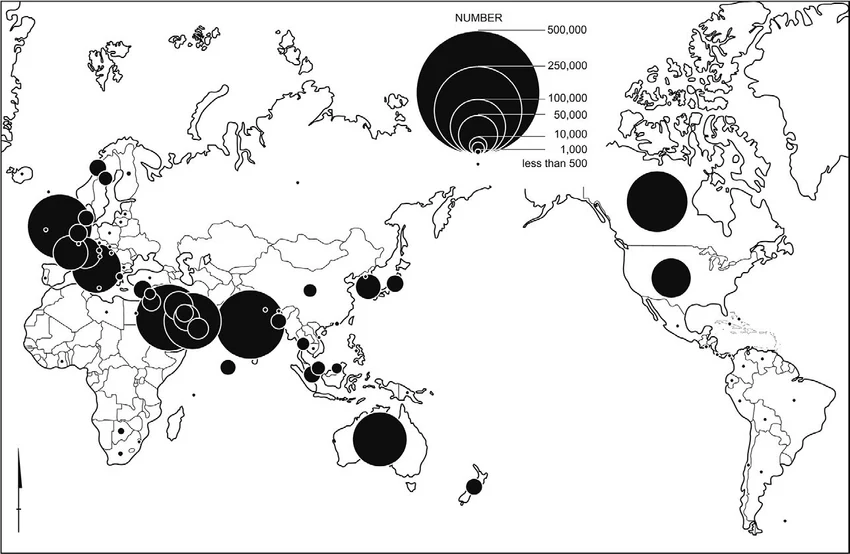
The Tamil diaspora has long been an integral part of Jaffna’s social, economic, and cultural landscape. Spread across countries such as Canada, the United Kingdom, Australia, and parts of Europe, this global community has maintained strong and enduring ties with Northern Sri Lanka. These connections have been expressed through family relationships, financial support, cultural exchange, and political engagement.
During periods of conflict and immediate post-war recovery, diaspora contributions played a significant role in supporting communities in Jaffna. Remittances provided economic stability for many households, while humanitarian assistance helped address urgent needs. Advocacy efforts at the international level also brought attention to the challenges faced by civilians in the region.
As Jaffna continues to transition within a post-conflict environment, the broader context in which diaspora engagement takes place is gradually changing. Development priorities are evolving, and so too are the expectations placed on both local stakeholders and overseas communities.
One aspect of this evolving relationship involves differing perspectives within the diaspora itself. While many individuals and organizations focus on humanitarian and development-oriented initiatives, some continue to engage with political narratives shaped by the conflict period, including those associated with the Liberation Tigers of Tamil Eelam (LTTE). These perspectives are often rooted in personal histories and collective memory, reflecting experiences of displacement, loss, and unresolved grievances.
At the same time, there is increasing recognition—both within Jaffna and among sections of the diaspora—that present-day challenges require approaches that are distinct from those of the past. Economic development, education, healthcare, and infrastructure have emerged as key areas of focus for communities seeking long-term stability and growth.
Jaffna today is characterized by a population that is both resilient and forward-looking. A significant proportion of its residents, particularly younger generations, have grown up after the end of the conflict. Their priorities tend to center on access to education, employment opportunities, technological connectivity, and social mobility. These aspirations are shaped not only by local realities but also by global influences, including digital media and international migration trends.
In this context, diaspora engagement has the potential to contribute in ways that align closely with current development needs. Financial remittances remain an important source of income for many families, but there is also growing interest in more structured forms of investment. These include support for small and medium enterprises, participation in local business ventures, and funding for community-based projects.
Education represents another key area where diaspora involvement can have a meaningful impact. Jaffna has a longstanding reputation for valuing academic achievement, and many diaspora members have themselves benefited from educational opportunities abroad. Partnerships between overseas professionals and local institutions can help expand access to knowledge, introduce new skills, and strengthen capacity in areas such as science, technology, and entrepreneurship.
In addition, healthcare and social services continue to benefit from diaspora support. Contributions to hospitals, mental health initiatives, and social welfare programs have helped address gaps in public services. These efforts are particularly important in a region where the long-term effects of conflict are still being addressed.
At the same time, effective engagement requires careful consideration of local contexts. Development initiatives are most sustainable when they are aligned with community priorities and implemented in collaboration with local stakeholders. This includes consultation with civil society organizations, local authorities, and community members to ensure that projects are relevant and inclusive.
Another important dimension is communication. The way Jaffna is represented in diaspora media, social platforms, and advocacy spaces can influence perceptions both within and outside Sri Lanka. Balanced narratives that reflect current realities, alongside historical context—can contribute to a more comprehensive understanding of the region.
It is also important to note that perspectives within Jaffna itself are diverse. Different communities and individuals may hold varying views on development priorities, political engagement, and the role of external actors. Recognizing this diversity is essential in avoiding one-dimensional approaches and ensuring that multiple voices are heard.
The relationship between memory and development is a particularly sensitive area. The legacy of conflict remains a significant part of collective identity for many people, both locally and within the diaspora. Efforts to address issues related to accountability, reconciliation, and historical understanding continue to be part of broader national and international discussions.
At the same time, there is an increasing emphasis on forward-looking initiatives that focus on improving living standards and expanding opportunities. These two dimensions—acknowledging the past and building for the future, are not mutually exclusive, but balancing them requires thoughtful engagement.
From a policy perspective, there are opportunities to further facilitate constructive diaspora involvement. Measures that promote transparency, ease of investment, and regulatory clarity can encourage more structured and sustained contributions. At the same time, safeguards are necessary to ensure that development efforts are equitable and benefit a wide range of communities.
Collaboration between local institutions and diaspora networks can also be strengthened through formal partnerships. Academic exchanges, business forums, and cultural programs can serve as platforms for knowledge sharing and mutual understanding. Such initiatives can help bridge gaps between local needs and global expertise.
In recent years, there have been examples of diaspora-led projects that reflect this evolving approach. These include technology training programs, support for women-led enterprises, and initiatives aimed at promoting sustainable agriculture. While varying in scale, these efforts illustrate the potential for diaspora engagement to contribute to long-term development.
Looking ahead, the role of the diaspora in Jaffna is likely to remain significant. However, the nature of that role will continue to adapt in response to changing circumstances. As new generations emerge, both within Sri Lanka and abroad—there may be shifts in priorities, perspectives, and methods of engagement.
For many observers, the key question is how to ensure that diaspora contributions are aligned with the needs and aspirations of communities in Jaffna today. This involves not only the allocation of resources but also the approach taken in designing and implementing initiatives.
A focus on inclusivity, sustainability, and collaboration can help maximize the positive impact of diaspora involvement. This includes supporting projects that create employment, enhance skills, and strengthen local institutions. It also involves fostering dialogue between different stakeholders to build trust and shared understanding.
In this context, reducing emphasis on divisive or conflict-centered narratives may create more space for constructive engagement. While historical perspectives remain important, a balanced approach that incorporates present-day realities can support more effective development outcomes.
Ultimately, Jaffna’s ongoing transition reflects a broader process of change within Sri Lanka. The region’s future will be shaped by a combination of local efforts, national policies, and international connections, including those maintained by the diaspora.
By adapting to evolving circumstances and focusing on practical areas of cooperation, diaspora communities can continue to play a meaningful role in supporting Jaffna’s development. Their contributions, when aligned with local priorities—have the potential to enhance economic opportunities, strengthen social services, and contribute to long-term stability.
As this relationship continues to develop, maintaining open channels of communication and mutual understanding will be essential. In doing so, both Jaffna and its diaspora can work toward shared goals that reflect the needs of the present while remaining mindful of the past.
Writer Colonel Nalin Herath was the former DG INSS and Military Spokesman