

JAFFNA, Sri Lanka — The future of ongoing excavations at the Chemmani mass grave site in northern Sri Lanka will depend on the results of a fresh round of ground-penetrating radar (GPR) scans after currently identified human skeletal remains are fully exhumed, according to a lawyer representing families of the disappeared.
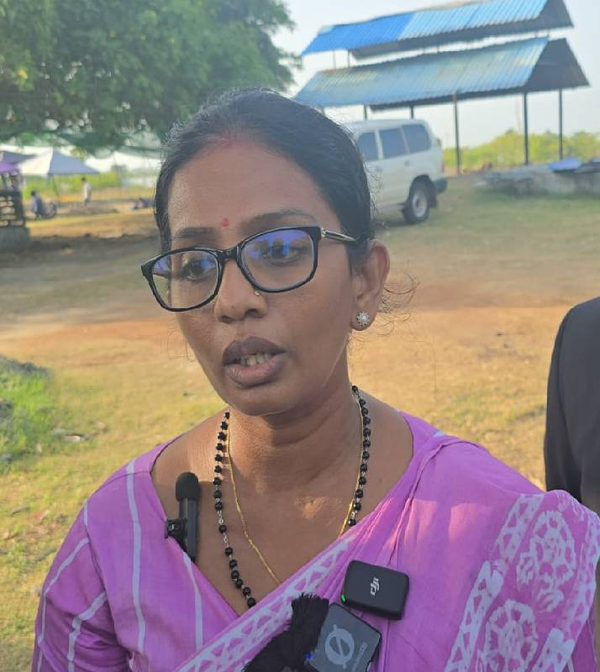
Attorney Ranitha Gnanarajah, who appears on behalf of relatives in the long-running Chemmani mass grave case, said investigators are presently focused on excavating areas within the Siddhupathi Hindu cemetery where earlier scans indicated the likely presence of human remains.
The excavation, now in its third phase, follows GPR surveys conducted in August last year with technical assistance from the University of Sri Jayewardenepura.
“Only after all skeletal remains currently identified through the scans are fully excavated can authorities determine whether additional human remains may exist elsewhere in the area,” Ms. Gnanarajah told reporters.
She said a new round of GPR testing would be essential to confirm whether further burial sites remain undiscovered.
“The future course of excavation will be decided based on the findings of that new examination,” she said.
The Chemmani site has long been associated with allegations of wartime disappearances and extrajudicial killings dating back to Sri Lanka’s civil conflict, making the excavation process highly significant for families seeking truth and accountability decades after the war.
The renewed forensic investigation is being closely watched by human rights advocates, legal observers, and affected communities, who see it as a crucial test of Sri Lanka’s willingness to address unresolved atrocities from its violent past.