By: M.R. Narayan Swamy
Even as many Tamils who fled Sri Lanka to escape the ethnic conflict want to settle down in India, those who seek to return to their homes are facing numerous governmental challenges in the island nation, a leading NGO based in India says.
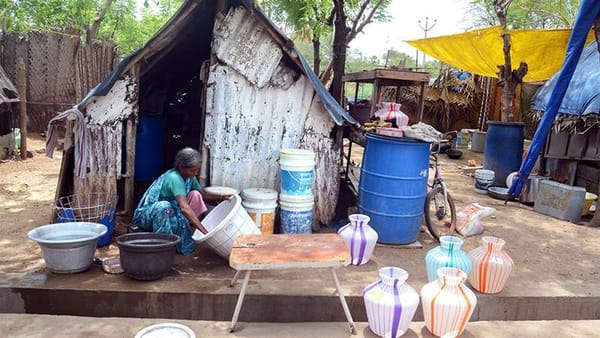
An estimated 58,000 Tamil refugees are spread across 105 camps set up by Indian authorities in 29 districts of Tamil Nadu, while another 30-40,000 live on their own in the southern state separated from Sri Lanka by a narrow strip of sea.
Chandrahasan Ilangovan of the Organisation for Eelam Refugees Rehabilitation (OfERR) says a third of those in the camps want to remain in India, another third wants to go back to Sri Lanka and the rest is divided about the future.
But Ilangovan, whose now-ailing father S.C. Chandrahasan founded OfERR in 1984, says the refugees have been hit by too many problems thrown up insensitive officials in Sri Lanka, derailing plans to repatriate them.
Tens of thousands of Tamils began fleeing Sri Lanka following savage anti-Tamil riots in Colombo and elsewhere in 1983 as a nascent Tamil separatist campaign took roots in the country’s north-eastern region.
A large number of those who made it to Tamil Nadu illegally by boats eventually flew to Western countries to settle down. An estimated 100,000 people, who came from economically depressed families, settled down in the Indian state.
Both after the 2002 ceasefire in Sri Lanka, as well as the end of the war in 2009, many went back to the island nation to begin life anew. But recent developments, including Sri Lanka’s economic crisis, have seriously halted the flow.
“There are lots of challenges even at the point of getting documentation (to return),” Ilangovan said in a telephonic interview. “There is no government assistance (in Sri Lanka). The government has no reintegration programme.”
He went on: “The government says it is helping the (Tamil)) refugees. But we find this to be only a lip service… If a person wants to return to Sri Lanka, there must be some support. But there is nothing.”
S. Sooriyakumary, one of the founders of OfERR, says one major dampener has been the arrest some time back of some people at the Colombo airport when they flew back with UNHCR assistance.
Sri Lankan authorities accused the returning refugees of having left the country illegally, violating various laws. The unexpected development forced the UNHCR to put the voluntary repatriation from Tamil Nadu on hold.
The UNHCR, she said, had also scaled down the luggage allowance to refugees returning by air from the earlier 60 kg to 35 kg per person.
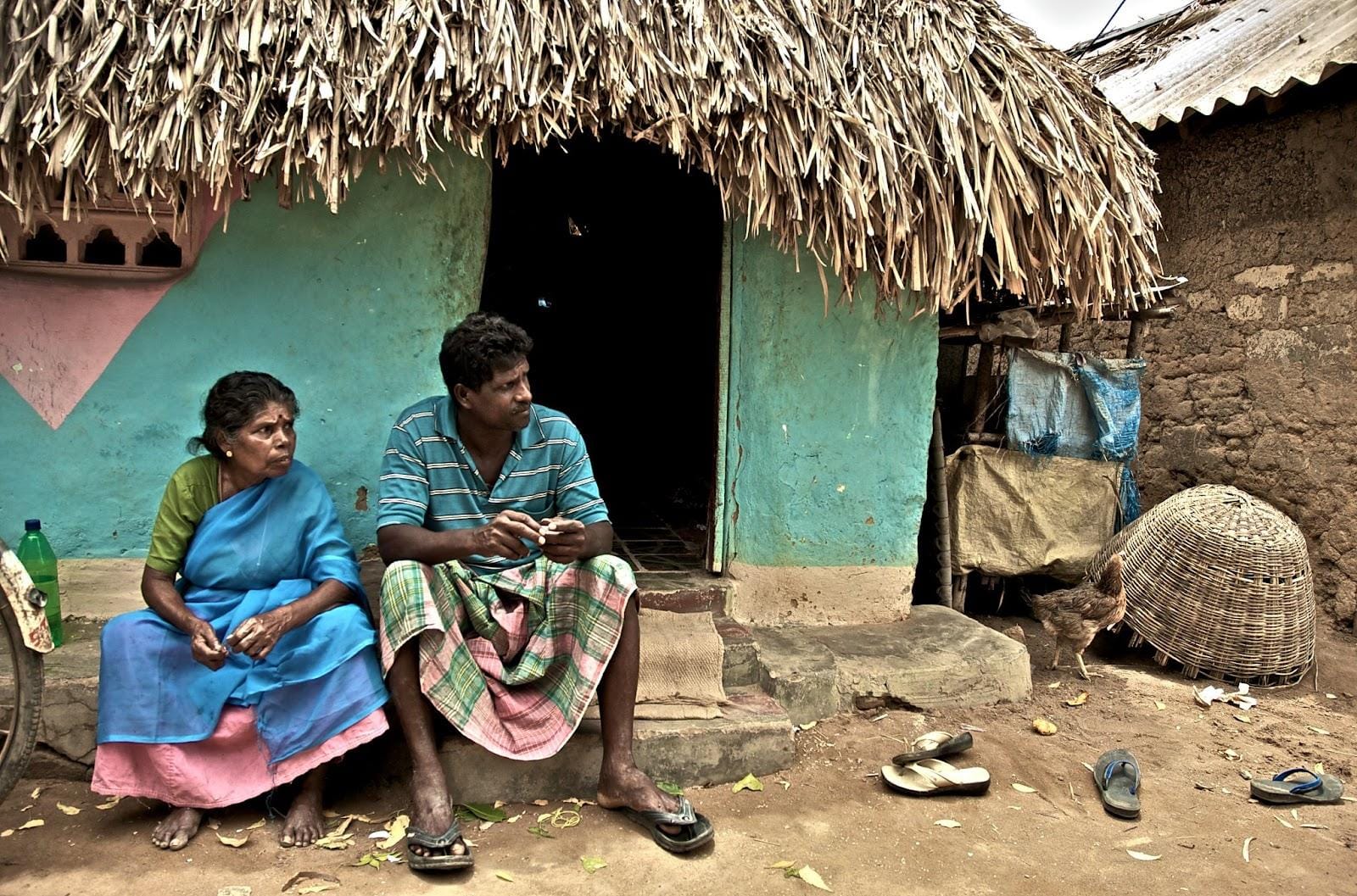
This was causing problems since many of the refugees have spent decades in India and thus collected a variety of movable assets and other household goods, which they would like to take with them.
Tamil leaders say they will be happy if refugees return from India, as the mass exodus of Sri Lankan Tamils since 1983 has drastically brought down the community’s population in the island, slashing the Tamil strength in parliament.
Now, only Batticaloa district in Sri Lanka’s eastern province is Tamil majority. Muslims, who also speak Tamil but form a distinct group, are the single largest group in Trincomalee and Amparai districts. Sinhalese, the country’s majority community, also live in large numbers along with Tamils in both places.
“The Sri Lankan government is not matching its words with deeds on any of the issues related to the Tamil community,” said Ilangovan, who is also a leader of the Federal Party, representing Tamil interests. “We see an obstacle race for the refugees.”
The Sri Lankan consulate in Chennai, the Tamil Nadu capital, had also charged the refugees much more money to issue travel documents than what they normally took from others, Ilangovan said.
He admitted that Sri Lankan diplomats, in particular the new deputy high commissioner in Chennai, were “very cordial” but the institutional bottlenecks in Sri Lanka were aplenty.
Ilangovan said Colombo did not have “a coordinated programme” for the refugees’ return, even though some leaders of the ruling Janatha Vimukti Peramuna (JVP or People’s Liberation Front) had held detailed discussions in the past with OfERR.
“The problems,” he added, “did not begin with the current government (in Colombo), but these people have done nothing to help the refugees despite having been in power for a year. This is unfortunate.”
In contrast, the Indian and the Tamil Nadu governments have empowered the Tamil refugees over the decades, Sooriyakumary said, and provided them with many benefits, barring voting and land rights.
Many of the Tamils who came to India have since got married and become parents. While most refugees do casual work in the construction industry to earn money, younger Tamils run shops or small businesses besides holding junior positions in the corporate world. Many have found jobs in the healthcare sector.
It is this section that has struck economic roots in Tamil Nadu, which does not want to go back to Sri Lanka, particularly because of the continuing economic crisis there and consequent lack of jobs.
Then, there are those whose children are studying in Tamil Nadu, often with Indian official assistance, who cannot afford to return -- right away.
Ilangovan said the Sri Lankan government was also reluctant to provide land and ownership titles to those who wanted to resettle in that country. And a lot of land that should have been returned to civilians was still with the Sri Lankan military.
Of the 105 camps for refugees in Tamil Nadu, two are designated special camps. These house Tamil Tiger suspects as well as those who fled Sri Lanka in the wake of the economic meltdown in 2022.
Tamil activists admitted that the inmates of the two special camps located in Trichy and Ramanathapuram districts did not get the same kind of doles given in the other camps, causing various difficulties.
“Many families have improved their economic condition since fleeing Sri Lanka,” said Ilangovan. Many Tamil refugees are also striving to acquire Indian citizenship. In this, they have the backing of some political parties in Tamil Nadu.
Further, the strains that grew between Sri Lankan and Indian Tamils in the wake of the 1991 assassination of former prime minister Rajiv Gandhi near Chennai by the Tamil Tigers have significantly reduced over time, making Tamil Nadu an added attraction for many refugees.
Editor’s Note: This article was first published on The Federal (thefederal.com), a digital news platform, and is reproduced in Jaffna Monitor with due permission.