By Kumulan
Sri Lanka is suddenly brave.
The state has found courage. It has found investigators, files, witnesses, travel bans, detention orders, and dramatic whispers about former presidents and former spy chiefs. It now speaks of the Easter Sunday bombings as though justice has finally entered Colombo, barefoot and late, carrying a torch.
Good.
Let every room be opened. Let every liar sweat. Let every priest, widow, parent, orphan, and survivor hear the truth. If senior officials enabled, ignored, exploited, or covered up the Easter attacks, let them face the law.
But do not ask us to confuse political theatre with justice.
Because the question that burns through all this is simple:
Why only Easter?
Why is the state suddenly courageous where the evidence is politically useful, legally complicated, and dependent in part on testimony still untested in open court? Why is it so eager to parade the Rajapaksa machine through one doorway, while refusing to open the much older, bloodier door marked 2009?
Because in Mullivaikkal, the evidence does not whisper.
It screams.
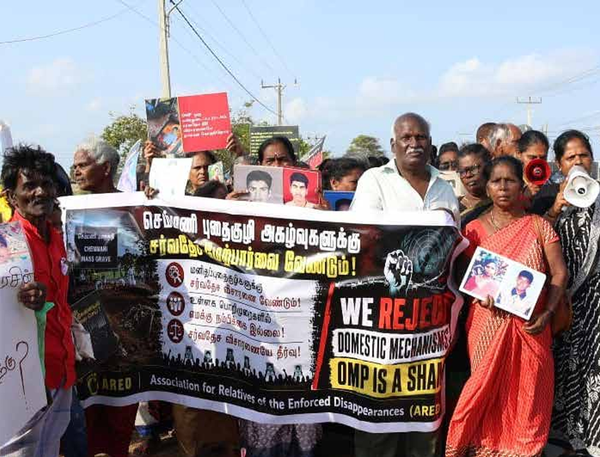
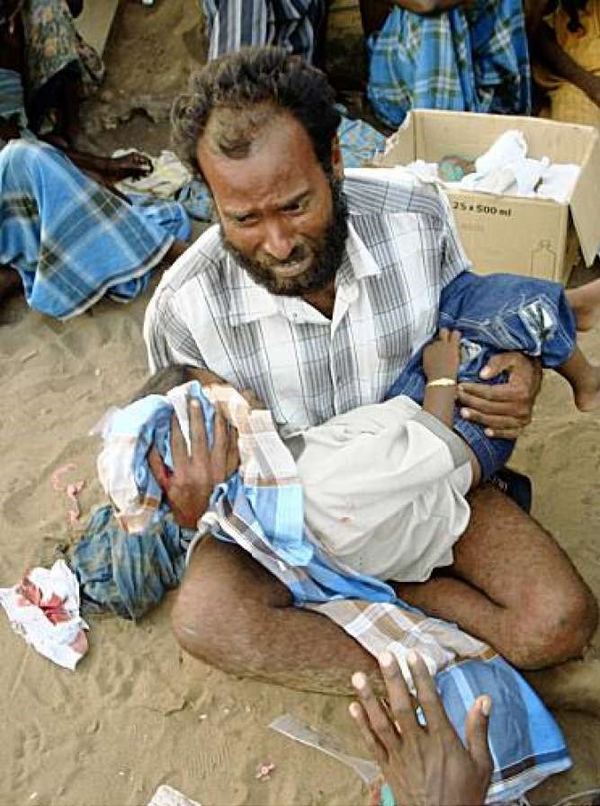
There are UN reports. There are survivor testimonies. There are hospital records, satellite images, videos, surrender accounts, names, ranks, and chains of command. There are mothers who have stood for years holding photographs of disappeared children while Colombo looked away with the calm cruelty of a state that has practiced blindness.
And then there is Balachandran.
A boy.
Not a commander. Not a strategist. Not a battlefield threat. A 12-year-old child carrying the cursed surname of Prabhakaran.
Channel 4’s reporting and the images that followed became one of the most unbearable symbols of the final days of the war. The photographs reportedly showed him alive, apparently in military custody, seated and eating a snack. Later images showed him dead. Sri Lanka denied execution and spoke of crossfire. But the visual sequence raised a question no patriotic slogan has ever answered:
If he died in battle, why did the world see him alive in custody first?
That question should have cracked the republic.
It did not.
Colombo survived it. The army survived it. The politicians survived it. The broadcasters survived it. The monks survived it. The dinner parties survived it. The south swallowed the image and went back to celebrating victory.
That is the real scandal.
Not that Gotabaya Rajapaksa may now fear the PTA. He should have due process. Everyone should. The Tamil boy taken under suspicion should have had it. The journalist should have had it. The student should have had it. The surrendered man should have had it. The mother searching for her disappeared son should have had it.
The problem with the PTA is not that it may now affect a powerful man. The problem is that it was ever allowed to become normal.
Bad law does not become good law because it finally reaches the people who once defended it.
But the Easter investigation has revealed something uglier than irony. It has revealed the boundaries of Sri Lankan courage.
Corruption can be prosecuted. Everyone hates a thief after the money is gone.
Easter can be investigated. It gives the government grieving Catholics, angry voters and a useful monster from the old regime.
But Mullivaikkal is different.
Mullivaikkal is not merely a case. It is a mirror. It asks whether the state committed crimes at the very moment it claimed to be saving the nation. It asks whether “war hero” can become a shield against the law. It asks whether a flag can cover a body. It asks whether Tamil grief is evidence, or merely an inconvenience to Sinhala memory.
That is why no government wants to go there.
Not Mahinda. Not Gotabaya. Not Maithri. Not Ranil. And now, perhaps, not even Anura.
Because prosecuting 2009 is not just prosecuting a family. It is prosecuting a national religion.
It would require telling the Sinhala south that the victory it was taught to worship may also contain crimes it was trained not to see. It would require telling the army that command responsibility is not treason. It would require telling monks and television patriots that the dead do not disappear because a studio calls them propaganda. It would require telling Tamil citizens that their dead are not foreign inventions.
That is the courage Sri Lanka still does not have.
So the state does what it always does. It chooses the safer drama. It chases the politically useful crime and avoids the foundational one. It speaks of accountability while negotiating with impunity. It opens one file and locks the archive.
The dead of Easter deserve better than a flimsy case built for applause. The dead of Mullivaikkal deserve better than eternal silence.
If the Easter evidence is strong, prosecute. If it is weak, admit it. Do not manufacture justice because the crowd wants blood. Do not turn a national wound into a stage play. Do not use the PTA to pretend the rule of law has returned while the law itself remains rotten.
And do not insult the dead of 2009 by acting as if Sri Lanka’s conscience was born in 2019.
Justice was waiting before Easter.
It was waiting in the Vanni.
It was waiting near the hospitals.
It was waiting at the surrender points.
It was waiting in detention camps.
It was waiting in the photographs of the disappeared.
It was waiting in the image of a child who appeared alive in custody, and then was not.
That image should haunt every minister who says “accountability” without saying “Mullivaikkal.” It should haunt every prosecutor who can find the courage to touch Easter but not 2009. It should haunt every Sri Lankan who thinks justice is noble only when it is aimed at someone else’s wound.
A country can survive the prosecution of a former president. It can survive the arrest of a spy chief. It can survive the fall of a dynasty.
What Sri Lanka fears is surviving the truth about itself.
That is why 2009 remains protected. Not because there is no evidence. Because there is too much. Too much footage. Too many witnesses. Too many graves. Too many mothers. Too many names. Too many commanders. Too many diplomats who heard the briefings. Too many politicians who sold the myth. Too many citizens who clapped.
Easter asks who failed the state.
Mullivaikkal asks what the state became.
That is the question Colombo cannot bear.
So yes, investigate Easter. But do not stop there. Do not pretend the hunt for justice begins only where it is politically convenient. Do not drag one spy chief into the light while leaving the war machine in holy shadow. Do not prosecute the aftershock and worship the earthquake.
If this government wants to wake Sri Lanka, it must say the forbidden word.
Mullivaikkal.
Not as mourning. Not as ceremony. Not as diaspora noise. Not as separatist memory. As evidence. As law. As a crime scene.
Until then, this is not justice.
It is politics wearing a judge’s robe.
And if the state has the courage to chase the Rajapaksas for Easter but not for 2009, let us say it plainly:
It is not hunting impunity.
It is protecting its oldest crime.