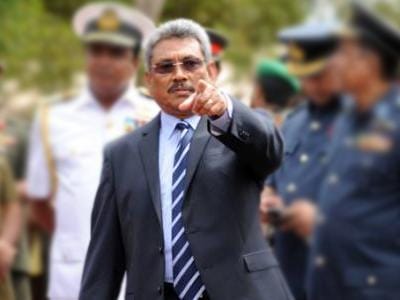
JAFFNA, Sri Lanka — A magistrate’s court in Jaffna has set April 28 as the date it will decide how former President Gotabaya Rajapaksa must provide testimony in the long-running case of two Tamil activists who vanished in 2011 amid allegations of enforced disappearance in the aftermath of Sri Lanka’s civil war.
Lalith Kumar Weeraraj and Kugan Muruganandan, members of the leftist Frontline Socialist Party and organizers of protests demanding justice for victims of enforced disappearances, were last seen on Dec. 9, 2011, leaving Mr. Muruganandan’s home in Avarangal, Jaffna, on a motorcycle. They disappeared the following day, Dec. 10 — International Human Rights Day — while preparing a demonstration in Jaffna to highlight abductions in the region.
A complaint was lodged at Achchuveli Police Station shortly afterward, and the matter was reported to the Mallakam Magistrate’s Court on Dec. 12, 2011. At the time, Gotabaya Rajapaksa was serving as defense secretary under his brother, President Mahinda Rajapaksa.
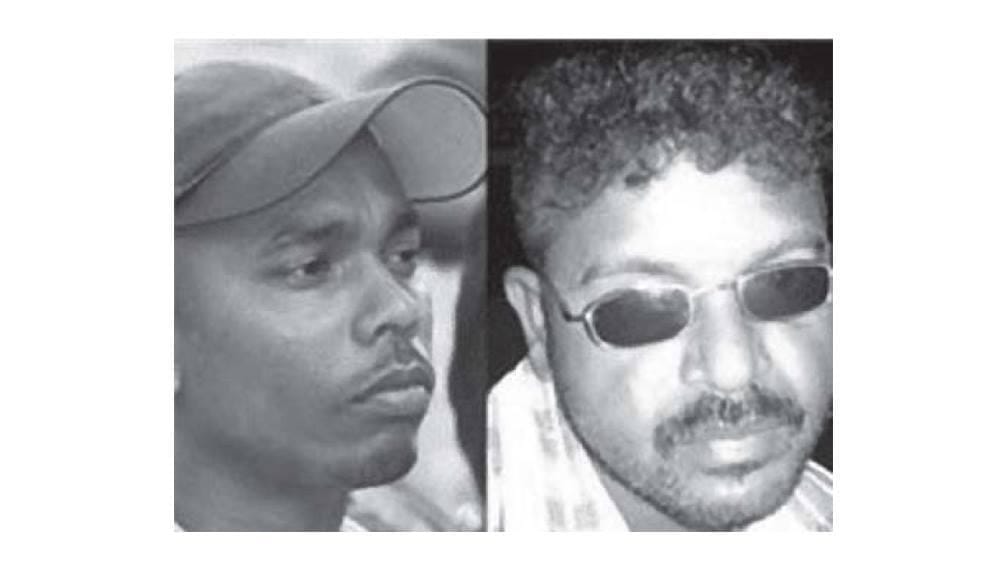
In 2012, relatives of the missing men filed a habeas corpus petition in the Court of Appeal in Colombo seeking information on their whereabouts. The appellate court directed the Jaffna Magistrate’s Court to examine witnesses connected to the alleged abduction and submit a report. Proceedings in Jaffna began in September 2012.
The case gained prominence in 2017 when Gotabaya Rajapaksa — who served as defense secretary from 2005 to 2015 during the final, brutal phase of Sri Lanka’s 26-year civil war — was named as a witness. Subsequently, the court ordered him to appear in Jaffna to testify, but his legal team informed the court that security concerns prevented him from traveling to the Tamil-majority north.
At a hearing in December 2025, the Jaffna court instructed Gotabaya Rajapaksa to submit an affidavit if he could not appear in person. The affidavit was filed, and both sides were directed to present written submissions on how his testimony should be recorded.
When the case was taken up last friday, the court announced that it would deliver its ruling on April 28. The decision is expected to determine whether testimony will be accepted via affidavit, video link, or another method.
Attorneys S. K. Puranthiran and Laksayan represented the families of Mr. Weeraraj and Mr. Muruganandan. Attorney Suranga Perera appeared for Gotabaya Rajapaksa.
The disappearance of Lalith Kumar Weeraraj and Kugan Muruganandan has come to symbolize the thousands of unresolved enforced disappearances that occurred during and after Sri Lanka’s civil war, which ended in 2009 with the defeat of the Liberation Tigers of Tamil Eelam. Human rights groups estimate that between 60,000 and 100,000 people went missing, the majority in the Tamil-dominated north and east. The United Nations and other international bodies have repeatedly called for credible investigations and accountability, citing persistent impunity for alleged perpetrators, including senior military and political figures.
Gotabaya Rajapaksa, who served as president from 2019 until he fled the country in July 2022 amid mass protests over an economic collapse, has consistently denied any involvement in enforced disappearances or other human rights violations during his time as defense secretary. The affidavit he submitted cited alleged security threats as the reason for not appearing in person in Jaffna.
Families of the disappeared and rights activists continue to hold protests across northern Sri Lanka, demanding answers about the fate of missing relatives. many cases have dragged on for more than a decade with little progress, fueling criticism that Sri Lanka’s judicial system has failed to deliver justice for wartime and postwar abuses.