OP-ED


Indian Tamils Who Built Sri Lanka’s Tea Economy Are Now Leaving It

Indian Tamils Who Built Sri Lanka’s Tea Economy Are Now Leaving It

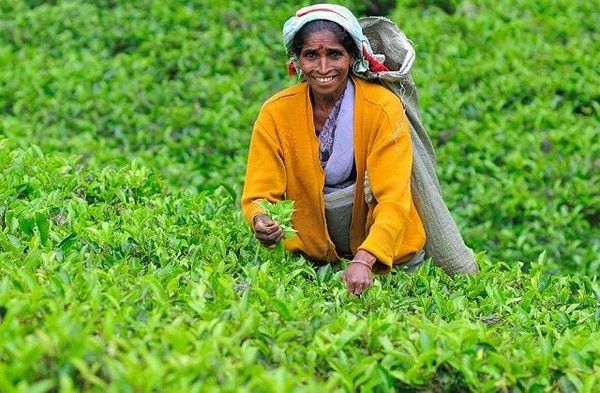
By M.R. Narayan Swamy Indian-origin Tamils, descendants of indentured labourers brought to Sri Lanka in the 19th century, are steadily moving away from the tea plantations that once defined their existence. After generations of living a hand-to-mouth existence, many are finding success in new fields emerging as a more empowered ethnic group. Yet, for the tens of thousands who still toil in the tea estates poverty and entrenched racism remain daily realities. Community leaders speak about signi


M.R. Narayan Swamy

M.R. Narayan Swamy

The Leader Prabhakaran Was Not — But Laldenga Was

The Leader Prabhakaran Was Not — But Laldenga Was

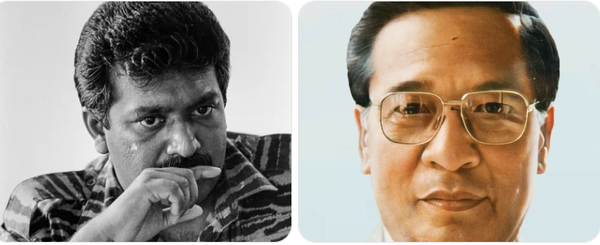
By M.R. Narayan Swamy It was in 1966 that the Mizo National Front (MNF) launched its guerrilla war against the Indian state. This was nine years before Velupillai Prabhakaran shot dead the Mayor of Jaffna, and a decade before Sri Lanka witnessed the birth of the Liberation Tigers of Tamil Eelam (LTTE). The comparison is striking not only in timeline but also in scale: Prabhakaran’s envisioned Tamil Eelam spanned roughly 18,000 to 19,000 square kilometres, not far off from Mizoram’s approximatel


M.R. Narayan Swamy

M.R. Narayan Swamy

How Oil Writes History in Blood

How Oil Writes History in Blood

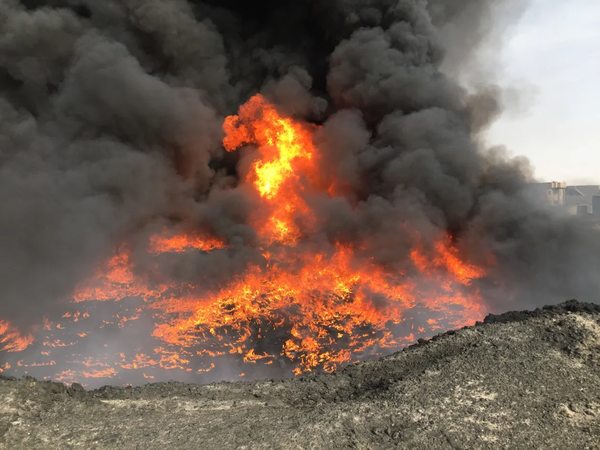
By Nilantha Ilangamuwa Never forget: the Iran–Iraq war raged for eight brutal years. Iran survived. Saddam Hussein, once courted by the West for strategic gain, was dragged from his hideout near Tikrit and executed after a deeply flawed Iraqi tribunal. Today, Trump toys with another reckless scheme to destabilise Iran, a continuation of his “decapitation project,” even as Tehran struggles with fractures demanding the immediate redesigning and re‑engineering of its governing structure in the sty


Nilantha Ilangamuwa

Nilantha Ilangamuwa

The Pallava Shadow: How South India Reshaped Southeast Asia

The Pallava Shadow: How South India Reshaped Southeast Asia

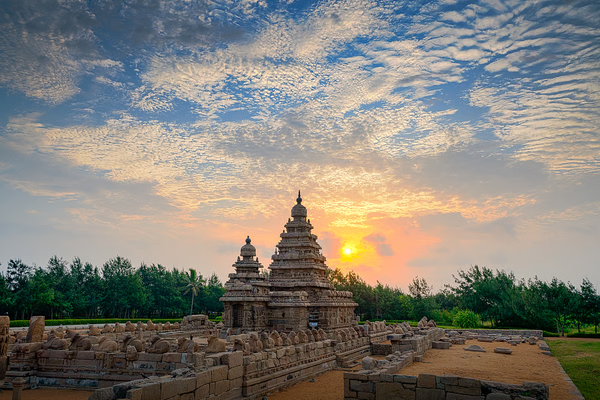
By M.R. Narayan Swamy How did Hindu temples come to dot the skyline in parts of Southeast Asia at a time when Buddhism too was spreading its wings? To answer this, we need to turn to the visionary Pallava kings, who ruled a sprawling region in southern India with Kanchipuram as their capital, overcoming military defeats with patience, confidence, and bravery. And who better to unveil this story than William Dalrymple, one of Scotland’s foremost historians, who has made Delhi his home and has


M.R. Narayan Swamy

M.R. Narayan Swamy

A Dark Date in the Contemporary Calendar of Humanity

A Dark Date in the Contemporary Calendar of Humanity

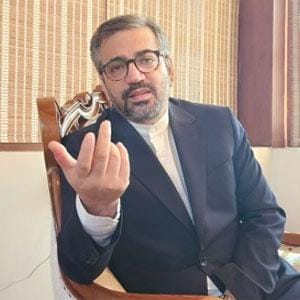
February 28, 2026, marks a dark date in the contemporary calendar of humanity; a day when the hands of the clocks went on strike in a state of protest and profound shock. On this day, the unlawful attacks by the Zionist regime and the United States against the territorial integrity of the Islamic Republic of Iran dealt a finishing blow to the discourse of international law regarding the prohibition of the threat or use of force in international relations. From this date onward, who can still re


Dr. Alireza Delkhosh

Dr. Alireza Delkhosh

From Remittances to Investment: Rethinking the Tamil Diaspora’s Role

From Remittances to Investment: Rethinking the Tamil Diaspora’s Role

The Tamil diaspora has long been an integral part of Jaffna’s social, economic, and cultural landscape. Spread across countries such as Canada, the United Kingdom, Australia, and parts of Europe, this global community has maintained strong and enduring ties with Northern Sri Lanka. These connections have been expressed through family relationships, financial support, cultural exchange, and political engagement. During periods of conflict and immediate post-war recovery, diaspora contributions p


Colonel Nalin Herath

Colonel Nalin Herath

Judges’ Retirement Age: A New Proposal and Its Implications

Judges’ Retirement Age: A New Proposal and Its Implications

By: Professor G. L. Peiris I. The Constitutional Context Independence of the judiciary is, without question, an essential element of a functioning democracy. In recognition of this, ample provision is made in the highest law of our country, the Constitution, to engender an environment in which the courts are able to fulfil their public responsibility with total acceptance. As part of this protective apparatus, judges of the Supreme Court and the Court of Appeal are assured of security of t


Professor G. L. Peiris

Professor G. L. Peiris

Sri Lanka’s Indian Ocean Reckoning

Sri Lanka’s Indian Ocean Reckoning

By Abbi Kanthasamy Sri Lanka’s real strategic question is not whether it can become “the next Singapore” or a miniature Dubai. It is whether it can finally learn the harder lesson those two city-states teach: that financial centres are not created by tax gimmicks, real-estate spectacle, or patriotic rhetoric. They are built by states that become credible before they become glamorous. In 2026, that distinction is even more important than it was a generation ago. The old haven model—low tax, ligh


Abbi Kanthasamy

Abbi Kanthasamy