
By: Abbi Kanthasamy
A dispatch from a tired restaurant owner watching cousins argue over the same recipe.
If the conflict in Jerusalem had been about food instead of religion, it would have ended centuries ago.
Because food fights — real ones — are easy.
You gather everyone in a room.
You put the dishes on the table.
People shout a bit.
Someone’s grandmother intervenes.
And eventually everyone eats.
Peace, or something very close to it.
Religion, unfortunately, has proven far less cooperative.
Which is strange when you consider that the Levant — that small, sun-baked stretch of land between the Mediterranean and the desert — has always behaved like one enormous shared kitchen.
The chickpea certainly never cared who ruled Jerusalem.
And that’s saying something, because Jerusalem has changed hands roughly forty times.
Canaanites.
Assyrians.
Babylonians.
Persians.
Greeks.
Romans.
Byzantines.
Arabs.
Crusaders.
Ottomans.
British.
If empires were restaurant chains, Jerusalem would have been the most aggressively franchised outlet in human history.
Yet somehow through three thousand years of conquest, the menu barely changed.
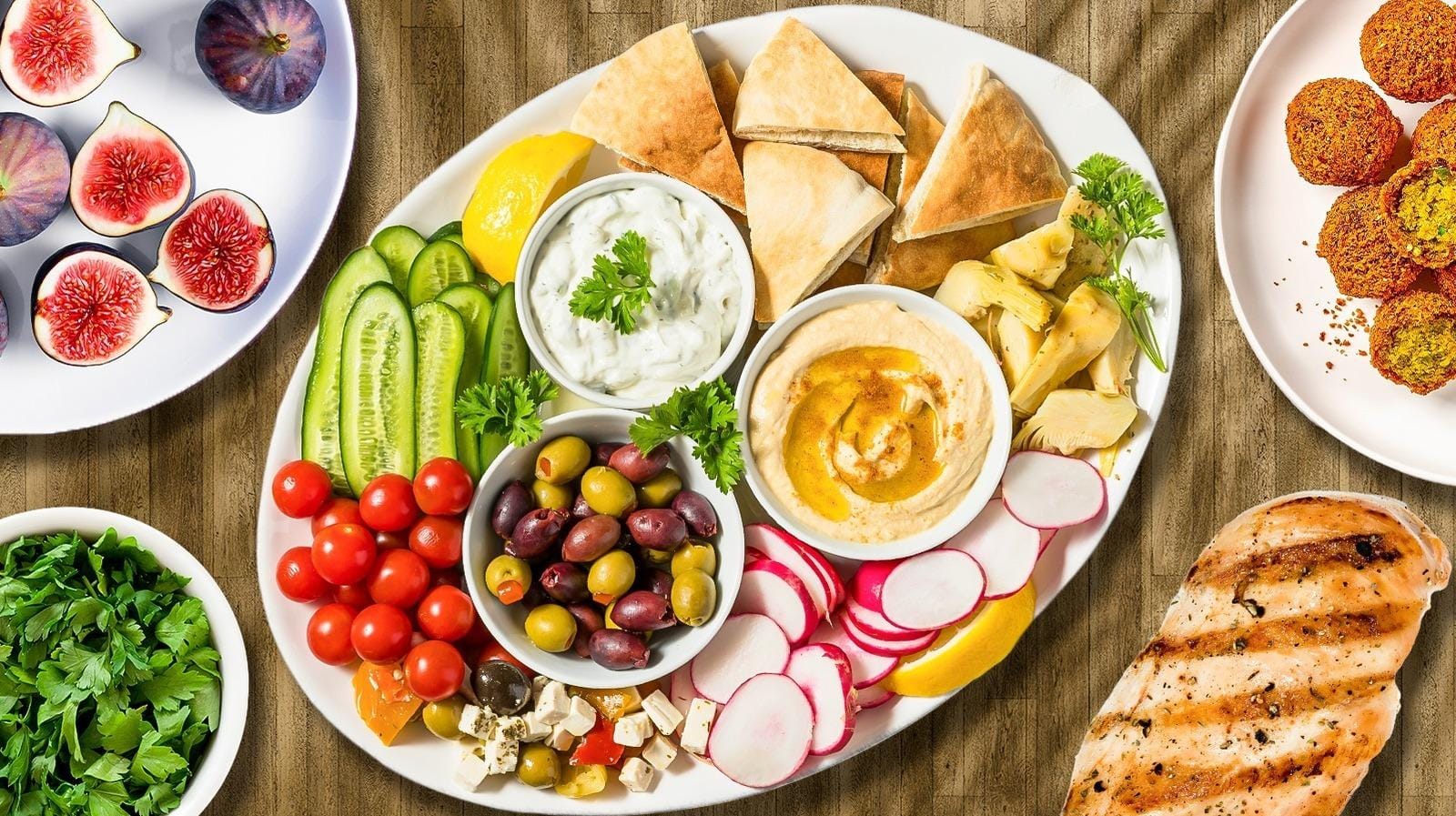
Flatbread.
Olives.
Lamb.
Garlic.
Chickpeas.
Lemons.
Sesame.
And a near universal agreement across Judaism, Christianity, and Islam that pork probably wasn’t a brilliant idea in desert heat.
You can actually trace the ingredients historically.
Chickpeas were cultivated in the Levant around 7000 BCE.
Olive oil production in the region dates back at least six thousand years.
Sesame — the base of tahini — arrived along ancient Mesopotamian trade routes long before anyone had written the first line of theology.
In other words, hummus existed long before people began arguing about whose God owned the neighbourhood.
The earliest written recipes resembling hummus appear in 13th-century Arab cookbooks from Cairo and Damascus.
Which means historically speaking, hummus is already an immigrant.
And yet today people argue about it as if it were the culinary equivalent of the Ark of the Covenant.
“Lebanese hummus.”
“Israeli hummus.”
“Palestinian hummus.”
As if the chickpeas themselves were carrying passports.
The truth is that for most of history nobody in the region thought of themselves in modern national terms.
They were villagers.
Farmers.
Ottoman subjects.
People are far more concerned with olive harvests and rainfall than with culinary intellectual property.
Walk into a kitchen in Aleppo in 1700, a kitchen in Jerusalem in 1700, or a kitchen in Beirut in 1700, and you would have seen almost the same scene.
Stone grinders.
Clay ovens.
Lamb slowly roasting.
Someone pounding garlic with lemon.
And almost certainly an argument about whether the parsley was chopped too coarse.
Chefs find the whole situation faintly ridiculous.
Because cuisine does not respect borders.
You cannot draw a political line across a spice rack and declare:
“This side is Lebanese cumin. That side is Israeli cumin.”
Cumin does not recognize sovereignty.
And neither, historically, did most kitchens.
Even the religions now flying above the argument share the same roots.
Judaism, Christianity, and Islam all emerged within a few hundred kilometres of one another.
They worship the same single God of Abraham.
Jesus himself was a Jewish man from Judea, almost certainly brown-skinned and olive-toned like every farmer from Galilee two thousand years ago — not the Scandinavian fellow you occasionally see in Renaissance paintings.
And in the Qur’an, Jesus (Isa) is mentioned about 25 times, more often than the Prophet Muhammad is referred to by name.
Which suggests that if the founders of these religions had met at the same dinner table, the discussion might have been less about divine exclusivity and more about whether the lamb needed another hour over charcoal.
Yet here we are.
Thousands of miles away, people in India, Southeast Asia, Africa and everywhere else watch the region explode every few years and quietly absorb the economic shock.
Oil prices spike.
Shipping lanes tighten.
Food costs rise.
And somewhere in Kuala Lumpur or Nairobi or Jakarta, a restaurant owner sighs while watching the price of olive oil climb again.
All because cousins cannot agree on who inherited the house.
Which is unfortunate.
Because if this had truly been a food war, it would be magnificent.
Imagine the negotiations.
The Falafel Accords.
The Tahini Non-Proliferation Treaty.
The United Nations Security Council of Grandmothers.
France, naturally, would be appointed a neutral judge.
Michelin inspectors would arrive like peacekeepers.
They would taste everything with grave seriousness.
“This hummus shows promise… but lacks philosophical depth.”
One star for Beirut.
One star for Tel Aviv.
One star for Ramallah.
Two stars for someone’s grandmother in Damascus whose lamb stew causes diplomats to reconsider their life choices.
Peace through chickpeas.
Because here is the quiet truth every chef knows.
Civilizations argue about identity.
But they unite over good food.
Empires rise and fall.
Borders move.
Flags change.
But the same bread keeps coming out of the oven.
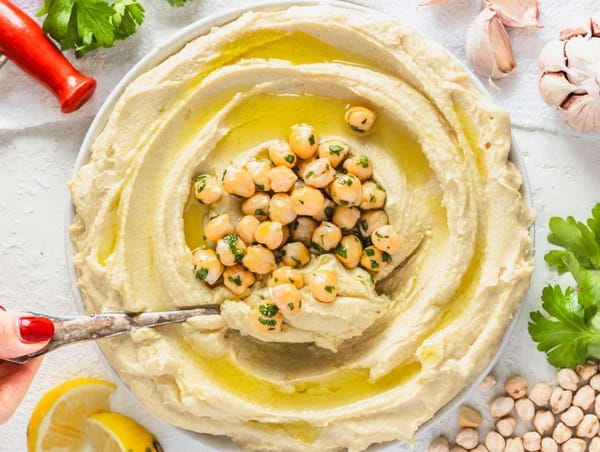
The same chickpeas keep getting crushed with garlic, lemon and tahini.
And somewhere tonight in the Levant, in a kitchen older than most modern nations, someone is serving hummus that belongs to absolutely everyone.
Which is why the rest of us — sitting far away and watching this endless argument — can only say one thing.
We honestly don’t know what the hell you’re fighting about anymore.
Settle down.
Take a breath.
Think about the generations that will come after you instead of the grudges of the last thousand years.
Put bread on the table.
Pour good olive oil.
Pass the hummus around.
Because from where the rest of the world is sitting, it doesn’t look like a holy war.
It looks like cousins arguing over who invented lunch.
And the food — frankly — is far too good to be wasted on that.