
GENEVA — A group of Western and allied nations renewed pressure on Sri Lanka on Monday to repeal its controversial anti-terrorism legislation and accelerate long-promised human rights reforms, warning that years of commitments have produced limited tangible results.
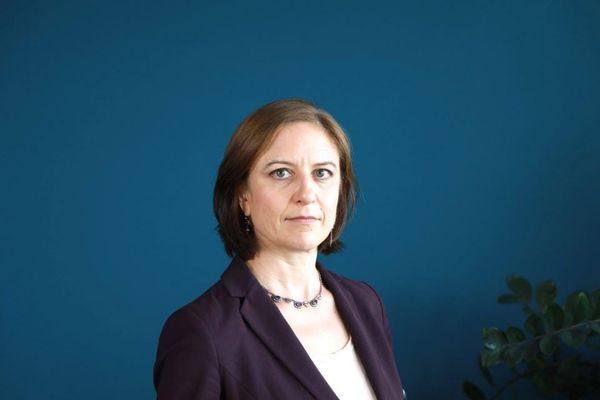
Speaking at the 61st session of the United Nations Human Rights Council, Eleanor Sanders, the United Kingdom’s human rights ambassador, delivered a statement on behalf of the Sri Lanka Core Group — Canada, Malawi, Montenegro, North Macedonia, and the United Kingdom — during a periodic review of Sri Lanka’s post-war human rights obligations.
The group reiterated its longstanding call for the repeal and non-use of the Prevention of Terrorism Act (PTA), legislation critics say has disproportionately affected Tamils and enabled prolonged detention without sufficient judicial oversight. It expressed even sharper concern over the government’s proposed replacement, the Protection of the State from Terrorism Bill, warning that the draft raised “greater concerns than previously.”
“Any counter-terrorism framework must comply fully with Sri Lanka’s international human rights obligations,” the group said.
Recognition — and a Warning
While the tone was firm, the Core Group acknowledged limited progress under President Anura Kumara Dissanayake. It welcomed steps permitting communities from different backgrounds to commemorate conflict-era losses — calling memorialization “vital to reconciliation” — and expressed condolences for victims of Cyclone Ditwah, which struck the island in November.
Yet the acknowledgment was paired with pointed criticism.
The group said the return of military-held land to civilians in the north and east remained too slow, echoing a long-standing grievance among Tamil communities in former war zones. It also noted that although the president had pledged action on transitional justice, anti-racism, and emblematic human rights cases, measurable outcomes remained limited.
“Strong, independent domestic institutions are vital to uphold human rights,” the statement said, urging the government to operationalize a proposed independent prosecutor’s office rather than merely announce reforms.
Sexual Violence and Institutional Weakness
The Core Group also referenced a recent report by the Office of the U.N. High Commissioner for Human Rights on conflict-related sexual violence. It paid tribute to survivors who had come forward, noting that stigma and fear of retaliation continue to deter many from seeking justice.
The group urged Sri Lanka to engage constructively with international human rights mechanisms and strengthen legal protections for victims and witnesses — areas where watchdog groups say intimidation and institutional weakness remain persistent concerns.
Colombo did not immediately issue a public response. In previous sessions, Sri Lankan governments have argued that accountability must proceed through nationally owned mechanisms and have resisted what officials describe as external intrusion into sovereign affairs.
The Human Rights Council session continues in Geneva.