

By Jeevan Thiyagaraja
There is a particular species of public servant that institutions simultaneously need and resent. They are not contrarians for sport. They are not leakers or rebels. They are people who have earned, through decades of credibility and demonstrated competence, the standing to say the thing that everyone in the room has already thought but nobody will speak aloud.
Call them institutional dissenters. Call them honest brokers. The label matters less than the function: they exist to interrupt the quiet slide toward groupthink that claims even the best-run governments and organizations.
Singapore's Ngiam Tong Dow — a servant's son who became one of the most powerful civil servants in his country's history — is perhaps the most vivid modern example. But he is not alone. Across governments and across generations, figures like him have appeared at the moments when nations most needed someone to say: we are wrong about this, and here is why.
SINGAPORE
Ngiam Tong Dow and the weight of earned trust
Ngiam rose from genuine poverty — his father having died of tuberculosis when he was nine, and his mother working as a household servant — to become the youngest permanent secretary in Singapore’s history at thirty-three. Over four decades, he led five ministries and chaired major institutions including DBS Bank, the CPF Board, and HDB. He was one of the “Eight Immortals,” a group of civil servants so widely respected that they were nicknamed after Chinese deities.
What separated Ngiam from the merely accomplished was his willingness to use that standing. Lee Kuan Yew invited him to private lunches twice a year and instructed him to set rank aside. On the Certificate of Entitlement — a policy that required Singaporeans to pay tens of thousands for the right to own a car — Ngiam told Lee directly: "You're taxing Singaporeans from birth to death." Lee's retort was blunt: "What's wrong with collecting more money?" The exchange was not a triumph of persuasion. It was something rarer: a genuine conversation between two people who disagreed and said so.
"I suspect we have started to believe our own propaganda."
— Ngiam Tong Dow, on Singapore's civil service, 2003
After his retirement in 1999, Ngiam kept speaking. In 2003 he warned the civil service was running "on autopilot" and that civil servants "think we are little Lee Kuan Yews." A decade later he observed that when ministers' salaries reach into the millions, a man who might otherwise speak up will be stopped by his wife. That interview went viral. He was pressured to walk it back. He largely did not.
He died in August 2020 at eighty-three. Prime Minister Lee Hsien Loong eulogised him as a civil servant of "intellect, empathy and willingness to speak his mind" — which is a gracious way of acknowledging that Ngiam had spent his retirement making exactly the kind of observations that polite eulogies are usually written to avoid.
UNITED STATES
George Marshall and the ethics of the honest briefing

Marshall famously interrupted President Franklin Roosevelt mid-sentence at his first White House meeting to correct a strategic error — a move that nearly ended his career before it began. Roosevelt kept him anyway. It was one of the better decisions of the war. Marshall went on to oversee the Allied victory in Europe and, as Secretary of State, authored the Marshall Plan for European reconstruction.
Marshall's reputation rested on a single, well-understood principle: he would not tell a superior what they wanted to hear if it conflicted with what was true. This made him uniquely useful. Commanders who surrounded themselves with agreement were making decisions in a hall of mirrors. Marshall gave Roosevelt the unfiltered picture, even when it was bad.
His approach was not rudeness dressed up as honesty. It was disciplined, considered, and delivered with the full weight of his institutional knowledge. The distinction matters: the dissenter who simply enjoys conflict is a problem. The dissenter who disagrees only when the evidence compels them, and says so clearly, is indispensable.
GERMANY
Kurt Biedenkopf and the long game of structural honesty
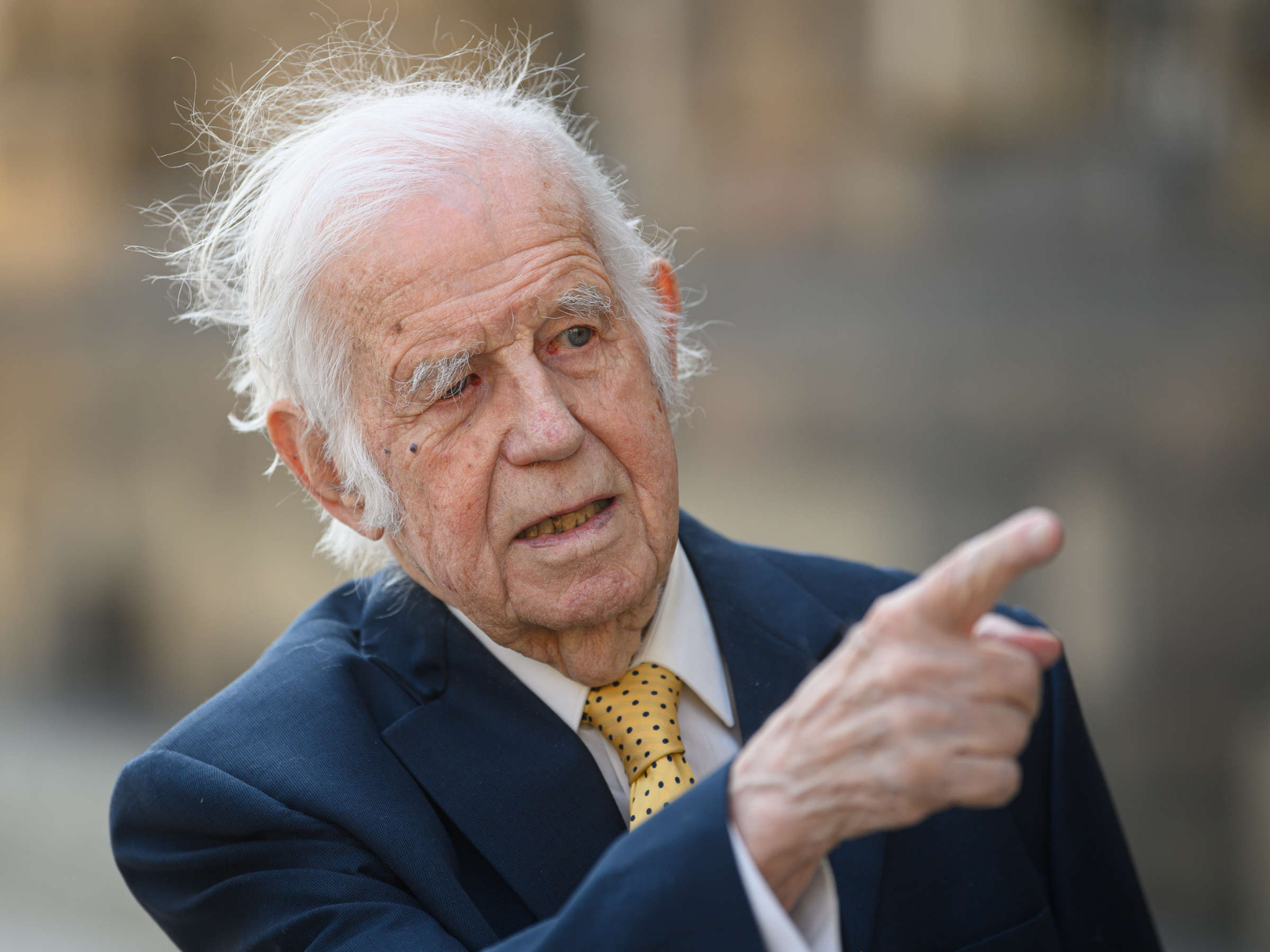
As CDU Secretary-General, Biedenkopf publicly warned that his own party's corporatist consensus with trade unions was becoming economically unsustainable — a diagnosis deeply unwelcome to the party establishment and to Helmut Kohl, who eventually forced him out. He was vindicated by the structural crises that followed in the 1980s and 1990s. After reunification he rebuilt Saxony into one of eastern Germany's most economically resilient states.
Biedenkopf's career illustrates a recurring pattern: the institutional dissenter is often punished in the short term and vindicated in the long one. The difficulty is that institutions operate on short cycles — elections, quarterly reviews, the next reshuffle — while structural problems compound quietly over years. The person warning about the long term is, almost by definition, raising issues that no one currently in power has an incentive to address.
INDIA
Raghuram Rajan and the inconvenient forecast
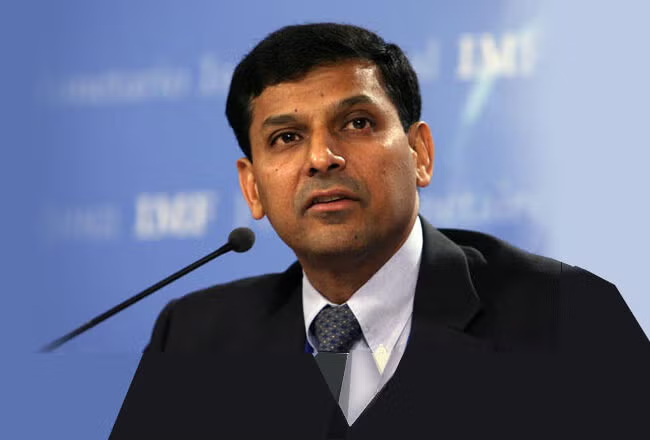
In 2005, at the height of the pre-crisis financial boom, Rajan presented a paper at the Jackson Hole symposium — the most prestigious gathering in global central banking — warning that financial innovation was creating systemic risks that could produce a severe crisis. He was mocked by senior economists and dismissed as alarmist. Three years later the global financial system collapsed in roughly the manner he had described. As RBI Governor he maintained monetary independence from government pressure and was not reappointed when his term ended.
Rajan's Jackson Hole moment is now taught in economics programmes as a case study in what happens when expertise confronts institutional optimism. The paper was not technically controversial — the analysis was sound. What made it unwelcome was the timing. The people in that room had built careers, reputations, and policy frameworks on assumptions Rajan was questioning. Challenging those assumptions required them to consider that they had been wrong for years.
The most dangerous thing in any institution is not the person who disagrees. It is the silence when nobody does.
— A recurring lesson across every case studied here
UNITED KINGDOM
Robin Butler and the art of the private warning
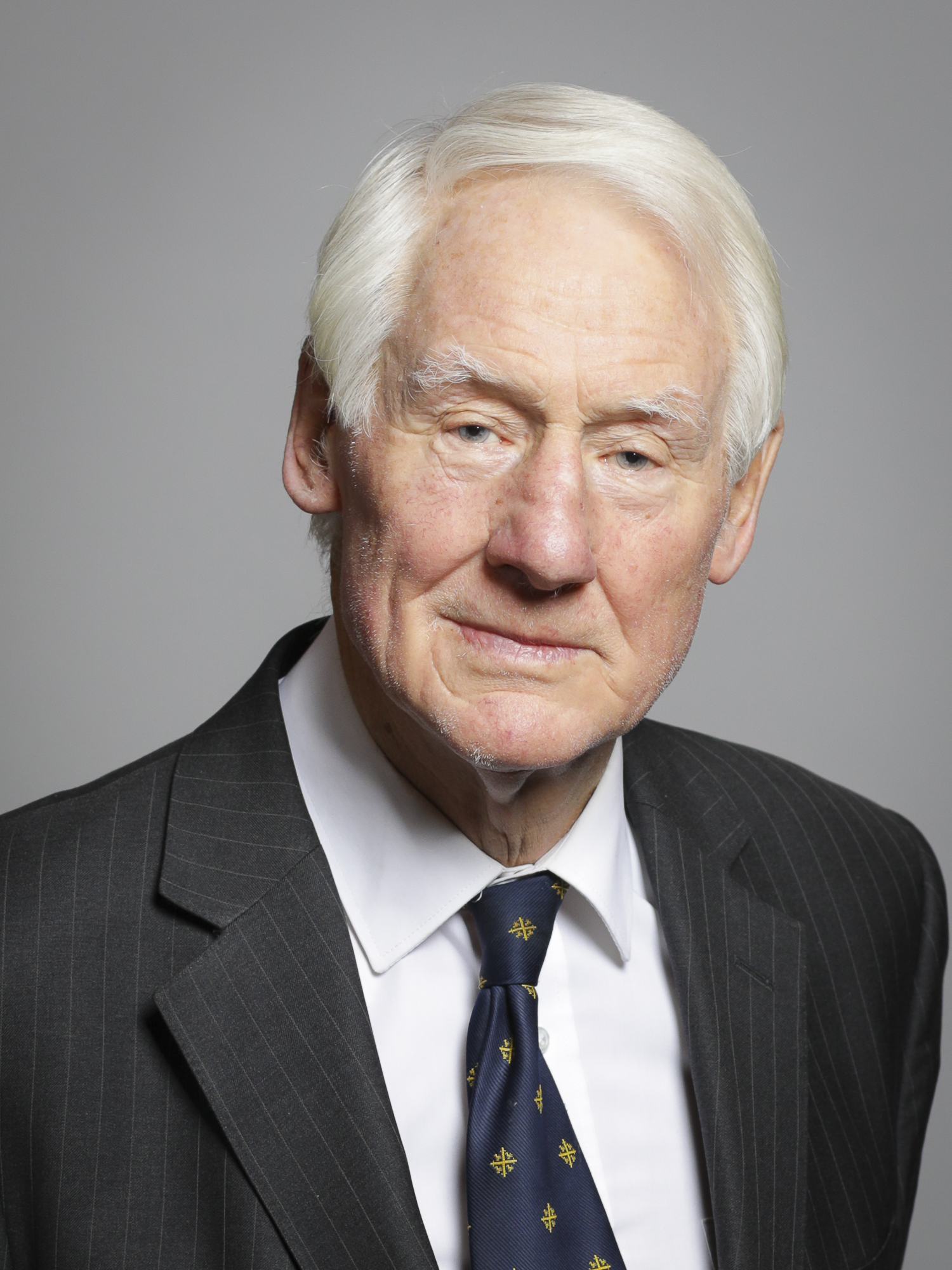
Butler served as Cabinet Secretary across three prime ministerships — Thatcher, Major, and Blair — maintaining the tradition of frank private counsel that the British civil service regards as its central function. He later chaired the 2004 Butler Review into intelligence on Iraqi weapons of mass destruction, which delivered a carefully worded but unmistakable institutional verdict: the machinery of government had allowed a flawed intelligence picture to go insufficiently challenged before the war decision was made.
Butler's career represents a different model from Ngiam or Marshall — the dissenter who works almost entirely through private channels, whose candour is expressed in the memorandum rather than the newspaper interview. The British civil service tradition holds that ministers decide and civil servants advise, but that the advice must be honest even when it is uncomfortable. Butler embodied that tradition. His review was its posthumous application: an official account of what happens when the tradition fails.
THE PATTERN
What all of them share
Across these cases — Singapore, the United States, Germany, India, the United Kingdom — several features recur consistently.
Each of these figures had built enough credibility through demonstrated competence that their dissent could not be easily dismissed. Ngiam had run five ministries. Marshall had planned the Allied victory. Rajan had been Chief Economist of the IMF. The standing was not incidental to the dissent — it was what made the dissent worth having. A critic without credibility is noise. A critic with it forces a real answer.
Each was ultimately tolerated, and in some cases celebrated, by the very leaders they challenged — but usually after the fact. LKY praised Ngiam after his death. Roosevelt kept Marshall despite the insubordination. The recognition tends to arrive once the cost of not listening has become clear.
And in each case, the institution that benefited from their honesty also, in some way, made them pay for it. Ngiam was pressured to soften his post-retirement remarks. Rajan was not reappointed. Biedenkopf was pushed out. Butler's review was welcomed and then quietly set aside. The institutional immune system treats honest challenge as a foreign body even when it is saving the organism.
The question is not how to find people willing to tell uncomfortable truths. Such people exist in most organisations. The question is whether the institution has built conditions in which honest counsel can survive the telling — where the person who says the hard thing in private is not eventually forced into silence, and where the silence that follows when they give up is recognised for what it is.
Ngiam Tong Dow spent forty years inside the machine and another two decades pointing at what the machine was getting wrong. He was heard, imperfectly and incompletely, which is probably the best any institution manages. The organisations that managed even that much were the ones that lasted.