I’ve spent most of my adult life building things. Businesses, brands, homes, arguments. Always chasing—the next goal, the next deal, the next piece of validation in a world that measures worth by margins and milestones. But this past week, watching my mother fight for her life in a small hospital in northern Sri Lanka, I was reminded of something I had forgotten: not all heroes chase. It began in Kumulamunai. A heart attack. A real one. Silent but severe. My mother—diabetic, hypertensive, and until that moment, unstoppable— suffered what doctors later described as a near-total occlusion. A 99% block in the right circumflex artery. She had been slipping quietly into danger for days. No textbook symptoms. No drama. Just a quiet march toward a cliff.
The team at Mullaitivu Hospital moved with speed and certainty. They administered a thrombolytic agent—what the rest of us call a “clot buster”—and bought her precious time. She was then transferred across district lines to Jaffna, where a team of doctors and nurses, in a system with barely enough gloves to go around, performed a high-stakes angioplasty and placed a stent that saved her life. Not once did I hear the word “payment.” Not once did I feel we were anything but in capable hands.
Now here’s the part that truly knocked the wind out of me: they didn’t have to do any of it. Two thousand doctors have left Sri Lanka in the past three years. They’ve gone to the UK, Australia, the Middle East—anywhere that offers better pay, better hours, better everything. The doctors who stayed behind? They’re the outliers. The stubborn. The selfless. The ones who choose purpose over perks.
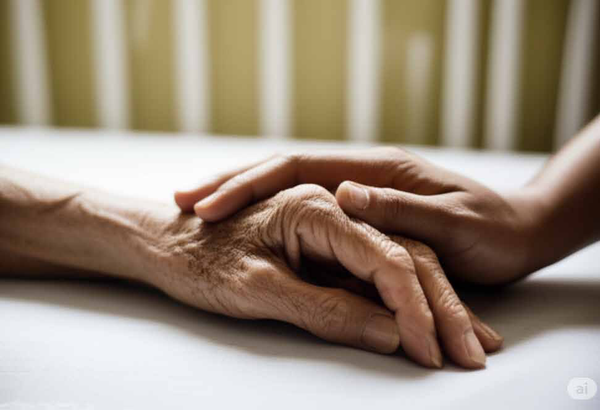
I spent time with them. I watched them scrub in and out without a pause, without fanfare, without complaint. I saw a cardiologist explain a procedure to an elderly villager in fluent Tamil, without condescension. I watched a nurse adjust a patient’s pillow like she was tucking in her own child. I saw joy in the act of healing—real joy, not performative compassion. And I realised something quietly devastating: these people are happier than most of us.
There is peace in purpose. A kind of wealth that isn’t counted in digits but in dignity. And it is abundant here.
My mother was in the ER in Canada just weeks before this trip. High blood pressure. Worrying signs. But the system — hamstrung by protocol and overregulation—missed the looming heart attack. The very thing that a government hospital in war-scarred, budget strapped northern Sri Lanka caught and treated with surgical precision. I don’t say this to score points. I say it because it humbled me.
We often talk about what’s broken in Sri Lanka. We talk about corruption, collapse, and crisis. And there’s truth in that. But somewhere amid the bureaucracy and broken roads is a public healthcare system that works. That shines. That makes you proud. And sometimes, it takes a stent in your mother’s heart to see it clearly.
To those doctors in Jaffna and Mullaitivu to the nurses, the orderlies, the drivers who transported her between towns and hope—I owe more than gratitude. I owe perspective. We may have built a world that worships money. But in those fluorescent-lit hospital wards, I met people who worship life. And they are the richer for it.