
Prof. Mahesh Nirmalan

Prof. Mahesh Nirmalan

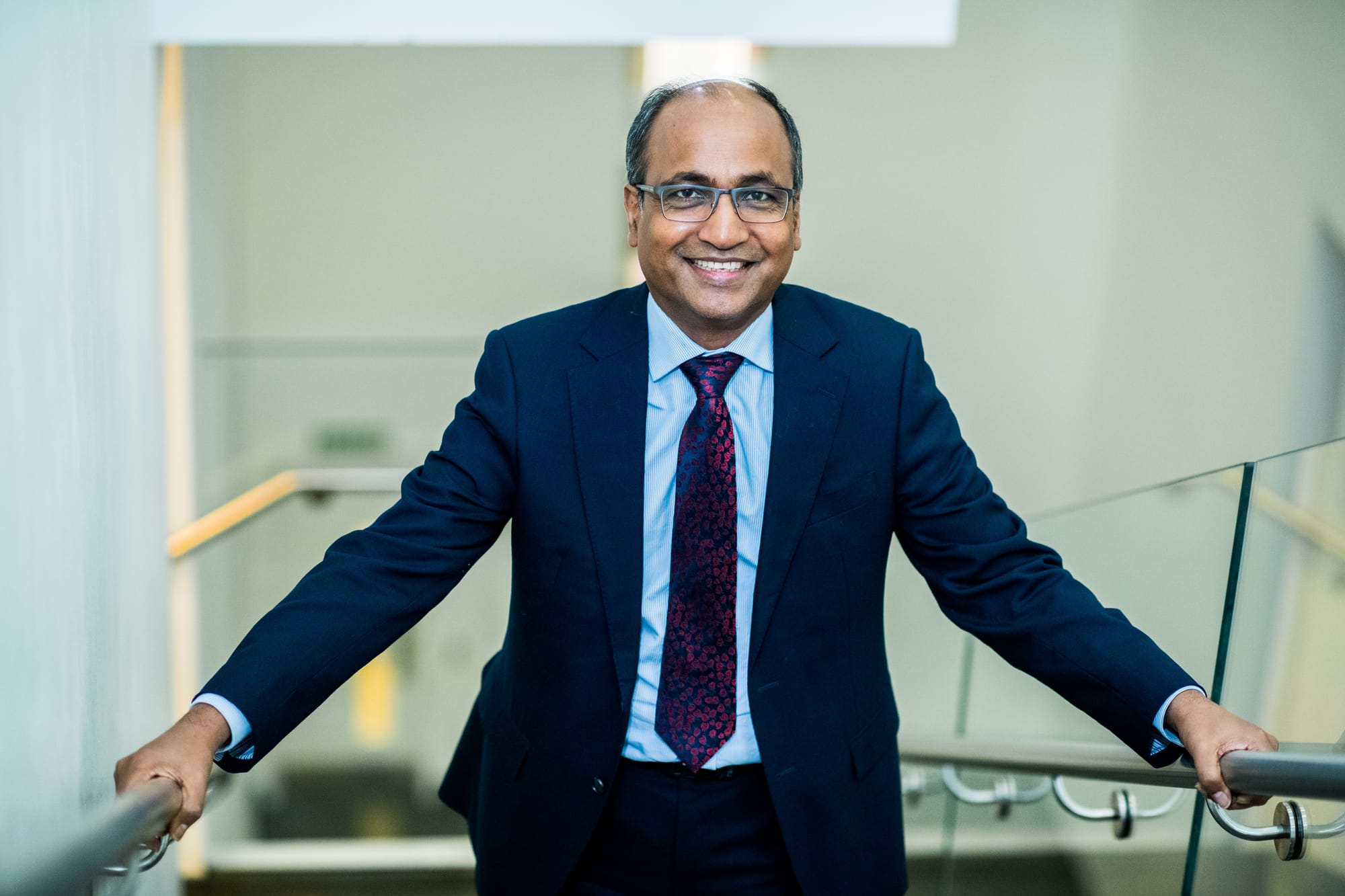
Prof. Mahesh Nirmalan, MD, FRCA, PhD, FFICM, is a senior academic at the University of Manchester, noted for his leadership in medical education, ethics, socially responsible research, and deep love for Tamil literature and ethos.


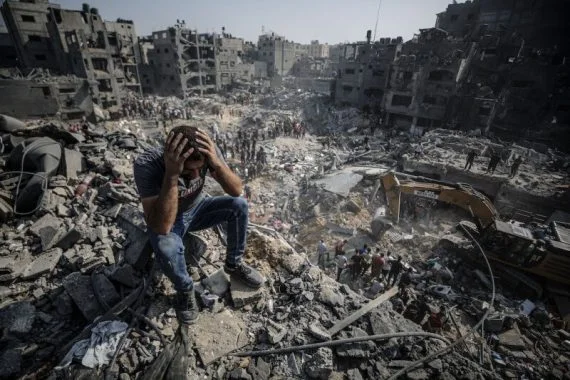
What Sri Lanka and Gaza Teach Us About the Futility of Armed Struggle

What Sri Lanka and Gaza Teach Us About the Futility of Armed Struggle

“I object to violence because when it appears to do good, the good is temporary; the evil it does is permanent”. Mahatma Gandhi Times of war create the illusion that only force can resolve irreconcilable differences. Some social theorists even justify the inevitability of violence in achieving social change on the basis that groups in power rarely relinquish that privilege voluntarily. In this context, the armed conflicts that plagued Sri Lanka for three decades and continue to unfold in Gaza


Prof. Mahesh Nirmalan

Prof. Mahesh Nirmalan

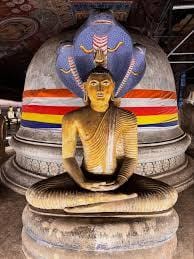
Bridges of Belief: Tamil- Buddhist Synergy in Sri Lanka’s Spiritual Tapestry

Bridges of Belief: Tamil- Buddhist Synergy in Sri Lanka’s Spiritual Tapestry

In Sri Lanka Buddhism is often associated with the Sinhalese and the ancient capitals of Anuradhapura, Polonnaruwa and Kandy. There is no doubt that the Sinhala speaking people in general and many erudite monks in particular have largely been responsible for the preservation and growth of Buddhism in Sri Lanka for over two millennia. Historically however Buddhism also had a significant presence in South India and Northern Sri Lanka. Literary and archaeological evidence from South India and the J


Prof. Mahesh Nirmalan

Prof. Mahesh Nirmalan

Courage to Belong: Minority Voices in National Renewal
A: Hambantota harbour- Developed in partnership with Chinese agencies

Courage to Belong: Minority Voices in National Renewal

Professor Mahesh Nirmalan MD, FRCA, PhD, FFICM University of Manchester Ethnocentric politics, appealing to the sentiments of one’s own ethnic group has resulted in several post-colonial countries being trapped in perpetual cycles of conflict. The situation is further complicated when larger nations intervene on behalf of a side with ‘real or perceived’ injustices, or more diabolically, exacerbate these differences to promote their own global ambitions. As a consequence, affected countries are


Prof. Mahesh Nirmalan

Prof. Mahesh Nirmalan