
Dear Editor,
When I first came across Jaffna Monitor, I was flabbergasted. Here was something our Tamil community had never seen — a publication unafraid to say what the mainstream Tamil narrative refuses to say, unconcerned about being branded or sidelined.
Intrigued and concerned, I reached out through my channels and met your editor, known as Kaniyan Pungundran. I expected a well-funded operation with strong backers. Instead, I met a man who had walked to our meeting, explaining that nearly everyone involved was losing money just to keep JM alive. I left humbled — and convinced that your team truly wants to create change.
But that conviction also deepened my fears — both for your safety and JM’s reputation. You are challenging every entrenched belief among Sri Lankan Tamils. You are not catering to the majority Tamil voice, and die-hard Tamil nationalists are waiting for the smallest opening to discredit you. One misstep could destroy what you have built. JM is not just another magazine; it is a voice for the voiceless, and that demands vigilance.
Which brings me to the August 2025 issue. I struggled to understand why you would publish an interview with the Israeli Ambassador at this moment in history. The world — especially its youth — has rallied behind Palestine. Israel stands accused of genocide in Gaza. How could JM, the supposed voice for the voiceless, afford such an ill-timed interview? Even if the piece didn’t justify the atrocities, its publication appeared to normalize them and gave Israel a platform at the worst possible moment.
And then came Rohan Gunaratna’s article, “Will Gaza Protests Radicalise Sri Lankan Muslims?” I admired Gunaratna’s earlier works on the JVP and the Indian intervention in Sri Lanka — they were near-accurate accounts I read as a youth. But his recent writing has narrowed; he sees the world only through a military lens. Every issue has social, political, and economic dimensions. When viewed solely as a security threat, we lose the human essence of justice.
Will Gaza radicalize Sri Lankan Muslims? Perhaps — and not just Muslims, but youth everywhere. Because Gaza represents injustice. You might curb radicalization by suppressing protests, but without justice for Palestine, this fire will never die.
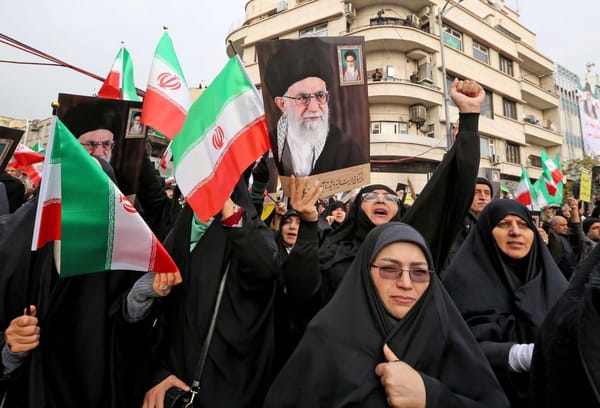
Then I learned that JM had joined a government-sponsored trip to Israel. The Tamil nationalists who have waited two years to throw stones at you now have ammunition. The same voices that once justified the LTTE’s expulsion of Northern Muslims now have a weapon to question your moral integrity.
How could JM accept a government-funded visit to Israel? Isn’t that akin to those state-sponsored trips for journalists to war zones while Tamils were being killed?
I write not as an adversary but as a believer in your mission. JM has broken new ground, but this misstep risks its reputation. The voiceless need you — don’t hand your enemies the stones to strike.
Sincerely,
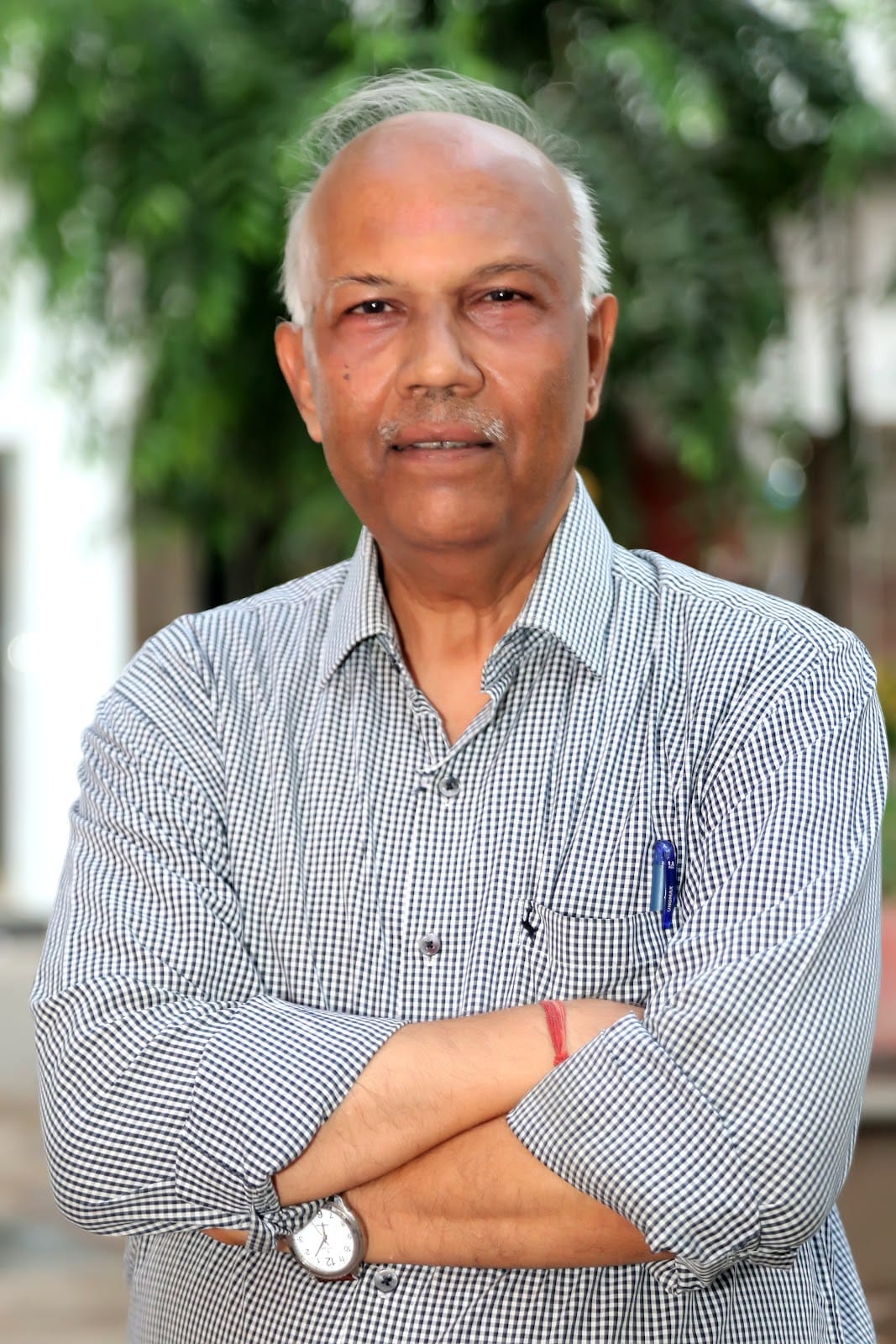
N. Thiruchelvam