By M.R. Narayan Swamy
Sri Lankan President Mahinda Rajapaksa was meeting exporters at Temple Trees when his phone rang. The businessmen noticed the President listening attentively to the person on the other end. His demeanour changed as the call ended, but he continued with the meeting.
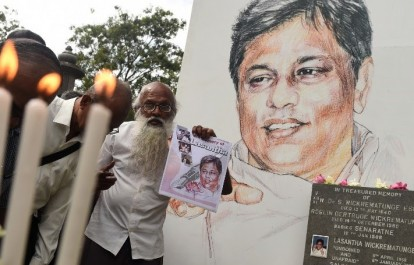
None of those discussing the problems faced by exporters with the President knew that Lasantha Wickrematunge, one of Sri Lanka's most independent and fearless journalists, had been gunned down just minutes earlier near the offices of The Sunday Leader in Colombo in a commando-style operation.
The date was January 8, 2009, months before the military pulverized the Liberation Tigers of Tamil Eelam (LTTE) and slaughtered thousands of Tamils in the blood-soaked Northern Province. The war was supervised by Gotabaya Rajapaksa, Mahinda’s younger brother and the all-powerful Defence Secretary.
Lasantha’s audacious murder was condemned around the world. Reporters Without Borders openly blamed Mahinda, who claimed the killing was an attempt to discredit his government. Much later, former army chief Sarath Fonseka, who himself came under attack over Lasantha’s assassination, alleged that Gotabaya had ordered the strike. Gotabaya kept mum.
Fellow journalist Keith Noyar was marginally lucky. The Associate Editor of The Nation was seized by unidentified thugs near his home in May 2008, mercilessly beaten and tortured for seven agonizing hours, and then dumped writhing in pain.
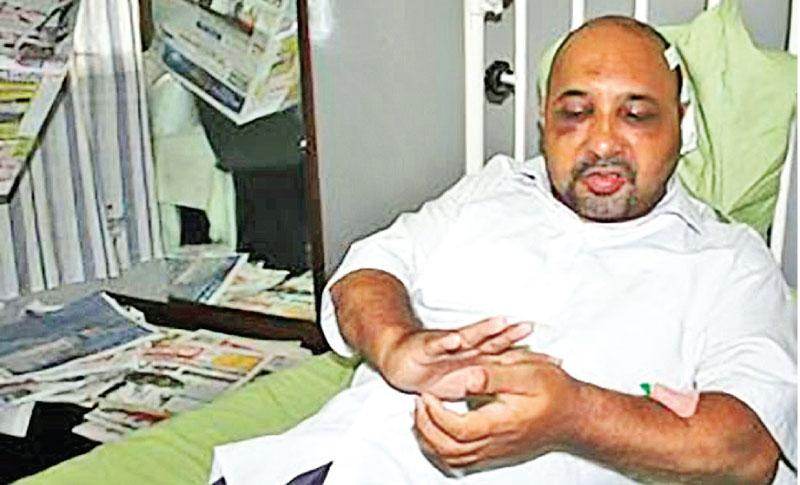
Only 12 days earlier, Noyar, another respected journalist, had written a column titled “An army is not its commander’s private fiefdom”. Around that time, Gotabaya had warned that journalists who published reports that harmed security forces were “traitors”. After the harrowing experience, Noyar fled Sri Lanka for Australia.
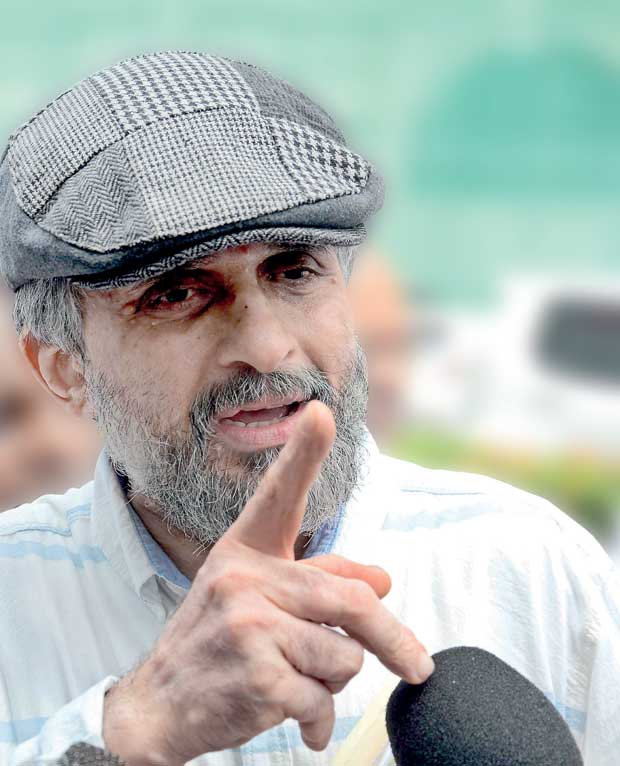
Less than two weeks after the Tamil Tigers were crushed, another leading journalist in Sri Lanka, Poddala Jayantha, was abducted by men in a white van while walking near his home in a Colombo suburb. He was also the general secretary of the Working Journalists Association. His attackers thrashed him but did not kill him. He suffered leg and head injuries. His head and beard had been partially shaved. Jayantha later left for the United States.
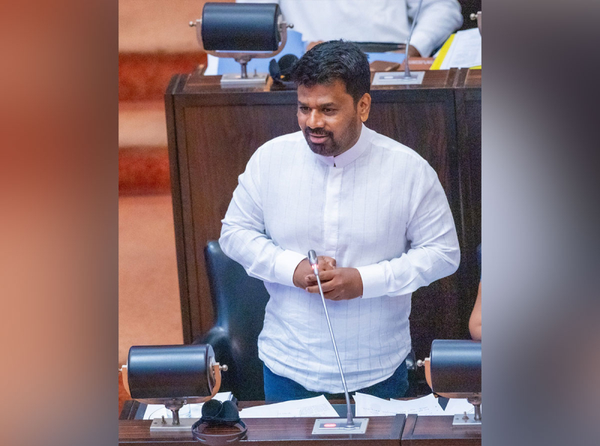
No one was arrested in any of the three cases, even after the Rajapaksas lost power, returned to office, and were finally ousted in 2022 following Sri Lanka’s economic crash. Now, President Anura Dissanayake has told parliament that security forces were involved in all three attacks, making an implicit connection to the Rajapaksas, whom he did not name.
There is hardly any Sri Lankan, whatever the ethnicity, who believes that Lasantha – who was hugely popular and whose funeral drew thousands – could have been assassinated without the sanction of those who ruled the island nation or those close to them. Noyar and Jayantha were so brazenly assaulted only because the attackers felt they enjoyed the protection of the powers that be.
It is another matter whether Dissanayake’s government would be able to join the various dots – some of which would have faded by now - and pin down the Rajapaksas over the savagery. But this is where the three cases differ from the 2019 Easter Day bombings, which killed more than 260 people and which Dissanayake put in the same bracket as the attacks on the three journalists.
The Easter bloodbath has divided Sri Lanka, both despite and because of the arrest of former intelligence head Suresh Sallay and allegations that he orchestrated the carnage in order to help Gotabaya to return to power. That case hinges on a widely discredited claim by a Sri Lankan Muslim that it was he who introduced the Islamists to Sallay. While Sallay has been in prison since February, and the government claims that it has proof of his involvement in the Easter bombings, no charges have been filed in any court.
While the Easter mayhem happened when the Rajapaksas were out of power, attacks on and abductions of journalists were widespread when they ruled Sri Lanka with an iron fist. The crushing victory over the once seemingly invincible LTTE only seems to have emboldened them further. The fear of the Rajapaksas was such that it was said in Sri Lanka that they could do and get away with anything.
Frederica Jansz, who succeeded Wickrematunge as the Editor of Sunday Leader, was allegedly threatened by Gotabaya, who reportedly used vile language. She told Reporters Without Borders that Gotabaya warned her that she would get killed. “People will kill you!!! People hate you!!!” When she asked if this would happen on his directive, Gotabaya went on: “What?? No. Not mine. But they will kill you – you dirty f…..g shit journalist.”
It was not the first time Jansz had been threatened. When Reporters Without Borders asked why she thought Gotabaya had threatened her over the phone, she replied: “Gotabaya Rajapaksa is the second most powerful man in Sri Lanka, next to his brother, the President. He enjoys complete immunity, coupled with the trappings of power inherent in the highest office in this land — and that of the President.”
This is not the first time Rajapaksa has threatened journalists. In fact, he has succeeded in cowing Sri Lanka’s journalists into submission. They are terrified of this man and will not dare challenge his abuse of power.” Jansz was asked if there was really no accountability for officials in Sri Lanka. Her answer: “Not where Gotabaya Rajapaksa is concerned. No.”
According to published reports, at least 14 journalists were killed in Sri Lanka in the decade since Mahinda Rajapaksa became the president in 2005. It is not without reason that Reporters Without Borders put him on its list of “Predators of the Freedom of the Press”. The Committee to Protect Journalists ranked Sri Lanka on its “Global Impunity Index,” citing numerous unresolved killings of journalists during the Rajapaksa era.
It is this malaise during the Rajapaksa era that President Dissanayake has vowed to expose. His statement reveals what was already known: that the killings, abductions and torture of journalists were carried out by security personnel in civilian clothing. They probably used service weapons to commit the murders. The questions are: Who gave the orders? Who has protected them all these years?
While Dissanayake’s attempt to deliver justice must be welcomed, Sri Lanka seems ethnically divided even at this hour! Two of the three journalists the President named are Sinhalese; their attackers must also be, in all probability, Sinhalese from the security forces. What about the non-combatant Tamils who were killed in thousands, particularly towards the end of the war? What about the Tamils who were jailed and tortured on mere suspicion that they may be Tamil Tigers? While these happened under successive governments, they touched a new high under the Rajapaksas. Will Dissanayake ensure justice to Tamils too?