Valikamam North Tamils Mark 36th Anniversary of Displacement With Protest
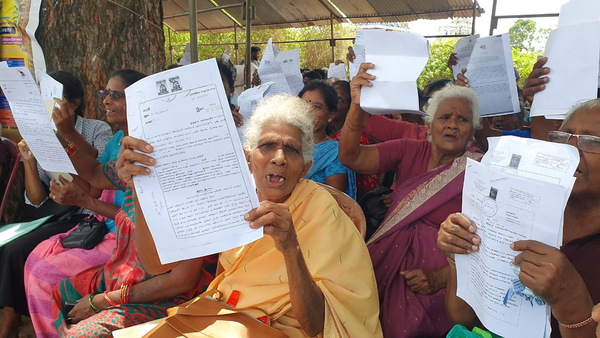
Displaced residents of Valikamam North display title deeds to their ancestral lands during an earlier protest, demanding the return of properties that remain under military control decades after their displacement.

Valikamam North Tamils Mark 36th Anniversary of Displacement With Protest


Share this post

JAFFNA, Sri Lanka — Tamil residents displaced from the Valikamam North region more than three decades ago were expected to march on the Jaffna District Secretariat on Monday to demand the return of ancestral land that remains under military control, 17 years after the end of Sri Lanka's civil war.

The protest, organized by the Mayiliddy Resettlement Development Committee, marks the anniversary of the displacement, which began on June 15, 1990, when residents were ordered from their homes as fighting intensified across the Jaffna Peninsula. Large tracts of the region, including thousands of privately owned plots, were later absorbed into a military-run high-security zone.

The committee is demanding the immediate release of civilian land and the full resettlement of displaced families in their places of origin. In a statement, it called on political leaders, civil society groups, and residents across the Northern Province to support the campaign, which it described as a struggle for land rights, livelihoods, and justice.

Tens of thousands of Tamils were forced from Valikamam North at the height of the war between government forces and the Liberation Tigers of Tamil Eelam. Many have been unable to return even after the war ended in 2009 with the group's defeat, because large portions of their property remain occupied by the military.

A separate vigil was scheduled at Palaly Junction, near the boundary of the Valikamam North High Security Zone, from 8:30 a.m. to 4:30 p.m. on Monday.

Share this post

Be the first to know

Join our community and get notified about upcoming stories

Subscribing...
You've been subscribed!
Something went wrong
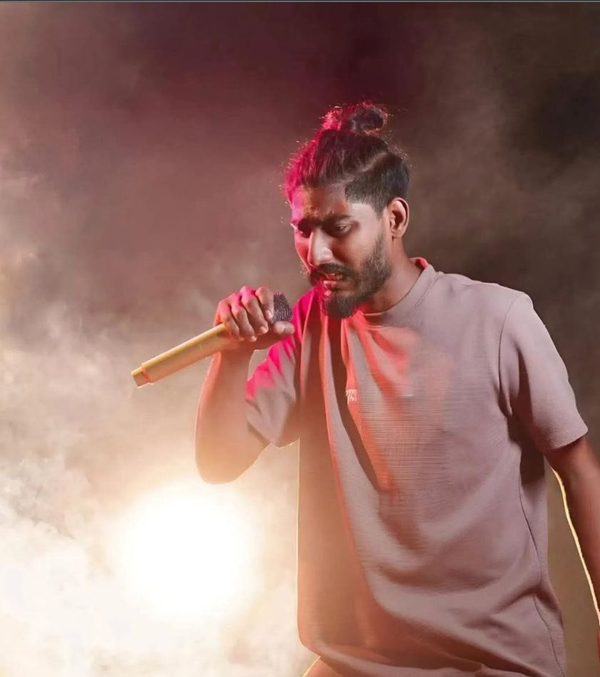
JVP Sang the Same Songs. Only Tamil Rapper Went to Jail.
Sangeethasan Ganeskumar

JVP Sang the Same Songs. Only Tamil Rapper Went to Jail.

By M.R. Narayan Swamy “O land that yearned for valour O soil where Tamil pride has flourished The land where history was born And gave the nation its national leader (Prabhakaran) A bronze statue of the Tamil national leader Shall stand in the land of his birth.” These lyrics are not from the Tamil Tigers’ liberation songs. They are from a song — believe it or not — popularized by Sri Lanka’s incumbent ruling party, whose government has now sent a young Tamil man to prison for singing


M.R. Narayan Swamy

M.R. Narayan Swamy

Why Sri Lanka Has Yet to Unlock the Indian Market

Why Sri Lanka Has Yet to Unlock the Indian Market

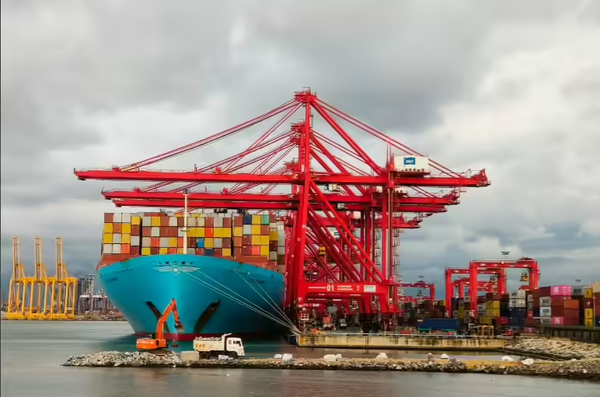
By M.R. Narayan Swamy Why are India and Sri Lanka struggling to embrace a mutually beneficial trade agreement despite plenty of attempts? Why do exports to India account for only about 6 percent of Sri Lanka’s total exports? Colombo and New Delhi have long sought to upgrade the original India-Sri Lanka Free Trade Agreement (ISFTA) by addressing its shortcomings and expanding its scope to include services and investment provisions. The Comprehensive Economic Partnership Agreement (CEPA) was pr


M.R. Narayan Swamy

M.R. Narayan Swamy

At Jaffna University, a Damaged Vesak Lantern Tests a Fragile Consensus

At Jaffna University, a Damaged Vesak Lantern Tests a Fragile Consensus

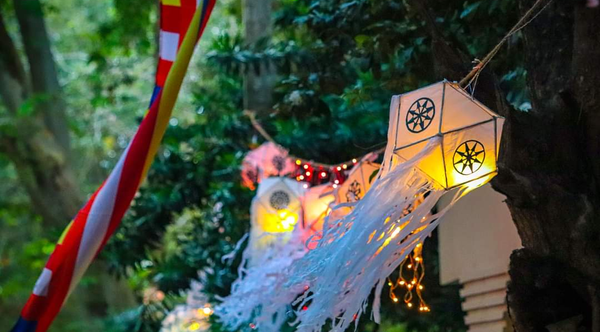
JAFFNA, Sri Lanka — When a few Vesak lanterns erected by Sinhala Buddhist students at the University of Jaffna were vandalized this week, the damage itself was limited. What followed was more unusual: student leaders, university representatives, and even Tamil nationalist politicians quickly united to condemn the act and reject attempts to turn it into an ethnic controversy. The lanterns, displayed as part of Vesak celebrations at the university’s Faculty of Management Studies and Commerce, wer


Our Reporter

Our Reporter

Deepthi Attygalle, Pioneer of Sri Lankan Anaesthesia, Dies at 86
Deepthi Attygalle

Deepthi Attygalle, Pioneer of Sri Lankan Anaesthesia, Dies at 86

Deepthi Attygalle, the Sri Lankan anaesthesiologist whose work on magnesium sulphate became an important reference point in the treatment of severe tetanus, died on June 1, 2026. She was 86. For much of the twentieth century, severe tetanus was managed by heavily sedating patients and supporting them on mechanical ventilators for weeks at a time, a regimen that consumed intensive-care resources often unavailable in many developing countries. At the General Hospital in Colombo, Dr. Attygalle and


Jaffna Monitor

Jaffna Monitor