

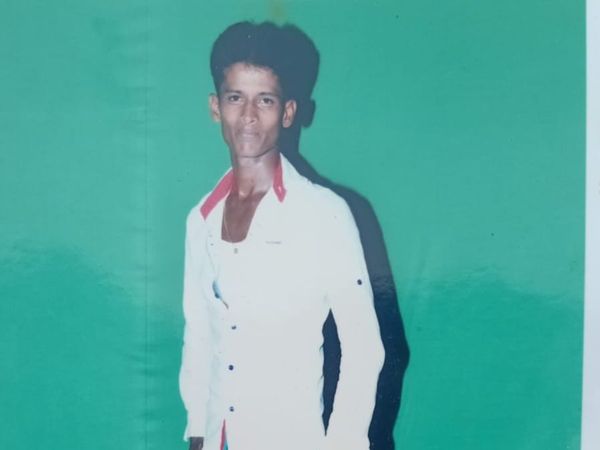
The death of a 32-year-old man whose body was recovered from the Muththaiyankattu reservoir in Mullaitivu has led to the arrest of three army personnel and reignited debate over the military’s role in the North. But an autopsy has poured cold water on the most sensational claims — no, the army didn’t beat him to death, despite what some hardcore Tamil nationalists and websites insist.
The Victim and the Incident
The deceased, Edhirmannasingham Kapilraj, a father of a seven-month-old infant from Kokkuvil, Jaffna, had reportedly married an underaged girl and was living in Muththaiyankattu. According to sources, Kapilraj and a few companions entered the Muththaiyankattu army camp, allegedly to collect — or, let’s be honest, steal — scrap metal.
The camp is in the process of being dismantled. A credible source told Jaffna Monitor that Kapilraj’s group was in cahoots with a few soldiers and had an informal scrap business arrangement. Normally, they collected scrap when their “inside contacts” were on duty. But on this fateful day, the wrong soldiers were manning the gates. Seeing strangers, the sentry assumed they were intruders and gave chase. The locals, who knew the terrain, escaped easily, but Kapilraj — being Jaffna-born and unfamiliar with the geography — ran straight into the reservoir, slipped, and drowned, a friend told our Mullaitivu correspondent.
A post-mortem at Jaffna Teaching Hospital confirmed this account, declaring the cause of death to be drowning.
Camp Life and Side Hustles
The Muththaiyankattu camp, once home to 1,000 troops, is now a skeleton unit and, according to sources, will soon close entirely. Locals say some soldiers have side hustles — scrap deals, the odd illicit alcohol sale, and the occasional village romance. And no, it’s not unique to Muththaiyankattu, another source revealed.
One source claimed the chain of events began when a soldier friend of Kapilraj gave him Rs. 1,000 to buy toddy. Kapilraj pocketed the cash and stopped answering calls. Later, the same friend phoned him from another soldier’s number and, it seems, told him: “Forget the money — just come now and collect scrap metal.” The source believes this was a set-up to teach him a lesson, as a different set of soldiers was on sentry duty at the time. A military contact, however, scoffed at this, saying soldiers can’t simply wander out and buy toddy — “there’s strict vigilance.”
Arrests and Remand

Police initially met some reluctance from the army in handing over suspects but eventually secured cooperation. Six soldiers were questioned, and three were remanded.
Community Reaction and Political Theatre
The incident has given Tamil nationalist politicians fresh material. TNPF leader Gajendrakumar Ponnambalam, never one to miss a dramatic moment, declared: “As long as the military continues in the same genocidal frenzy, there will be no safety for any Tamil person living in Mullaitivu or anywhere else in the North and East.”
Meanwhile, ITAK acting secretary M.A. Sumanthiran — still trying to claw his way back into the political mainstream after being shown the door by voters — called for a North–East hartal on August 15 against the military presence. The response? Most business leaders and even many politicians, including those from his own party, dismissed it as a bad joke.
They reminded Jaffna Monitor that Sumanthiran himself was once heavily guarded by STF and army personnel after credible intelligence suggested he was on the hit list of former LTTE members trying to regroup.
They also acknowledged that while the army’s overwhelming presence in the North and East should be reduced and private lands returned, in recent years soldiers have generally maintained cordial relations with locals — even building houses, parks, and infrastructure with military resources. Their parting shot: “Protesting the military’s presence is fine and even somewhat necessary. But Sumanthiran doing it? That’s like a cat protesting milk.”