COLOMBO — A sitting judge of Sri Lanka’s Supreme Court has taken an unusual step beyond the country’s borders, turning to the Indian judiciary in an effort to force Google to remove online articles he says have shadowed his reputation for nearly a decade.
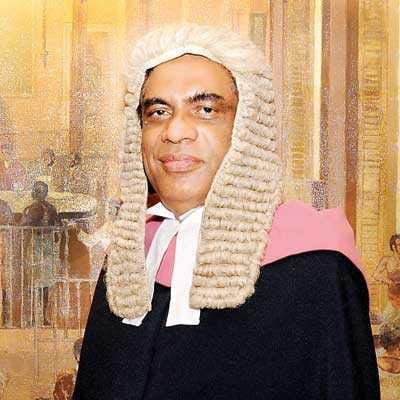
Justice A.H.M.D. Nawaz, who sits on Sri Lanka’s highest court and previously served as President of the Court of Appeal, has petitioned the High Court of Karnataka in Bengaluru, asking it to direct Google India to remove links to articles published in 2015 and 2020 by the Sri Lankan websites Colombo Telegraph and Lanka eNews.
According to reports in Indian newspapers including The Hindu, The Hindustan Times and The Indian Express, the Karnataka High Court on Thursday issued notices to Google India and India’s Ministry of Electronics and Information Technology, directing them to respond by March 16. The court also instructed Justice Nawaz to send personal notices to the two Sri Lankan publications.
Legal experts in India say the case is unusual: a senior judge from one country seeking relief in a foreign court over alleged reputational harm caused by online publications.
Why the Case Was Filed in India
Justice Nawaz’s petition argues that pursuing defamation proceedings in Sri Lanka presents a fundamental legal dilemma.
As a sitting judge of the Supreme Court of Sri Lanka, initiating litigation within the country’s judicial system could raise concerns under the longstanding legal principle nemo judex in causa sua — the rule that no person should be a judge in their own cause.
His lawyers told the Karnataka High Court that bringing such proceedings in Sri Lanka could create ethical and institutional complications.
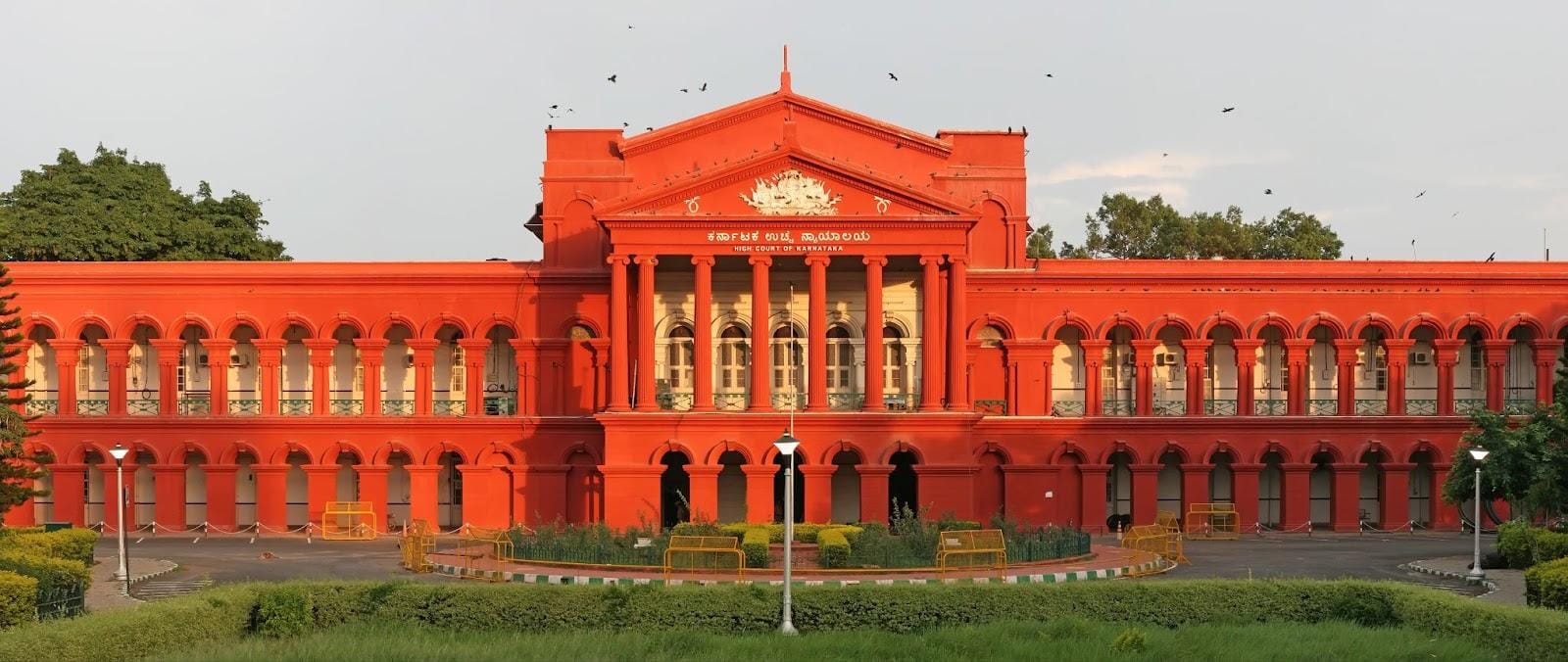
Instead, the petition asserts that the Karnataka High Court has jurisdiction because Google India’s headquarters are located in Bengaluru, while the allegedly defamatory material continues to circulate globally through its search platform.
Justice Nawaz had previously attempted to resolve the dispute without litigation. In September 2023, he issued legal notices to Google and the publishers requesting removal of the articles. The material remained online, and Google reportedly responded that it could not remove the links without a court order.
Articles at the Centre of the Dispute
The articles cited in the petition relate to two controversies during Justice Nawaz’s earlier career.
Articles published by Sri Lankan websites, including Lanka eNews, referred to allegations linking Nawaz — who at the time served as Deputy Solicitor General in the Attorney General’s Department — to a bribery investigation connected to a disputed legal opinion involving a state-owned company. The publication also reported that he had been removed from hearing certain cases by successive Presidents of the Court of Appeal.
A separate set of articles published in 2020 questioned his appointment as President of the Court of Appeal, a position he assumed after the Constitutional Council approved a recommendation by then-President Gotabaya Rajapaksa.
Later that year, Nawaz was appointed to the Supreme Court, where he has served since December 2020.
His counsel told the Karnataka High Court that no finding of misconduct has ever been made against him during his judicial career.
In the petition, Justice Nawaz describes the articles as baseless allegations that amount, in the words quoted by The Indian Express, to “a murder of reputation and an assassination of character.”
The petition also claims the articles continue to appear prominently in Google searches for his name — including results where derogatory phrases appear alongside it — causing what the judge describes as “grievous damage” to his standing in the international legal community.
Constitutional and International Arguments
The legal arguments in the petition extend beyond conventional defamation claims.
Justice Nawaz’s lawyers invoked Article 21 of the Constitution of India, which guarantees the right to life and personal liberty. They argue that Indian courts have interpreted the provision as extending to all individuals, including foreign nationals, and that the right encompasses dignity and reputation.
The petition also references the International Covenant on Civil and Political Rights (ICCPR), asserting that the continued circulation of the articles infringes internationally recognised protections of personal dignity.
At the centre of the filing is a claim resembling the “right to be forgotten,” a legal doctrine developed more extensively in European jurisprudence that allows individuals, under certain circumstances, to request the removal of search engine links to information about them.
A Test of Cross-Border Digital Jurisdiction
The case comes at a time when courts across South Asia are increasingly confronting questions about the regulation of global technology platforms and the persistence of disputed information on the internet.
India’s Supreme Court has separately indicated that it intends to examine whether a legal “right to be forgotten” should apply to online news content — an issue that could intersect with the Karnataka proceedings.
Legal analysts say the case raises complex questions about cross-border jurisdiction, platform responsibility, and the balance between free expression and reputational rights in the digital age.
The Karnataka High Court is expected to hear the matter again on March 16, when responses from the Indian government and Google India are due.