
OP-ED


The Dam They Can't Account For

The Dam They Can't Account For

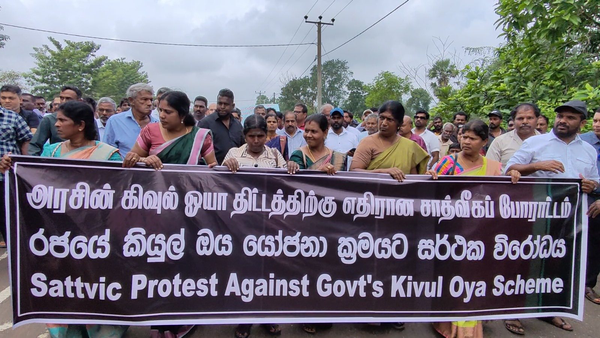
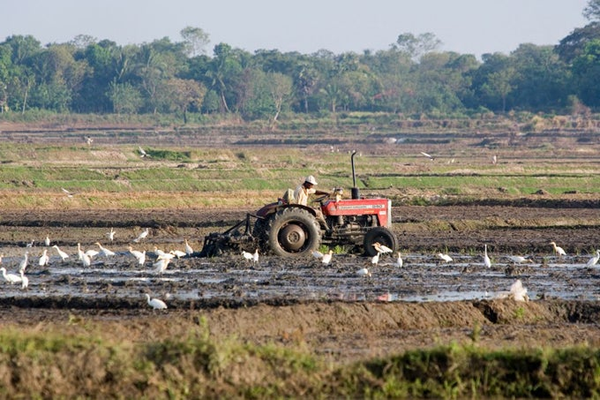
By Sidhartha Thamby Somewhere in the ledgers of Sri Lanka's Cabinet Office, between the fiscal crisis minutes and the debt-restructuring files, sits a two-paragraph decision that will reshape rivers, forests, and livelihoods across Vavuniya, Mullaitivu, and the wider northern dry zone. Approved quietly in January 2026, it revived the Kivul Oya Reservoir Project — suspended only two years earlier because the country had run out of money — at a cost of Rs. 23,456 million. That figure is not a typ


Sidhartha Thamby

Sidhartha Thamby

Reconciliation in Sri Lanka: Enough Promises, Time for Proof

Reconciliation in Sri Lanka: Enough Promises, Time for Proof

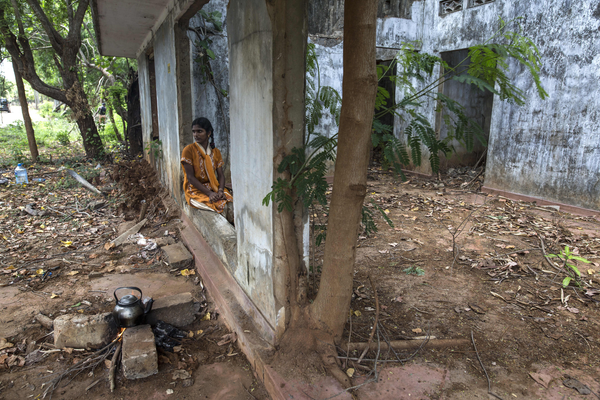
Seventeen years after the end of Sri Lanka’s civil war, reconciliation remains more slogan than substance. It is invoked in speeches, embedded in policy frameworks, and repeated in international forums, but for many citizens, particularly in the North and East, it has yet to translate into meaningful, lived change. The uncomfortable truth is this: Sri Lanka does not suffer from a lack of reconciliation mechanisms. It suffers from a lack of political will, consistency, and sustained execution. R


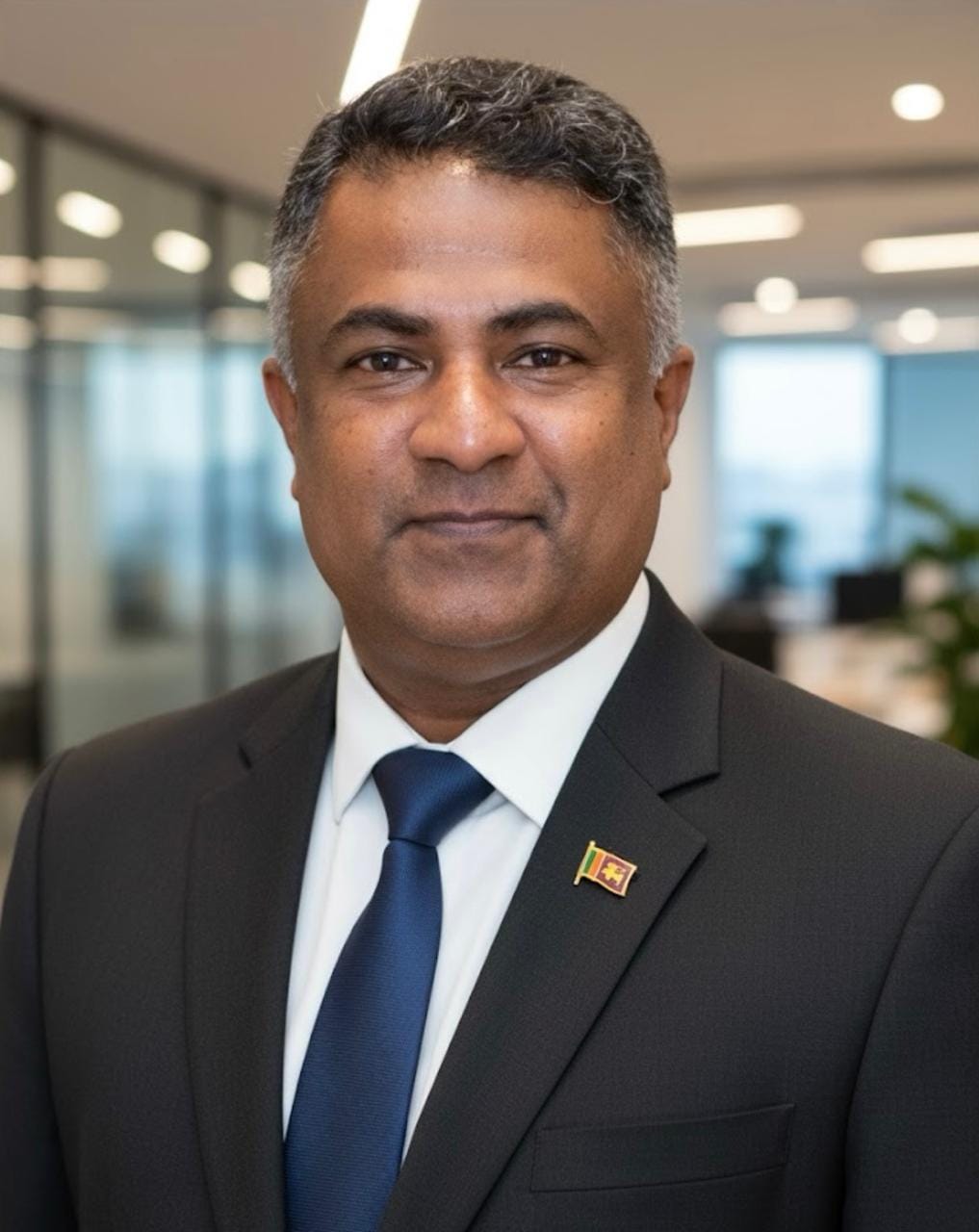
Colonel Nalin Herath

Colonel Nalin Herath

India-Sri Lanka Fishing Row Risks Dangerous New Escalation After Violent Sea Assault

India-Sri Lanka Fishing Row Risks Dangerous New Escalation After Violent Sea Assault

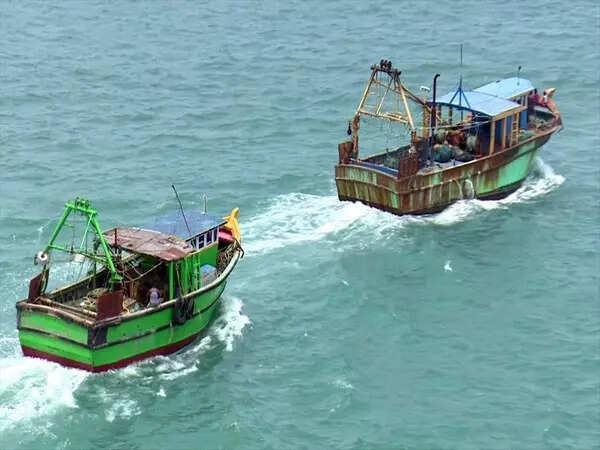
By M.R. Narayan Swamy “The fishermen issue is an unnecessary irritant that has been allowed to fester for too long,” says Yashvardhan Kumar Sinha, a former Indian High Commissioner to Sri Lanka, hitting the nail on the head. A diplomat who has studied the dispute from close quarters, Sinha made the comment in a just-released book on India-Sri Lanka relations. Like many other Indians, Sinha is aghast that bottom trawlers from Tamil Nadu are causing enormous and lasting environmental destruction


M.R. Narayan Swamy

M.R. Narayan Swamy

Sowing the Future

Sowing the Future

A policy framework for agricultural revival in Sri Lanka's Northern Province — and the case for treating it not as a welfare programme, but as an economic system designed to win. By Jeevan Thiagarajah The Northern Province of Sri Lanka holds more than 100,000 hectares of paddy land, some of South Asia's most productive onion soil, and a coastline that ranks among the country's richest fishing grounds. Revitalising it is not merely a regional ambition — it is a national opportunity. This pie


Jeevan Thiyagaraja

Jeevan Thiyagaraja

The Double-Edged Sword: Navigating the Human and Social Paradoxes of the Bhagavad Gita
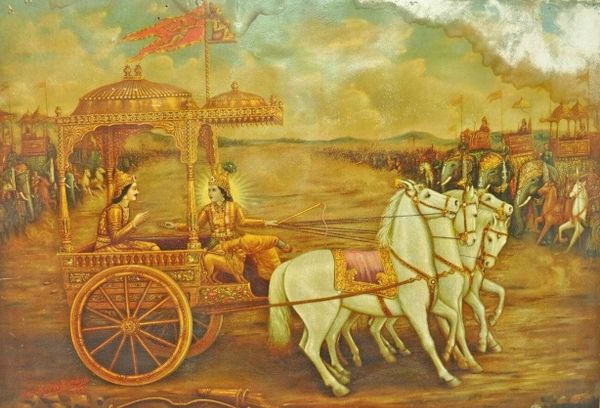
The warrior prince Arjuna and his charioteer Krishna - the key protagonist of the Mahabharata war. Image obtained from Wikipedia under the Creative Commons Licence

The Double-Edged Sword: Navigating the Human and Social Paradoxes of the Bhagavad Gita

Mahesh Nirmalan MD, FRCA, PhD, FFICM, University of Manchester, United Kingdom Human life is defined by a deep-seated paradox which at times may seem unsurmountable. On the one hand we are biological organisms subject to the rules of physics and chemistry and therefore subject to entropy, decay and dissolution. We get hungry, tired, we age and ultimately, we all cease to function. Yet within this fragile and time limited existence there remains a sense of ‘I’ or ‘me’ that feels constant. Despit


Prof. Mahesh Nirmalan

Prof. Mahesh Nirmalan

Charith: The Cost of War, Carried for Life

Charith: The Cost of War, Carried for Life

By: Dr. Gamini Goonetilleke I first met Charith in the early hours of 19th November 2008, in Ward 8 of Sri Jayewardenepura General Hospital. He arrived as a wounded soldier from the war front, bearing injuries that would change the course of his life forever. For three months he remained under my care, during which time our relationship grew beyond that of surgeon and patient. Years later, Charith recognizes me not by sight but by the sound of my voice. Sadly, he lives in permanent darkness. C


Dr. Gamini Goonetilleke

Dr. Gamini Goonetilleke

A Guest List, Not a Policy Signal

A Guest List, Not a Policy Signal

By: K. Selvarathnam In a recent commentary for Jaffna Monitor, the veteran Indian journalist M. R. Narayan Swamy argued that the exclusion of Douglas Devananda from India’s Vice President C. P. Radhakrishnan’s April 19 meeting with Sri Lankan Tamil leaders at the Taj Samudra was more than an oversight. It was, he suggested, a slight to the Eelam People’s Democratic Party leader and, by extension, evidence of a “gaping hole” in New Delhi’s Sri Lanka policy. With due respect to the writer, howev


Jaffna Monitor

Jaffna Monitor

Black holes in India’s Sri Lanka Tamil policy

Black holes in India’s Sri Lanka Tamil policy

By M.R. Narayan Swamy When Indian Prime Minister Rajiv Gandhi prepared to fly to Colombo in July 1987, Tamil politicians and militants from Sri Lanka were invited to New Delhi to approve a proposed bilateral pact that sought to end Tamil separatism. Velupillai Prabhakaran, the founder leader of the Liberation Tigers of Tamil Eelam (LTTE), and his team were put up in the five-star Hotel Ashok, no doubt because the Tigers were the most formidable force in the military arena, even if they were a


M.R. Narayan Swamy

M.R. Narayan Swamy