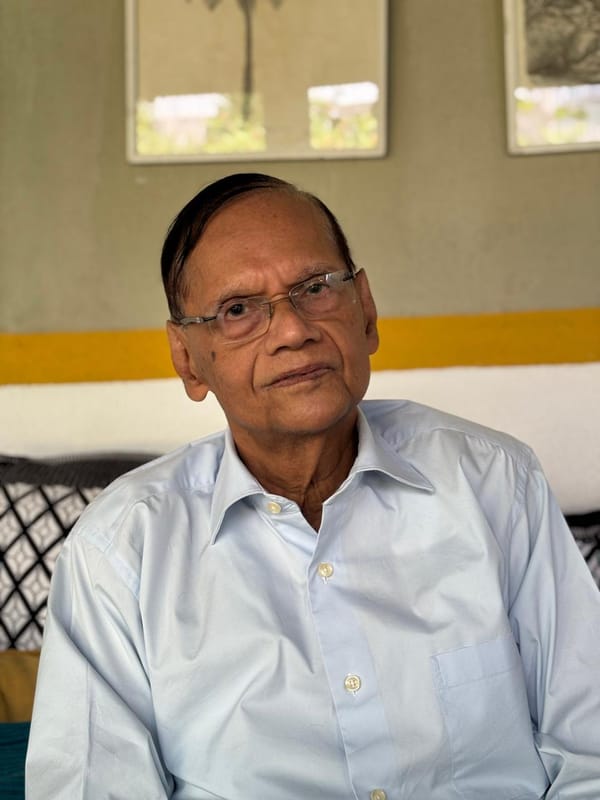
Tamil Progressive Alliance leader Mano Ganesan has appealed to the United Nations to intervene in what he characterised as the systematic exclusion of Hill Country plantation communities from Sri Lanka's post-disaster reconstruction programme following Cyclone Dithwa.
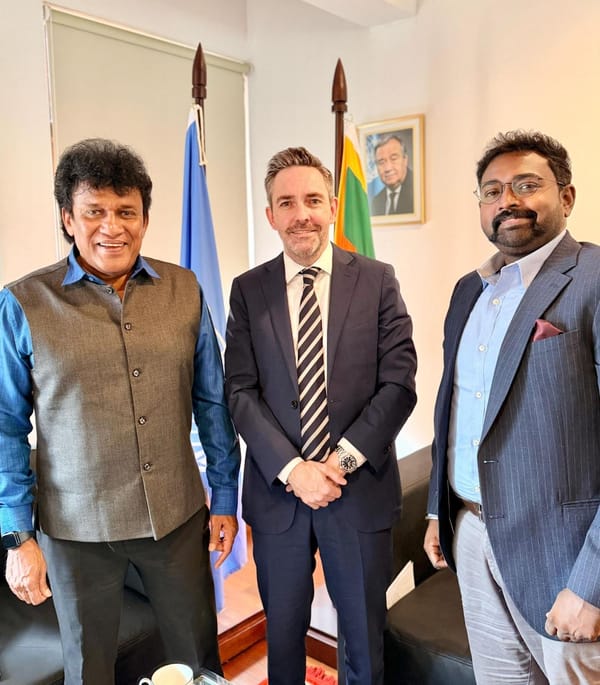
In a meeting with UN Resident Coordinator Marc-André Franche at the UN office in Colombo, Mano Ganesan said the government's Rebuilding Sri Lanka housing scheme had failed to include plantation families displaced by the December cyclone, despite offering up to Rs. 5 million in housing assistance and land allocations to other affected households.
According to Mano Ganesan, Hill Country Tamils — descendants of Indian Tamil labourers brought to Sri Lanka during British colonial rule — have been directed exclusively toward an Indian government-assisted housing project, effectively barring them from the broader national reconstruction programme administered by the Disaster Management Centre.
He cited statements by the Commissioner-General of Essential Services indicating that plantation communities would be accommodated only under the Indian housing scheme, raising questions about their status as Sri Lankan citizens.
"Are Hill Country Tamils not citizens of Sri Lanka? Why are the rights and benefits granted to other disaster-affected citizens denied to our people?" Mano Ganesan asked in a statement issued after the meeting.
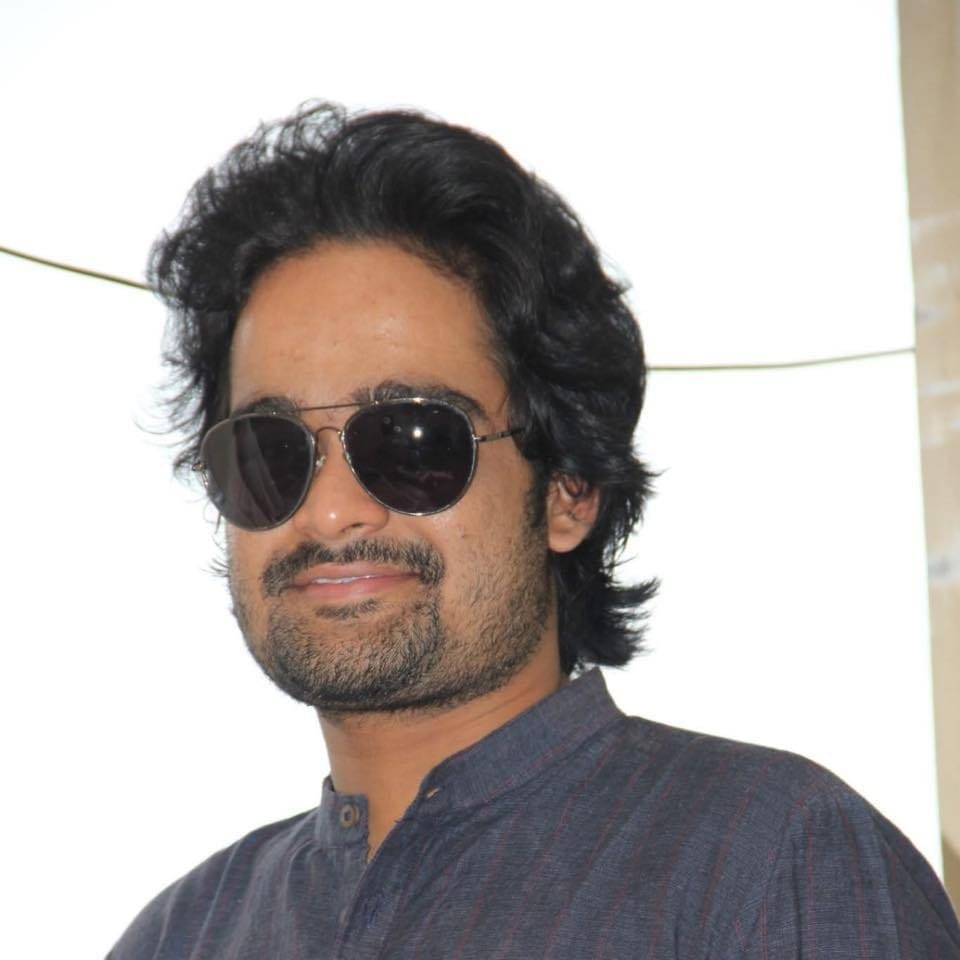
The TPA leader was accompanied by Bharath Arulsamy, Deputy Leader for international affairs of the Democratic People's Front and a member of the TPA political committee.
Mano Ganesan described the policy as discriminatory, arguing that the denial of housing grants and land allocations amounted to what he called "a form of apartheid against Hill Country Tamils."
Three-point demand
The TPA leader presented three demands to the UN coordinator:
First, the inclusion of all displaced plantation families in the President's housing and land allocation scheme. Mr Ganesan argued that since plantation lands are state-owned and leased to plantation companies, the government has the legal authority to identify safe land within estates and allocate it to affected families under emergency regulations and land acquisition laws.
Second, the continuation of the Indian government housing programme as a separate, complementary initiative rather than a substitute for the Sri Lankan government's obligations to its own citizens.
Third, the rejection of apartment-style housing blocks within plantations, citing concerns over land rights, social cohesion, and security.
"International assistance channelled through the United Nations for post-Dithwa reconstruction was intended to benefit all affected Sri Lankans," Mr Ganesan said. "Global partners and the UN are supporting Sri Lanka so that no community is left behind. Excluding a section of citizens defeats the purpose of this assistance."
Historical marginalisation
Hill Country Tamils have long faced marginalisation in Sri Lanka. Brought to the island as indentured labourers to work on tea and rubber plantations during British rule, many were rendered stateless after independence in 1948. Though successive agreements between India and Sri Lanka and later legislation granted citizenship to most, the community continues to face socio-economic disadvantages, living largely in line rooms on plantation estates with limited access to land ownership.
Cyclone Dithwa, which struck Sri Lanka in late December 2024, caused widespread destruction across several districts, with plantation areas in the Central Highlands among the hardest hit. The storm triggered landslides and flooding that destroyed homes and displaced thousands of families.