
By: M.R. Narayan Swamy
Bettering the proverbial cat, the Tamil Tigers radio had two dozen lives!
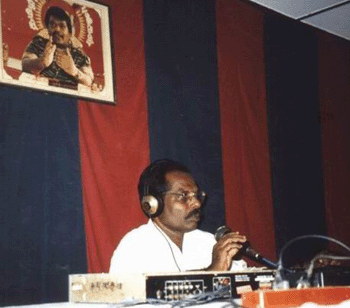
From its rudimentary beginnings in Jaffna, the Voice of Tigers (VOT), or Puligalin Kural, grew into a powerful radio station that broadcast news and other programmes in Tamil from the dense forests of Sri Lanka.
The station chronicled the war fought by the Liberation Tigers of Tamil Eelam (LTTE), albeit with an inherent bias favouring the Tamil guerrillas, till May 2009 when the Sri Lankan military crushed the Tigers, silencing the radio forever.
Today, more than 16 years after the guns fell silent, some of the VOT radio’s ex-employees are scattered across the island nation’s north and east, the former war theatre, doing odd jobs to keep themselves alive.
“Sir, we lived through a fascinating though dangerous time,” recalled RA, who had a narrow escape when the air force once bombed the transmission studio while he was present inside.
That was many years ago. RA, who now lives in Jaffna, says he has forgotten the date and is unsure whether the incident occurred in 2006 or 2007. But he survived the air attack.
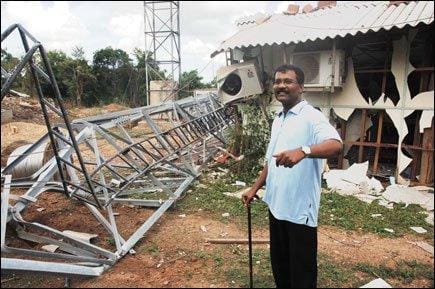
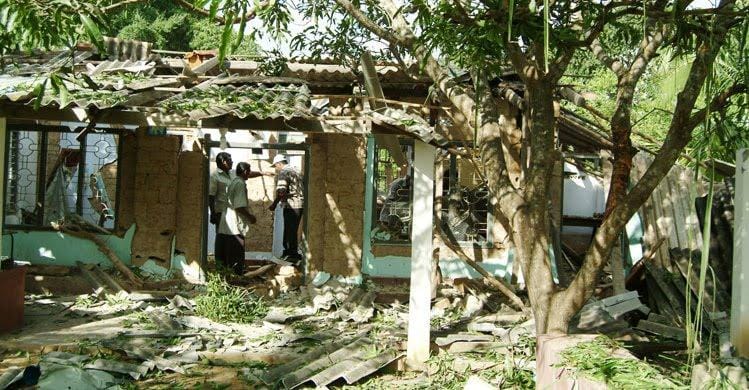
According to both published reports and former employees, the military tried to knock out the radio as many as 23 times. Each time it survived by moving its transmitter and other equipment hurriedly to a new spot.
One such attack in 2007 left several employees dead. But the VOT adamantly refused to die, exasperating and mocking Colombo.
Every November, when LTTE founder-leader Velupillai Prabhakaran gave a speech to mark Heroes’ Day, the VOT was the first to air it and make it public. As long as the war lasted, the statement was eagerly awaited to gauge if there was even a remote chance for peace to dawn.
It was in 1986, three years after the LTTE’s fight for an independent Tamil state in Sri Lanka’s northeast transformed into an insurgency, that a small-scale television network, Nitharsanam, was opened by the Tigers in Jaffna.
Two years later, the LTTE launched a newspaper, Voice of Tigers. In November 1990, the year when the guerrillas resumed their separatist war after Indian troops quit Sri Lanka, it became a radio station.
To begin with, it was a small operation. Loudhailers strategically placed atop buildings and fastened to electric posts at various locations in Jaffna, held by the Tigers, relayed the programmes.
In its initial years, it could not be heard clearly even in many of Sri Lanka’s violence-hit areas due to inadequate facilities and poor transmission quality.
As the war progressed and the Tigers began grabbing more and more territory, the VOT shifted its base to Kilinochchi — for long the guerrillas’ de facto capital — and finally to Mullaitivu District, where the Tigers ultimately met their doom.
“It was fascinating to listen to VOT,” recalled a retired government employee in Jaffna interviewed over the telephone. “I was young then. We tuned in to learn about the situation on the military front. It was thrilling.
The radio came alive, in two sessions every day, broadcasting news, analyses, political situation, cultural events, foreign news, heroic songs, military updates, music, poems, sports, social commentary, and death announcements.
Its small team of journalists at times reported directly from scenes of fighting. Naturally, listeners could hear exploding shells in the background during the broadcasts.
According to many in Sri Lanka’s Tamil areas, the VOT’s importance increased as the state-run Sri Lanka Broadcasting Corp (SLBC) could not be relied upon to convey the truth regarding the escalating armed conflict.
“The SLBC was a monopoly. There were no private radios then. The LTTE realised that Tamils needed their own radio,” said another former employee who lives in Mullaitivu. “That’s how VOT was born.”
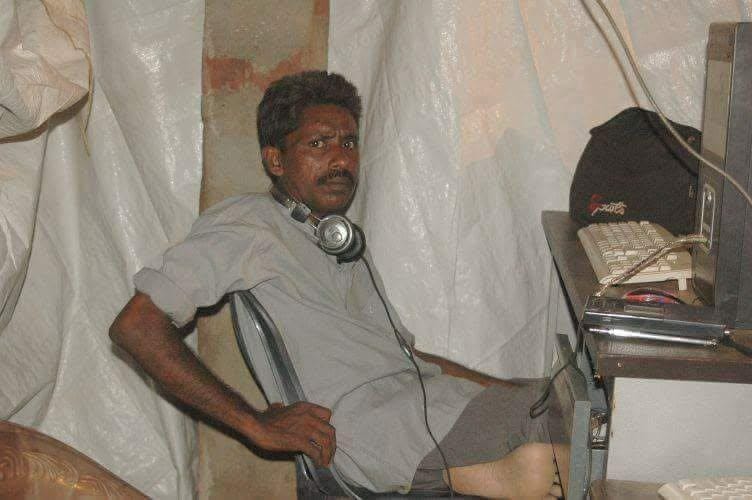
Hearing VOT was itself no less an adventure, more so in Tamil areas held by the military.
Prolonged power outages and lack of batteries often came in the way of listening to the radio, although Tamil ingenuity overcame the odds. As for the LTTE, it owned diesel-run generators smuggled from India to power its radio operations.
At its peak, the VOT had as many as 180 employees, claimed a former LTTE member, though others said the strength was only in the two digits. Some earned money for their work, from Rs. 2,500 to Rs. 13,000 a month.
Where were the VOT’s journalists and technicians trained?
“Believe it or not, barring a few, all of us were self-trained,” said former employee N. “We perfected ourselves by listening to the BBC, Radio Veritas (of the Philippines), and CNN.”
RA added, “We were the voice of the struggle. Everyone in Tamil areas listened to us — even the enemy. But it was risky work. The enemy’s singular aim was to destroy us.”
The advent of the internet and Norway’s decision later to provide a powerful transmitter with Colombo’s nod after a peace process began in 2002 dramatically and qualitatively transformed the VOT’s reach.
Much to the chagrin of Sri Lanka, the radio, with technological and satellite aid, could be heard not only in distant New Delhi but also in countries home to hundreds of thousands of Tamils of Sri Lankan origin.
VOT even broadcast in the Sinhalese language for brief periods. And when the military lost control of areas to the Tigers, the radio would advise those in government-held territory to move to safety.
In just over a decade, the once clandestine establishment turned into a multi-faceted media network. In some ways, this mirrored the LTTE’s leapfrogging expansion in the late 1990s.
At the start of 2009, the year when the Tamil Tigers were wiped out militarily amid a horrific government blitzkrieg, Sri Lanka formally banned the VOT. In April that year, the VOT suffered a lethal blow when the LTTE’s technical wing chief responsible for satellite and radio communications was killed.
As the last of the LTTE fighters, including Prabhakaran, were killed in the final battles in May 2009, VOT also met its demise, unable to withstand the meat grinder of the military onslaught.
The man in charge of VOT, known by his nom de guerre Javan, disappeared around this time and was never seen again, apparently after surrendering to the military. When the LTTE was alive and kicking, he had earned a reputation for forcing many young children from poor Tamil families to fight for the Tigers’ cause.
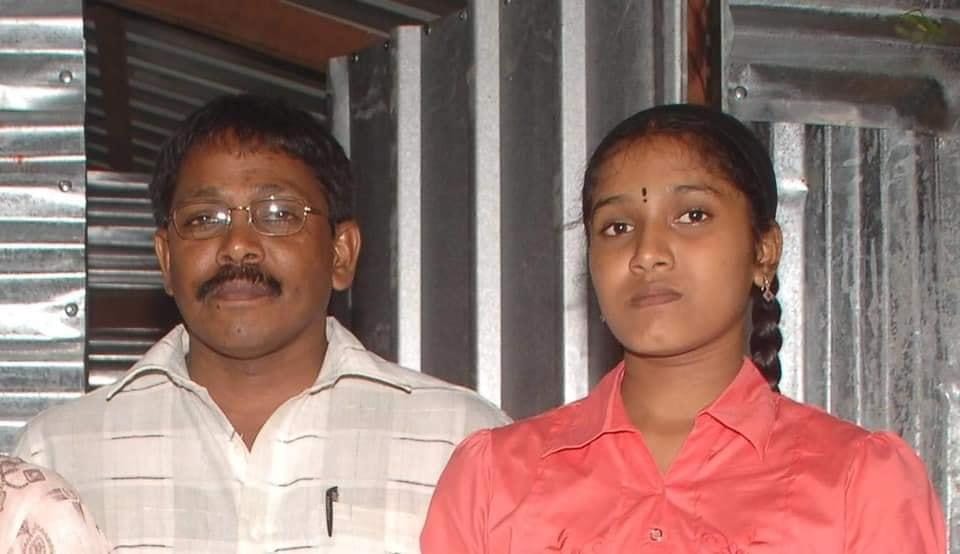
Ironically, some VOT workers managed to survive the war because of the timely intervention of a most unlikely saviour: militant-turned-politician Douglas Devananda, whom the Tigers loved to hate. Devananda, then a cabinet minister, felt that the VOT employees should not be treated as war criminals.
Today, one man who once worked with VOT provides voice-overs for private companies producing advertisements and promotional videos. ‘We can never forget those times,’ he said.
Did he — like other ex-guerrillas — expect the LTTE to be wiped out?
‘Certainly not,’ he added. ‘We were shocked and stunned by the dramatic reverses in the final years. We never imagined that we would be defeated one day.