By M.R. Narayan Swamy
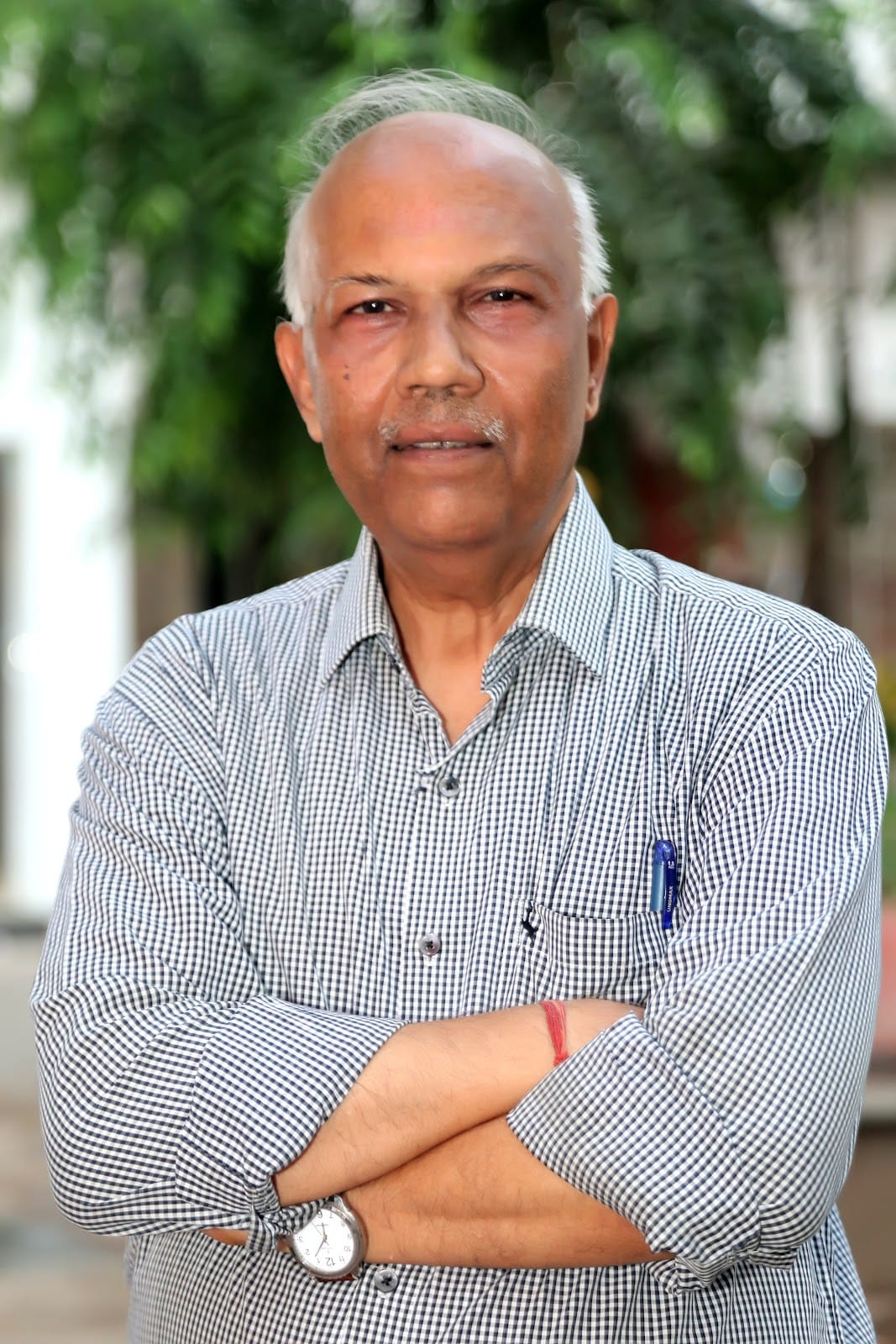
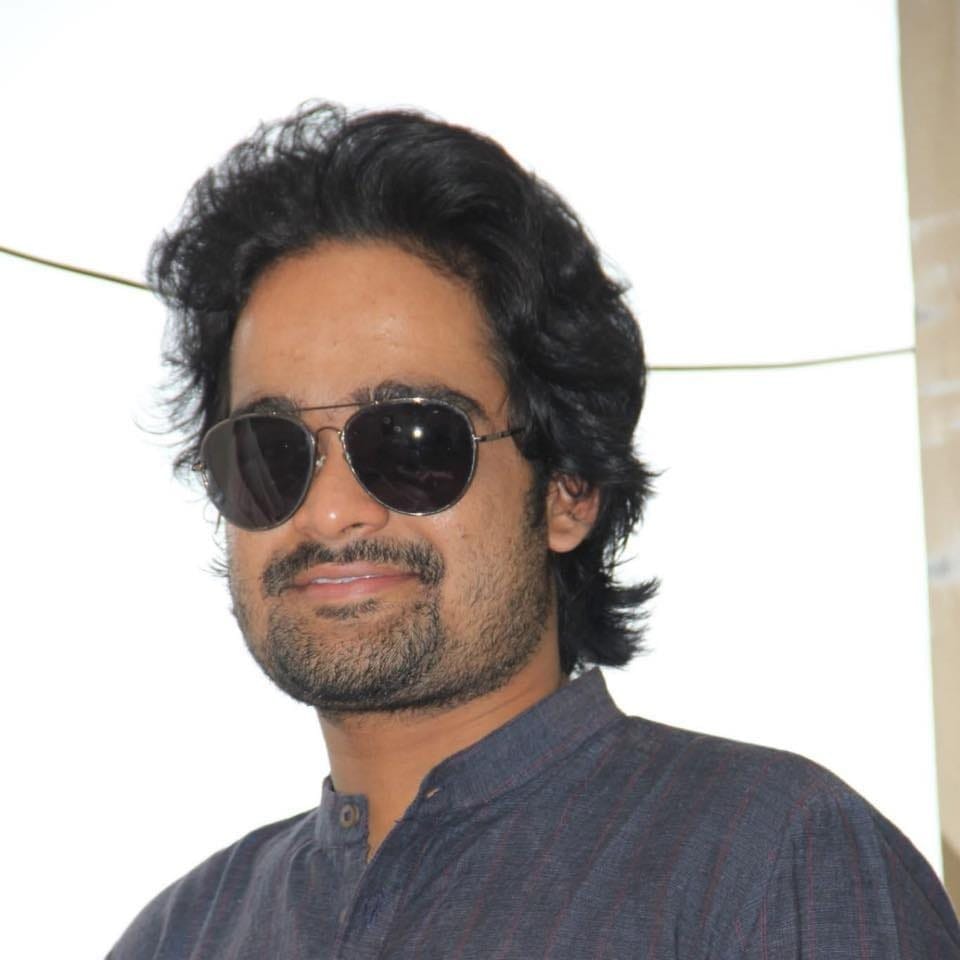
At 37, Vijayalathan leads an active life that appears, in many ways, no different from that of others in Sri Lanka. But he is completely blind, the result of a severe injury he sustained as a Tamil Tiger guerrilla in the final stages of the war.
Yet he stands as a rare example of someone who has overcome profound adversity and now helps lead a nongovernmental organization working to rebuild the lives of those affected by the separatist conflict that ended in 2009.
“I don’t worry anymore about anything. I do everything others do,” Vijaya Kumar Vijayalathan said over the telephone from the northern town of Jaffna, betraying a confidence few former Tamil Tigers fighters display.
Vijayalathan had just turned a teenager when he quit his studies and joined the Liberation Tigers of Tamil Eelam (LTTE) in 2002, the year when the Tigers and Colombo signed a Norway-brokered peace pact.
The amity didn’t last long. Amid growing strains, fighting resumed in 2006. As the war intensified, the young man found himself in the thick of intense fighting. The military rapidly gained territory, choking the seemingly invincible Tigers.
On the evening of March 30, 2009, Vijayalathan was with some other armed guerrillas at a frontline in Mullaitivu when a shell fired by the military exploded near him, catching the Tigers unawares.
One guerrilla died instantly while three others were seriously injured. One of them was Vijayalathan, whose left eye popped out of the socket while splinters tore into his right eye, besides causing horrific injuries elsewhere.
As Vijayalathan collapsed in wrenching pain, he believed he was going to die. He begged his surviving comrades to shoot him, rather than let him endure further agony or risk capture.
Fellow LTTE cadres reassured him that he would survive and tried to move him to a safer location. But medicines were in critically short supply. Unable to withstand the pain, Vijayalathan eventually slipped into a coma.
“My eyes slowly closed… The pain was terrible… I thought I was dying… I vividly remember those moments.”
When he regained consciousness on April 9, his father had taken charge of him as the once formidable LTTE showed signs of rapid disintegration.
That was when he learned that he had become completely blind — a realization both shocking and painful.
When the quarter-century-long conflict finally ended in May 2009, Vijayalathan was among the thousands who came under military custody.
Although he was in civilian clothes, soldiers concluded from his physical condition that he had been an LTTE fighter. He was not detained. Instead, he was sent to a sprawling camp for civilians at Omanthai, a site that for years had served as a key crossing point between government- and LTTE-controlled areas in Sri Lanka’s north.
Also in the camp were his equally distraught father, a younger sister, and a wheelchair-bound younger brother.
Some time later, a teacher from Mannar helped him learn Braille, the tactile reading and writing system used by the visually impaired, giving him literacy, independence, and access to written materials.
He went on to sit for the G.C.E. Ordinary Level examination and later joined a college to pursue higher studies in sociology, preparing himself for the challenges he believed lay ahead.
In 2017, Vijayalathan, who is from Kankesanthurai in Jaffna, married a woman from the Wanni region. They have three children — a son and two daughters.
It was two years later, when he wrote a slim book of some 50 poems, mostly about Tamil pride, that he came into contact with an NGO, New Life Foundation, heralding a dramatic transformation in his life.
The U.K.-based nonprofit, with hubs in several other countries, is committed to improving the lives of those affected by the war, including former LTTE fighters struggling to adjust to the demands of the post-conflict period.
The organization was founded shortly after one of its trustees, Punithawathy Nadaneswaran, traveled to Jaffna in 2016 to visit her elderly mother and was struck by the conditions faced by those affected by the war.
“I saw the wounded and maimed everywhere, although the war had ended years earlier,” Punitha, as she is widely addressed, said in a telephonic interview from London. “Everyone seemed to be suffering.”
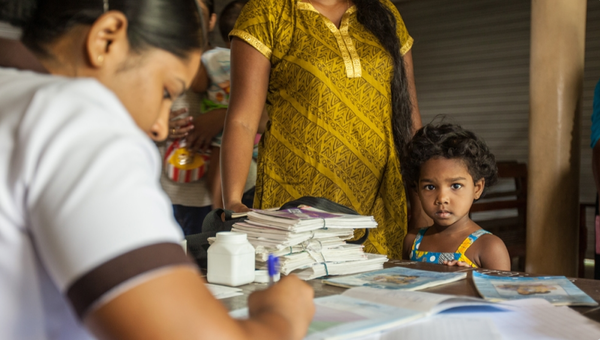
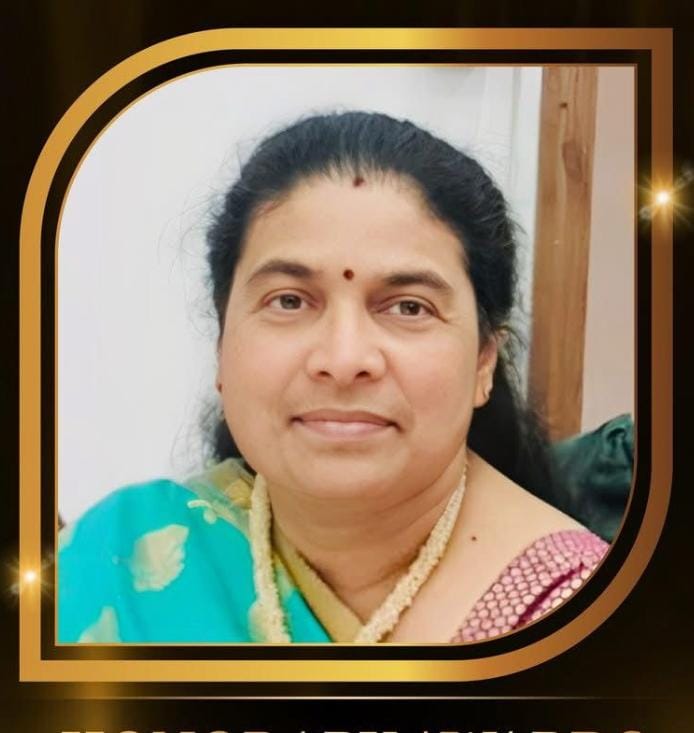
Punithawathy Nadaneswaran and several associates came together to establish the nonprofit, aiming to provide job opportunities, medical care for those in need, and education for children from disadvantaged families. Wheelchairs and other essential support were distributed to those in need.
She later came into contact with Vijayalathan when the organization was seeking a capable and reliable person to oversee its work in Sri Lanka.
It proved to be a natural fit: the nonprofit gained a local coordinator, and Vijayalathan found a renewed sense of purpose. He was appointed project coordinator.
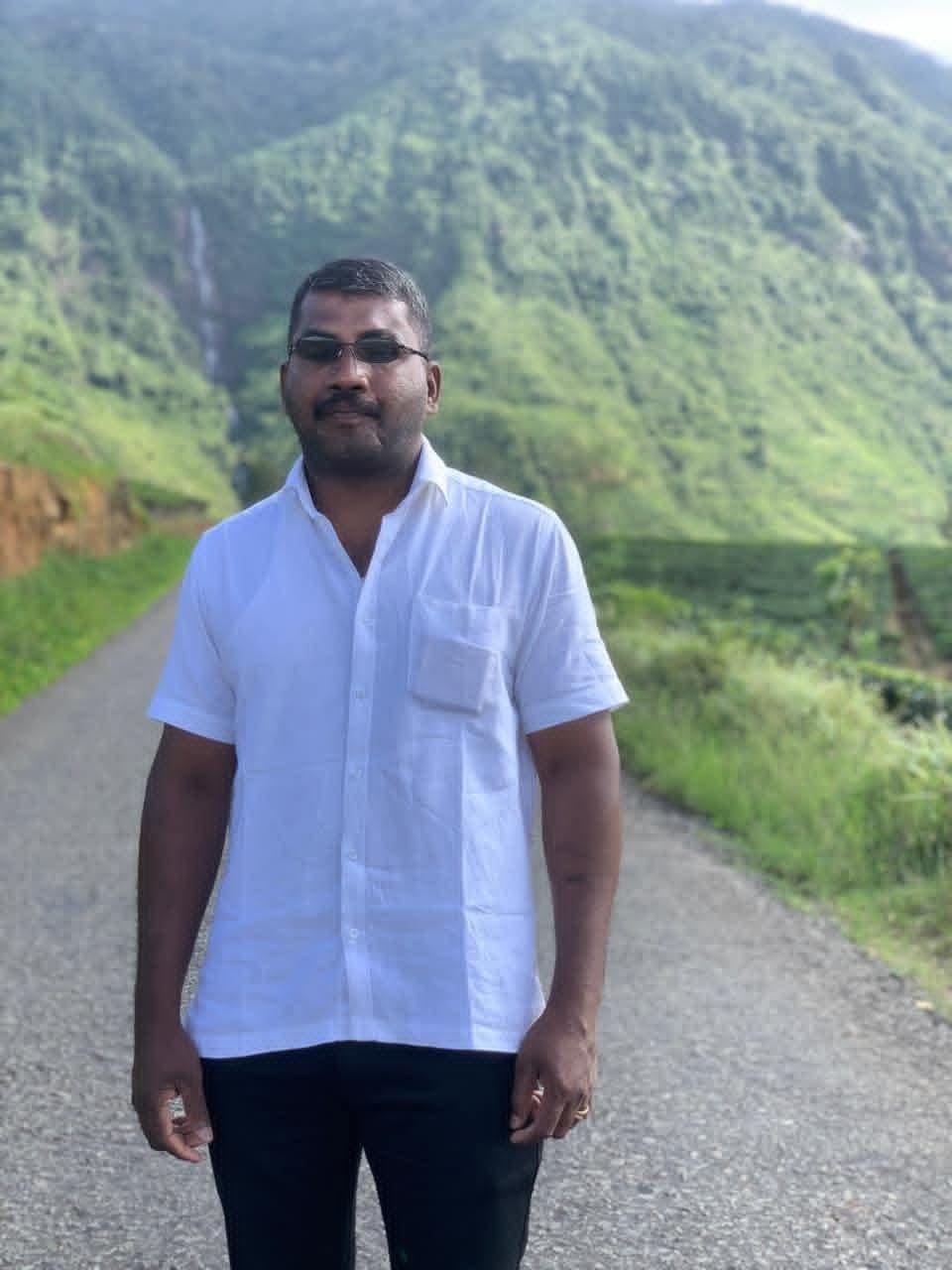
Today, Vijayalathan — guided by determination in the absence of sight — carefully monitors activities on the ground whenever the organization takes on a new case in Sri Lanka.
Despite its limited finances, the NGO has helped around 200 Tamils in different ways in Sri Lanka.
Among the beneficiaries were a woman with one leg and a man without sight who were helped to open a shop in Jaffna to make and sell batik products for which Sri Lanka is well known.
A Tamil man, Punithawathy Nadaneswaran recalled, broke down in tears when he was given a wheelchair — something he had been unable to obtain for more than a decade. “I feel as if I have new legs,” he told her.
“We trust Vijayalathan completely,” Ms. Nadaneswaran said. “We step in only after he gives the go-ahead for a beneficiary.”
On his part, Vijayalathan is modest about what he does. “Night and day may be the same to me. But I am happy I am able to do useful work.”
Vijayalathan admitted that scores of former LTTE guerrillas were leading a miserable life in Sri Lanka’s northern and eastern provinces, mainly due to lack of work opportunities because they don’t have the required education.
“Many are very intelligent, but they don’t even possess a school certificate,” he said. “The only thing they learnt is how to fight a war.” He added, “Believe it or not, some ex-fighters are today begging in Jaffna.”
Vijayalathan is now preparing for a government school teacher’s job. But even if he gets it, he will continue to work for the NGO.
Vijayalathan distinctly remembers one episode from the last months of the war.
It was on January 23, 2009, when he suddenly came in contact with LTTE founder-leader Velupillai Prabhakaran. This was at Iranaipalai, a small village in Mullaitivu district.
A cocky Prabhakaran, perhaps still confident of reversing the fortunes of the military conflict, made a claim whose significance Vijayalathan did not immediately grasp.
“They (military) are coming to catch the Tigers, eh?” the Tigers' boss remarked. “Well, they may catch the ‘vaal’ (tail), but the tiger will never be caught.”
It was the last time Vijayalathan saw the LTTE chief, who was killed in May 2009, bringing the curtains down on one of the longest-running armed conflicts.
“I didn’t understand then what he meant,” Vijayalathan said, recalling those tense times. “It was only later I realised that he meant that some fighters (tail) may get caught, but not he himself.”