JAFFNA, Sri Lanka — April 10, 2026 —
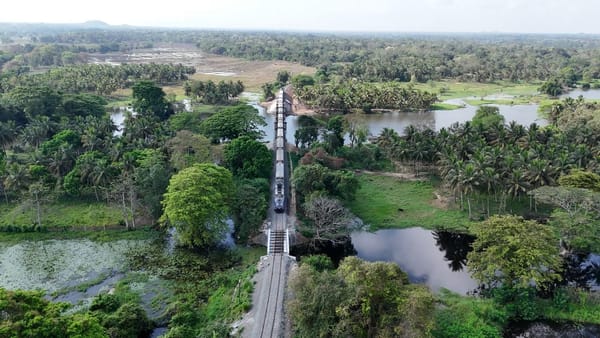
After months of disruption caused by Cyclone Ditwah, passenger trains resumed full service on Thursday between Colombo and Kankesanthurai, restoring Sri Lanka’s most important north–south rail link just days before the Sinhala and Tamil New Year.
For thousands of travelers in the Northern Province, the reopening offered immediate relief — and a familiar sense of uncertainty.
“We can travel again, but we don’t know for how long,” said S. Tharmalingam, a small trader in Jaffna who relies on the railway to transport goods to Colombo. “Every time it stops, our costs go up.”
The restoration, completed on April 9, was funded through a $5 million grant from the Government of India, part of a broader $450 million assistance package announced after the cyclone — an effort aligned with New Delhi’s “Neighbourhood First” approach to regional engagement.
Engineering teams from IRCON International, an Indian state-owned company, repaired track, bridges, and embankments at more than a dozen damaged sites, allowing uninterrupted service to resume along the Northern Line.
But even as trains began running again, the reopening has revived a question that government officials have yet to address publicly: why does Sri Lanka’s most vital rail corridor continue to suffer repeated, prolonged disruptions?
A Line That Rarely Stays Open
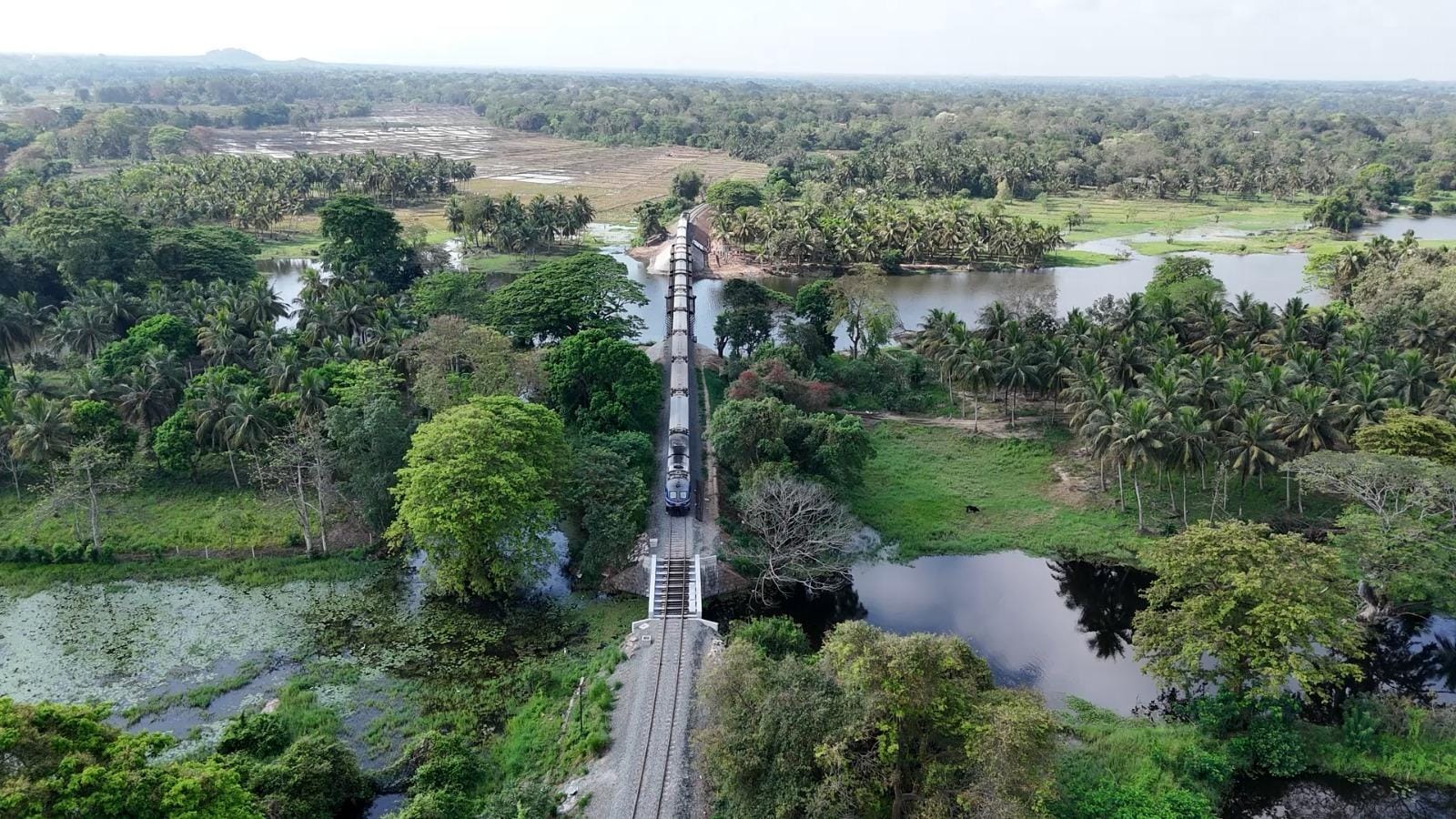
The Northern Line, linking Colombo with Jaffna, has spent much of the past two years either closed or operating under severe limitations.
In early 2024, Sri Lanka Railways suspended services for several months to carry out a major modernization project between Maho and Anuradhapura. The line only fully reopened late that year after nearly eight months of closures and partial operations.
Less than a year later, Cyclone Ditwah struck, damaging key sections between Maho and Jaffna, including bridges and embankments. Emergency repairs allowed limited services to resume in some sections, often at reduced speeds, before further shutdowns followed in early 2026 to facilitate permanent reconstruction.
Taken together, these disruptions have left the country’s primary north–south railway either closed or restricted for a significant portion of the past 18 months.
Sri Lanka Railways has not released consolidated data on the total duration of these closures or the economic losses incurred — gaps that analysts say hinder public accountability.
India Steps In — Again
The latest restoration underscores India’s expanding role in Sri Lanka’s infrastructure, particularly in the north.
Following the cyclone, New Delhi deployed engineering teams and financial assistance across multiple sectors, with railway reconstruction emerging as one of the most visible efforts.
India has rebuilt this line before. After the end of Sri Lanka’s civil war in 2009, Indian funding and contractors were instrumental in restoring rail connectivity to the Northern Province.
The current effort marks the second major reconstruction of key sections of the same corridor in just over a decade.
Indian funding and engineers have repeatedly helped bring the line back; what remains unresolved is Sri Lanka’s own long‑term strategy to make that infrastructure withstand future shocks.
The Cost of Disruption
Rail travel remains the most affordable long-distance transport option in Sri Lanka, particularly for residents of the north, where incomes are generally lower, and alternatives are limited.
When services are suspended, passengers turn to private buses and vans, often paying several times the rail fare. Traders face rising logistics costs, while access to services in Colombo — including specialized medical care — becomes more difficult.
For students and daily commuters, the impact is immediate.
“When trains stop, everything becomes uncertain — classes, exams, even basic travel,” said K. Niranjani, a university student who travels regularly between Vavuniya and Colombo.
Despite these widespread effects, authorities have not published detailed assessments of the economic or social costs associated with the repeated disruptions.
From Repair to Resilience
Infrastructure experts say rebuilding damaged sections, while necessary, does little to address underlying vulnerabilities.
They point to the need for long-term measures, including reinforcing embankments in flood-prone areas, improving drainage systems, strengthening landslide protection, and better coordinating maintenance with modernization work.
Equally important, they say, is transparency — including clear timelines, public reporting of disruptions, and contingency planning.
A Line That Carries More Than Passengers
The Northern Railway Line holds significance beyond its economic role. Built during the colonial era, severed during decades of civil conflict, and restored in the postwar years, it has come to symbolize the physical and political connection between the Northern Province and the rest of the country.
On Wednesday, stations across the north filled with travelers carrying bags, gifts, and luggage as they prepared to journey home for the New Year. Among the trains running again was the Yal Devi, a service long associated with the route and the region it serves.
For passengers, the priority was simple: the trains were moving again.
For policymakers, the challenge is more complex — ensuring that this time, they keep moving.