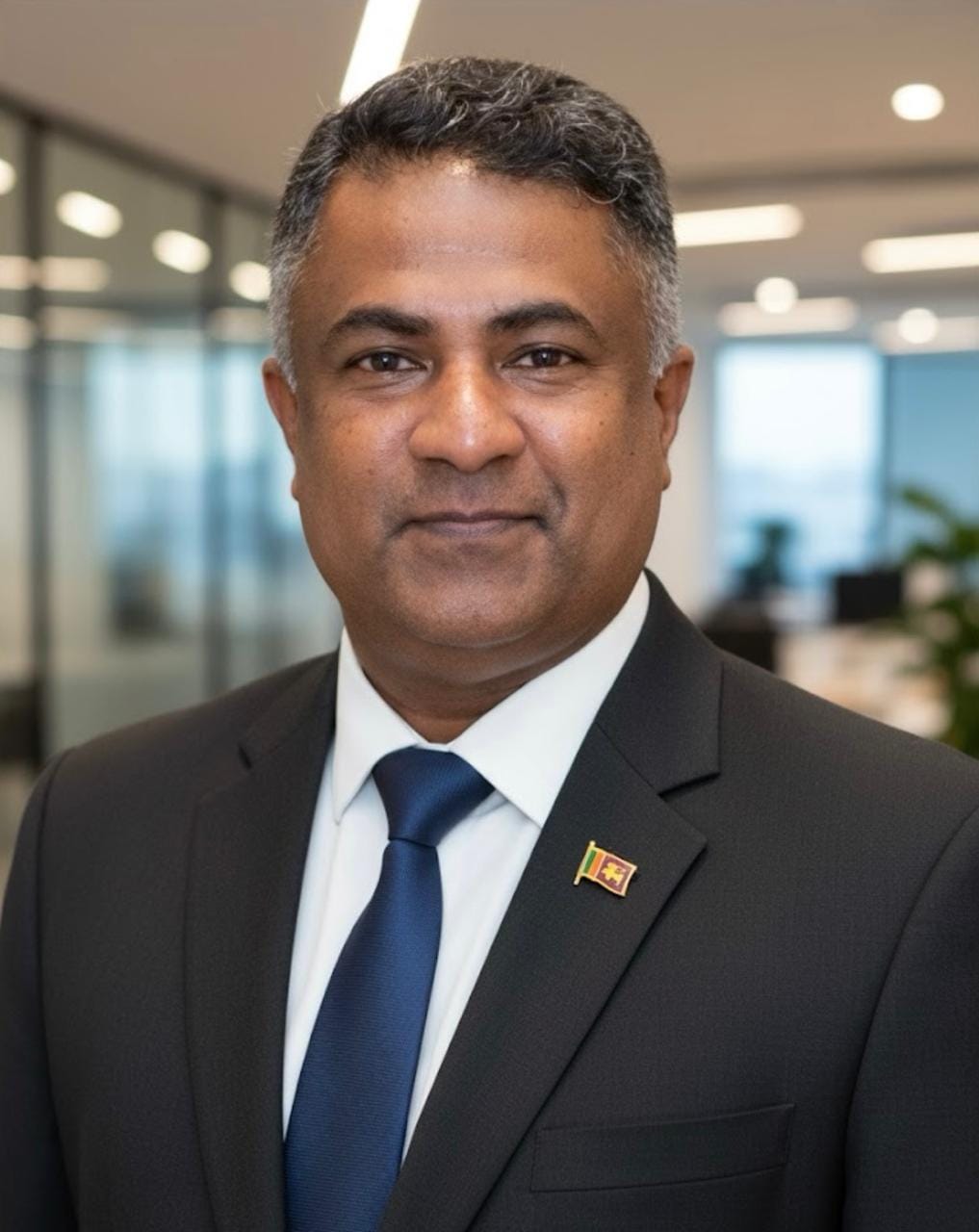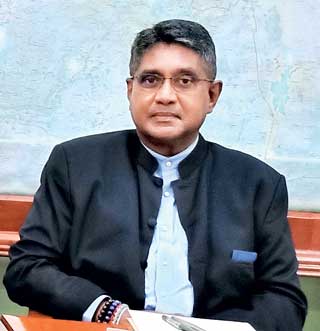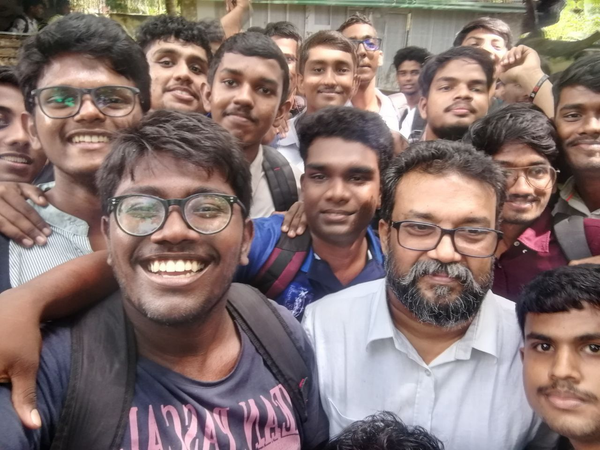
JAFFNA, Sri Lanka — R. Kumaran, a veteran physics teacher from Jaffna who has taught generations of students in northern Sri Lanka, has publicly questioned the political maturity of young Sri Lankan Tamils supporting actor-turned-politician Vijay and his Tamilaga Vettri Kazhagam (TVK) movement in neighboring Tamil Nadu.
In a video widely circulated online, reportedly from a Zoom session with his advanced-level students, Mr. Kumaran — widely regarded in Jaffna as one of the region’s most influential educators, having taught more than 100,000 students over several years — contrasted the wartime experiences of Sri Lankan Tamils with the emotional political enthusiasm some young Tamils now show toward celebrity-driven politics.
Addressing students born after the end of Sri Lanka’s civil war in 2009, Mr. Kumaran said many lacked direct understanding of the devastation endured by Tamils during the conflict.
“You were born after the war,” Mr. Kumaran told his students, according to video footage circulated online. Drawing comparisons to contemporary conflicts such as Iran, he recalled how aerial bombardment and shelling had become an almost routine part of life for civilians in northern Sri Lanka during the civil war.
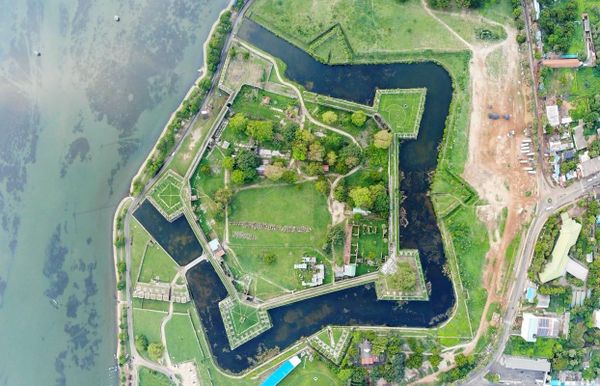
He said shells fired from military positions, including from Jaffna Fort, would sometimes kill civilians in Jaffna town even as buses continued to run and daily life pressed on under constant danger.
“When bombs came, people would hear the sound and rush to bunkers,” he said. “Some who could not make it would die. This was ordinary life for us.”
Recalling the final stages of the war in the Vanni region, where tens of thousands of civilians were trapped, Mr. Kumaran described scenes in which parents, unable even to grieve, were forced to leave behind dead children in order to save those still living.
“This is our history,” he said. “There was not even time to cry.”
Mr. Kumaran argued that such historical suffering was being forgotten by some younger Tamils who now enthusiastically back Mr. Vijay’s political rise in Tamil Nadu.
While acknowledging Vijay’s popularity as an actor, Mr. Kumaran questioned his political credentials and practical contributions.
“He is a good actor. Watching his films is fine,” he said. “But politics is different.”
He also challenged the logic of supporting a politician based largely on future promises, asking what meaningful political action Vijay had undertaken prior to seeking office.
Mr. Kumaran further referenced allegations from the final months of Sri Lanka’s war, claiming that Vijay had declined to endorse a memorandum intended for the United Nations that called for international intervention to halt civilian killings.
According to Mr. Kumaran, Vijay’s refusal at the time reflected his political proximity to the Dravida Munnetra Kazhagam (DMK), which was then allied with India’s ruling Congress party.
“Now he says he opposes the DMK government,” Mr. Kumaran said, suggesting inconsistency in Vijay’s political positioning.
The remarks have sparked discussion online, particularly among Tamil audiences in Sri Lanka. where Vijay’s political ambitions have drawn both enthusiasm and skepticism.
Mr. Vijay, one of Tamil cinema’s biggest stars, formally entered politics in recent years, positioning himself as an alternative force in Tamil Nadu’s political landscape. His rise has generated significant enthusiasm among younger supporters, including in Sri Lanka’s Tamil-majority north, where his films have long commanded a devoted following.
Mr. Vijay is married to Sangeetha Sornalingam, who traces her roots to Chunnakam in Sri Lanka’s Jaffna peninsula before her family later settled in Britain. Their personal life has recently drawn public scrutiny amid widely reported legal proceedings and allegations surrounding their marriage, though such matters remain separate from his political ambitions.
In Sri Lanka, particularly in Jaffna, Mr. Vijay’s popularity has translated into visible political symbolism. Supportive banners have appeared in parts of the north, and a Sri Lankan wing aligned with Tamilaga Vettri Kazhagam has reportedly been formally recognized by his movement, despite Sri Lankan supporters having no electoral role in Tamil Nadu politics.
His celebrity status and cross-border appeal have made him a uniquely influential figure among sections of Tamil youth, though critics continue to question both his political experience and ideological consistency.