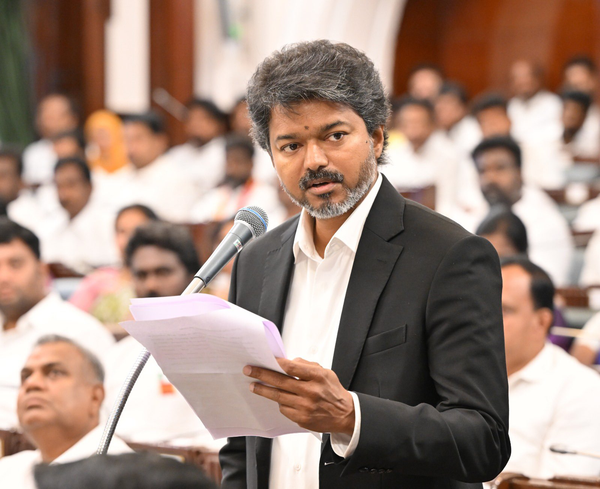
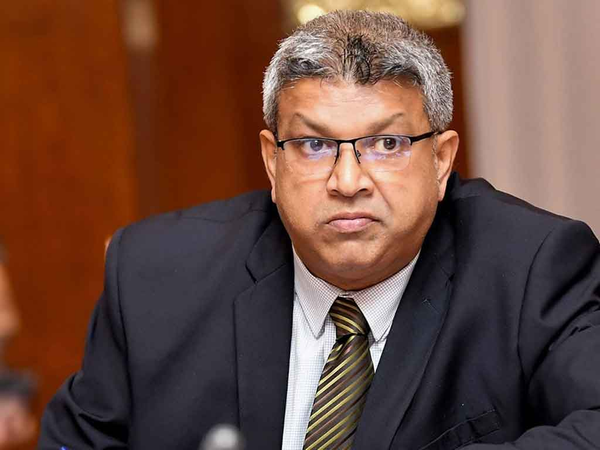
COLOMBO, Sri Lanka — The opposition figures staging a sit-in for a detained former intelligence chief are not defending him out of concern for his welfare but are trying to halt the investigation into the 2019 Easter Sunday bombings before it reaches the people who planned them, Sri Lanka’s justice minister told Parliament on Tuesday.
Harshana Nanayakkara, the minister of justice and national integration, said the campaign on behalf of Suresh Sallay, a retired major general and former head of the State Intelligence Service, was a calculated effort to “stop the investigations with Sallay” because his backers feared that pressing further would expose what the minister called the “principal mastermind” behind the attacks. He predicted that the truth about the bombings would emerge within “the next month or two.”
“They have not united today for Suresh Sallay,” Mr. Nanayakkara said during a parliamentary debate on emergency regulations, according to a record of his remarks. “They are trying by any means necessary to stop the investigations with Sallay.”
Hunger strike, and a sit-in
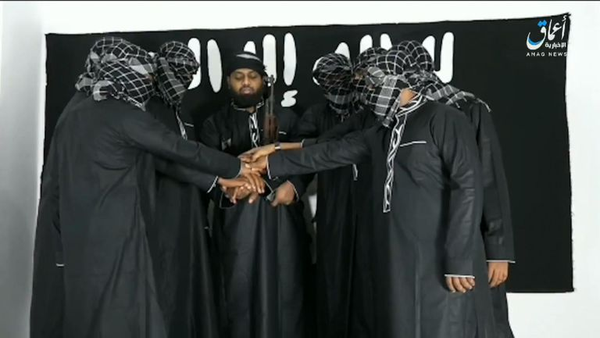
Mr. Sallay was arrested on Feb. 25 by the Criminal Investigation Department on suspicion of conspiracy and of aiding and abetting the coordinated suicide bombings that struck three churches and three luxury hotels on Easter Sunday in April 2019. Mr. Nanayakkara told Parliament that 278 people were killed and about 500 wounded; investigations have generally put the toll at more than 260 dead, including at least 45 foreign nationals.
Mr. Sallay, who was serving in a diplomatic posting abroad when the attacks occurred and was appointed intelligence chief later in 2019 after Gotabaya Rajapaksa became president, has denied any involvement. He has been accused of maintaining links to the local Islamist network blamed for the bombings. Those allegations gained prominence after a British television documentary aired in 2023 claimed that he had helped engineer the attacks to pave the way for Mr. Rajapaksa's return to power. Mr. Sallay has repeatedly rejected those claims.
His detention escalated this month. Mr. Sallay was moved to the National Hospital after beginning a hunger strike, and his wife, Manori Sallay, wrote to the inspector general of police alleging that he had been subjected to “torture, cruel, inhuman and degrading treatment” in custody. The police rejected the accusation in a statement on June 6, saying he had been held under a standard detention order and had received neither special privileges nor mistreatment, a response that also dismissed similar claims made by the former lawmaker Udaya Gammanpila.
On June 8, opposition parties began a satyagraha, or sit-in protest, outside the Fort Railway Station in Colombo, demanding his release. The police dismantled the protesters’ tent the same day in tense scenes. The opposition has framed the detention as a politically driven persecution of an officer who served the state; Mr. Nanayakkara cast the protest as theatrical and belated.
When Mr. Sallay was held for 90 days under the Prevention of Terrorism Act, the minister said, no one staged protests, complained about his food or his cell, or threatened self-immolation, and no one came forward as his mother or wife. The agitation began only after a foreign travel ban was imposed on Mr. Gotabaya Rajapaksa, he said. “For 90 days, Sallay received good food,” Mr. Nanayakkara said. “Did rice and radish only become available after a travel ban was imposed on Gotabaya?” He said fewer than 20 people had turned out when the Fort sit-in began.
Mr. Nanayakkara also pushed back against an opposition allegation, made by the National Freedom Front leader Wimal Weerawansa, that the minister had once acted as legal counsel for Zahran Hashim, the man widely identified as the ringleader of the bombings. The minister did not address that claim directly in Tuesday’s remarks but insisted that investigators, not politicians, were driving the case. “There is no political interference in this process,” he said, adding that the C.I.D. would submit its findings to the courts.
He invoked the imprisonment of Sarath Fonseka, the former army commander jailed after falling out with the Rajapaksa government, to ask why the principle of protecting security personnel had not been applied then. And he accused some news outlets of ignoring the 2019 victims while amplifying Mr. Sallay’s complaints.
Tamil Rapper’s arrest and a contested promise
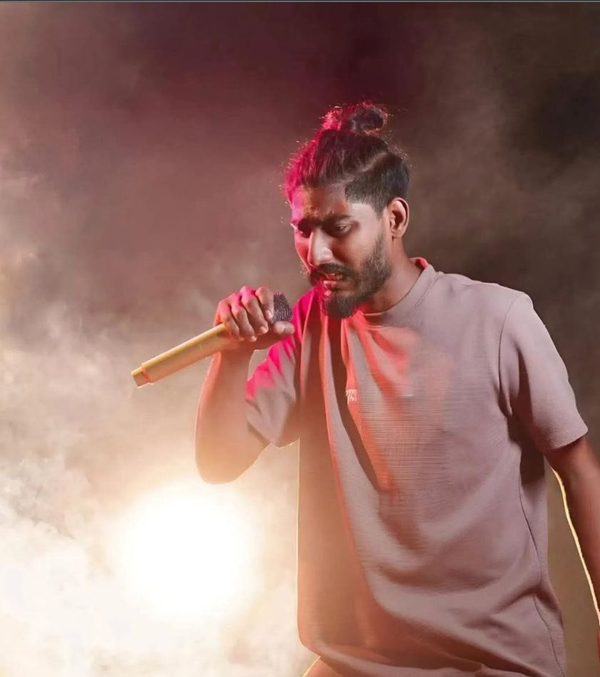
The minister also defended the arrest of Sangeethasan Ganeskumar, a young Tamil rapper from northern Sri Lanka, whose detention has drawn criticism from rights groups and lawmakers across the political spectrum. Critics say the case has become a test of the government's commitment to its longstanding promise to repeal the Prevention of Terrorism Act.
An opposition member had told Parliament that the artist was detained merely for singing on stage. That was “entirely false,” Mr. Nanayakkara said, asserting that the man was arrested not for the performance but for editing the songs and uploading them to social media in a way that promoted the Liberation Tigers of Tamil Eelam. Freedom of expression, he said, applies equally in the north and the south and cannot be used to justify improper conduct.
The artist is Sangeethsan Ganeskumar, 24, a rapper who performs as HipHop Sangee and lives in Udayanagar, Kilinochchi. He performed on May 31 at a musical event at a temple in Navatkuli, in the Chavakachcheri area of Jaffna District. The Jaffna Divisional Criminal Investigation Bureau says he later edited four songs from the event and posted them to his TikTok account in a manner glorifying the LTTE. He was arrested on June 2, produced before the Chavakachcheri Magistrate’s Court the next day under Section 3(g) of the Prevention of Terrorism Act, and remanded until June 17.
His lawyers have argued that the material cited by the police contains no reference to the L.T.T.E. or its leadership and does not amount to a terrorism offense. M. A. Sumanthiran, a President’s Counsel and acting general secretary of the Ilankai Tamil Arasu Kachchi, said after meeting the rapper in Jaffna Prison that a fundamental rights petition would be filed in the Supreme Court seeking his release. Amnesty International has called for his freedom and renewed demands to scrap the terrorism law, and protests have been held in Kilinochchi, Vavuniya, and Mannar.
Criticism of the arrest has not come solely from Tamil politicians. Namal Rajapaksa of the Sri Lanka Podujana Peramuna accused the government of applying the law selectively, questioning why a young artist had been remanded under anti-terrorism legislation while members of the governing party had, during recent election campaigns, used imagery and rhetoric that he said similarly glorified the LTTE and its leader, Prabhakaran, without facing any legal consequences.
Mr. Nanayakkara said the terrorism law remained in force and that no detention order had yet been issued against the rapper, meaning he could seek bail. He reiterated that the government was in the final stages of repealing the act and replacing it with new legislation, and that a repeal bill would be presented to Parliament within a month or two — a timeline the administration has cited before without acting on it.
Addressing separate allegations of political interference in the judiciary, including the contested transfer of Jaffna High Court Judge Alex Raja, the minister said that neither the executive nor the government interfered in judicial transfers, promotions, or disciplinary matters, which are handled by the constitutionally established Judicial Service Commission. While previous governments may have transferred judges for political reasons, he said, his administration would not do so.
Returning to the bombings, Mr. Nanayakkara repeated that those who feared the investigation were working to “preserve sympathy” for Mr. Sallay. “The truth about the bombings will emerge within the next month or two,” he said. “The people already understand clearly.”