JAFFNA, Sri Lanka — India's vice president has privately voiced concern about the proliferation of Tamil political parties in Sri Lanka's Northern and Eastern Provinces, urging that the crowded field be brought to "some level of order," a senior Tamil leader said on Tuesday.
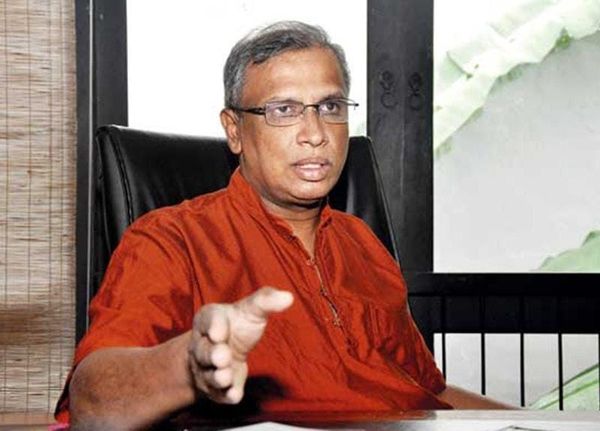
C. V. K. Sivagnanam, the acting president of the Ilankai Tamil Arasu Kachchi (ITAK) , said Vice President C. P. Radhakrishnan made the remarks during a meeting with seven Tamil party representatives in Colombo on Sunday, on the first day of a two-day official visit to Sri Lanka.
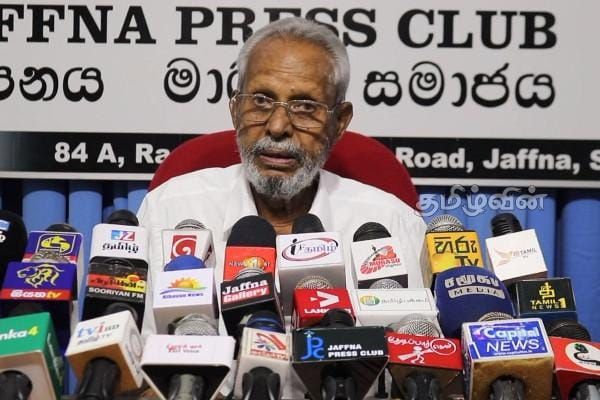
Speaking to reporters in Jaffna, Mr. Sivagnanam said the observation merited “serious reflection,” given that it came from a figure with decades of experience in Indian politics, including two terms in the Lok Sabha and senior roles in the Bharatiya Janata Party. However, he incorrectly suggested that C. P. Radhakrishnan had served as a minister; Mr. Radhakrishnan has not held a ministerial post.
"Political parties have increased significantly," Mr. Sivagnanam said, recounting Mr. Radhakrishnan's words. "He told us that this situation should be brought to some level of order. We must understand the deeper meaning behind that observation."
Tamil politics in the north and east has grown increasingly fragmented in the years since the end of Sri Lanka's civil war in 2009, with new parties, breakaway factions, and independent groups competing for a shrinking pool of voters. Mr. Sivagnanam said parties were now emerging "from house to house" across districts and provinces, and that even the total number of registered outfits was no longer clear.
"When such a view comes from a person with political experience and insight, it suggests that the current situation is not healthy," he said. "It is something we must carefully examine and also explain to the people."
The Colombo meeting brought together a delegation dominated by ITAK — four of its seven participants were drawn from the party — alongside representatives of the People's Liberation Organisation of Tamil Eelam, the Tamil Eelam Liberation Organization and the Tamil National People's Front. The discussions, Mr. Sivagnanam said, were "constructive," and covered constitutional reform, the 13th Amendment to Sri Lanka's Constitution, and the long-delayed Provincial Council elections, which have not been held in the north and east for years.
Mr. Sivagnanam said Tamil leaders pressed Mr. Radhakrishnan on the need for the elections to be conducted without further delay, and that the vice president indicated he had already raised the matter with President Anura Kumara Dissanayake. Participants in earlier briefings had said the Sri Lankan side did not offer a clear response on the question during Mr. Radhakrishnan's meeting with the president.
Mr. Radhakrishnan, who hails from Tiruppur and was sworn in as India’s 15th vice president in September 2025, was meeting Sri Lankan Tamil leaders for the first time since taking office. His Tamil linguistic and cultural background has drawn quiet attention in the North and East, where such shared roots have long carried symbolic weight.
"As a Tamil, he has a good understanding of our issues," Mr. Sivagnanam said.
Tamil leaders also used the meeting to reiterate their longstanding constitutional position. "We clearly emphasized that our political solution remains a federal system," Mr. Sivagnanam said.
There was no immediate official comment on the vice president’s reported remarks. Public readouts of the visit issued by India’s Ministry of External Affairs made no reference to any discussion on Tamil political fragmentation, and statements from the Indian High Commission did not mention the issue.