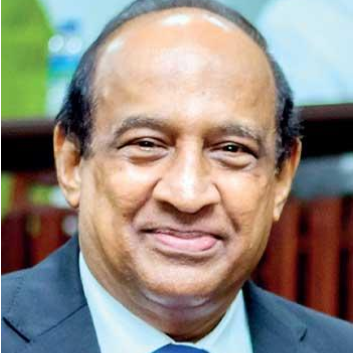
By: Dr. Gamini Goonetilleke
The Ministry of Health is the government institution responsible for governing the entire health system in Sri Lanka, playing a vital role in protecting public health, ensuring that all organizations providing health-related products and services comply with safety regulations, and guaranteeing that individuals and communities receive quality healthcare without financial hardship. Its vision is “a healthier nation that contributes to its economic, social, mental and spiritual development,” while its mission is “to contribute to the social and economic development of Sri Lanka by achieving the highest attainable health status by promoting preventive, curative and rehabilitative services of high quality that are accessible to all people.”
The Ministry of Health is responsible for stewardship functions such as policy formulation and health legislation, program monitoring and technical oversight, management of health technologies, human resources, tertiary care, and other selected hospitals. The primary and secondary levels of curative care and preventive services function under the nine provincial ministries.
In Sri Lanka, healthcare facilities are widely regarded as both accessible and of good quality, despite the inherent complexity of delivering effective care. Multiple factors shape the performance of the system, including infrastructure, workforce, and resource allocation. The public sector plays a dominant role, providing nearly 95% of inpatient care and about 50% of outpatient services.
According to the Annual Bulletin of the Ministry of Health, Sri Lanka (2025), by mid-2022, the country had more than 1,500 healthcare institutions, including 588 hospitals and 517 primary care facilities, along with 335 Medical Officer of Health (MOH) offices. In total, 555 government hospitals deliver primary healthcare services, offering curative, preventive, and rehabilitative care to the population. These services are provided through a coordinated, multidisciplinary approach involving doctors, nurses, pharmacists, laboratory personnel, radiology staff, and others, including medical records officers working together as an integrated team.
Sri Lanka’s free health service stands as one of the most remarkable achievements in the developing world. For over seven decades, it has provided universal access to healthcare, free at the point of delivery, contributing to impressive health indicators such as high life expectancy, low maternal mortality, and effective control of communicable diseases. However, the changing health landscape, economic constraints, and systemic inefficiencies have exposed gaps that threaten equity and quality. To truly embody the vision and mission of the Ministry of Health—ensuring accessible, equitable, and quality care for all—Sri Lanka must undertake thoughtful reforms that strengthen, modernize, and sustain the health system.
A clear and comprehensive National Health Policy, agreed upon by all key stakeholders—including political parties, trade unions, and professional medical bodies—is essential to ensure that healthcare remains a national priority rather than a tool of political rhetoric during election cycles. Such a policy would provide continuity, stability, and long-term direction for the health sector, irrespective of changes in government.
At the same time, there must be an honest and collective assessment of the sustainability of Sri Lanka’s free health service. Rising costs are driven by the expansion of healthcare institutions, increasing numbers of specialist, medical officers, nursing and paramedical staff, and rapid advances in medical technology. Modern diagnostics and treatments—such as new techniques in radiology, chemotherapy, radiotherapy, cardiac by-pass surgery, cardiac stents, and various types of grafts, organ transplantation, joint replacement, various implants, and minimally invasive or robotic surgery, a variety of new medicines, and many more have significantly improved patient outcomes but come at a high financial cost.
In this context, it is necessary to consider whether a fully free health service for the entire population remains viable. Thoughtful reform may be required, such as prioritizing free care for the most vulnerable while introducing contributory mechanisms or a national health insurance scheme for others, ensuring both equity and sustainability.
At its core, the Sri Lankan health system was designed during a period when infectious diseases and maternal and child health were the main priorities. Today, the burden has shifted dramatically toward non-communicable diseases (NCDs), trauma, aging populations, and complex chronic conditions. This epidemiological transition requires a fundamental reorientation of services. One of the most important steps toward improvement is strengthening primary healthcare. Although Sri Lanka has an extensive network of primary care institutions, these are often underutilized, with patients bypassing them to seek care at secondary and tertiary hospitals. This leads to overcrowding, inefficiency, and inequitable access to specialized services.
To address this, a robust gatekeeping and referral system must be introduced. Primary care institutions should become the first point of contact, providing continuous, family-centered care, particularly for chronic diseases. Strengthening Family Medicine, improving diagnostic facilities, and ensuring the availability of essential drugs at the primary level will encourage patients to rely on these services. Such a system would not only improve efficiency and reduce cost but also promote equity by ensuring that all citizens receive appropriate care at the right level.
In 2015, the World Federation for Medical Education (WFME), in its report WFME Global Standards for Quality Improvement in Basic Medical Education, recommended the inclusion of Family Medicine as a subject in the Final MBBS examination, alongside the core disciplines of Medicine, Surgery, Paediatrics, Obstetrics and Gynecology, and Psychiatry. In keeping with this important recommendation, it is encouraging to note that most medical schools in Sri Lanka have now incorporated Family Medicine into their undergraduate curricula, reflecting a growing recognition of its role in strengthening primary care.
Further progress has been made at the postgraduate level. The Postgraduate Institute of Medicine (PGIM), functioning under the University of Colombo, has established structured training pathways in Family Medicine, offering both a Diploma and the MD (Family Medicine). These qualifications lead to certification as a specialist in Family Medicine by the Board of Management, on the recommendation of the Board of Study in Family Medicine. The total training duration is 5 years. Since its inception in 2000, the program has undergone several revisions to align with evolving national health priorities and ongoing primary care reforms.
The establishment of the Sri Lanka College of Specialist Family Physicians (SLCSFP) in 2014 has further strengthened this specialty, providing professional leadership and contributing to the advancement of Family Medicine in Sri Lanka, in line with broader health sector reforms aimed at reinforcing primary healthcare.
A gradual restructuring of Sri Lanka’s healthcare system to align with models practiced in Western nations would significantly strengthen efficiency, continuity of care, and cost-effectiveness. Central to this reform is the systematic appointment of specialists in Family Medicine across all levels of hospitals—National, Provincial, District General, Base, and Divisional institutions. These specialists would serve as the first point of contact, thereby easing the burden on tertiary-level specialist clinics, reducing unnecessary hospital admissions, and ensuring proper follow-up care.
Family Medicine Units should progressively replace the existing Outpatient Departments (OPDs), which currently function as episodic care centers without continuity. In contrast, Western systems emphasize structured primary care units that maintain long-term patient records and accountability. The introduction of digital patient registration systems using barcodes or QR codes would further enhance continuity, enabling efficient record-keeping and coordinated care.
These units would deliver a broad spectrum of services, including family medicine clinics, youth and antenatal care, non-communicable disease management, geriatric care, family planning, immunization, wound care, and minor surgical procedures. Basic diagnostic services such as ultrasound and endoscopy, alongside preventive care initiatives like obesity management, cancer screening, and health education, could also be integrated gradually.
However, infrastructure and workforce support are critical. Adequate facilities, improved living conditions and incentives for healthcare workers in primary care settings in remote regions must be ensured; without these, such reforms are unlikely to succeed.
Additionally, private general practitioners should be required to undergo formal training in Family Medicine before independent practice, ensuring uniform standards of care. Specialist consultations in the private sector could be streamlined through health insurance schemes, reducing out-of-pocket expenditure of patients.
If implemented thoughtfully, this model would create a more organized, patient-centered system with improved access, reduced costs, and better health outcomes—hallmarks of successful Western healthcare systems—while still preserving Sri Lanka’s strong foundation of universal health coverage
Another major challenge is the unequal distribution of resources. While urban centers often have better-equipped hospitals, specialist services and more doctors, rural and remote areas frequently suffer from shortages of doctors, nurses, and essential facilities. Decentralization, though beneficial in many ways, has contributed to disparities in resource allocation. To improve equity, there must be a comprehensive national resource mapping exercise, followed by the strategic deployment of health personnel and the development of infrastructure in underserved areas. Incentives such as financial benefits, career advancement opportunities, and improved living conditions should be provided to encourage healthcare workers to serve in remote regions.
Human resource constraints represent a critical barrier to equitable healthcare. The migration of doctors and specialists, often due to better opportunities abroad, has created significant gaps in the system. Addressing this requires long-term workforce planning, merit-based appointments, and improved working conditions. Investment in training, continuous professional development, and retention strategies is essential. Additionally, expanding the roles of allied health professionals, such as nurse practitioners and community health workers, can help bridge service gaps, especially in remote primary care settings.
Equity in healthcare is also closely linked to the availability of medicines and diagnostic services. Despite the policy of free healthcare, shortages of essential drugs and laboratory facilities often force patients to seek care in the private sector, leading to out-of-pocket expenditure. Strengthening the supply chain, improving procurement systems, and ensuring transparency in drug regulation are crucial steps. The adoption of digital inventory systems and improved forecasting methods can reduce stock-outs and ensure the consistent availability of medicine across all regions.
The integration of health information systems is another area requiring urgent attention. Currently, fragmentation and lack of interoperability between institutions hinder efficient patient management and continuity of care. Developing a unified digital health information system would enable better tracking of patient histories, improve referral mechanisms, and support data-driven decision-making. Such systems can also enhance transparency and accountability, aligning with the Ministry’s mission of efficient and evidence-based healthcare delivery.
Preventive and health promotion services, which have historically been a strength of Sri Lanka’s health system, must be further enhanced. Community-based health programs, including maternal and child health services, have contributed significantly to the country’s achievements. However, with the rise of NCDs, there is a need to expand health education, promote healthy lifestyles, and encourage early detection and self-care. Schools, workplaces, and community organizations should be actively involved in health promotion initiatives, creating a culture of wellness that reduces the burden on curative services.
Another important dimension of equity is addressing the needs of vulnerable and marginalized populations. These include rural communities, the urban poor, the elderly, and those affected by conflict or displacement. Policies must prioritize improving access to healthcare for these groups, including mobile clinics, outreach programs, and targeted interventions. Special attention should also be given to mental health services, which have historically been under-resourced. Expanding community-based mental health care, reducing stigma, and integrating mental health into primary care are essential for comprehensive and equitable service delivery.
Financing remains a fundamental challenge. Although Sri Lanka has achieved impressive health outcomes with relatively low expenditure, the sustainability of the free health system is under pressure due to rising costs and limited budget allocations. Increasing public investment in health, improving efficiency in resource utilization, and prioritizing cost-effective interventions are necessary. However, care must be taken to preserve the principle of free access especially to the most vulnerable, avoiding policies that may widen inequities, such as excessive reliance on private sector or insurance-based models.
Good governance and leadership are critical to the success of any health system reform. Strengthening accountability mechanisms, ensuring transparency in decision-making, and involving stakeholders at all levels can enhance trust and effectiveness. The implementation of a National Health Performance Framework, which provides data on health system performance, can empower citizens and policymakers alike. Decentralized decision-making, combined with strong central oversight, can allow for context-specific solutions while maintaining national standards.
Finally, innovation and research must play a central role in improving the health system. Encouraging local research, adopting new technologies, and learning from global best practices can help Sri Lanka adapt to emerging challenges. Telemedicine, for example, has the potential to improve access to specialist care in remote areas. Similarly, the use of artificial intelligence and data analytics can enhance disease surveillance, resource allocation, and clinical decision-making.
In conclusion, Sri Lanka’s free health service remains a cornerstone of its social welfare system and a symbol of its commitment to equity and justice. However, to sustain and strengthen this system in the face of evolving challenges, comprehensive reforms are essential. By focusing on strengthening primary care, ensuring equitable resource distribution, addressing human resource shortages, improving access to medicines, integrating health information systems, enhancing preventive care, prioritizing vulnerable populations, ensuring sustainable financing, and promoting good governance and innovation, Sri Lanka can move closer to achieving true equity in healthcare. In doing so, it will not only uphold the vision and mission of the Ministry of Health but also reaffirm its longstanding commitment to the health and well-being of all its citizens.