

COLOMBO, Sri Lanka — Sri Lanka’s Supreme Court on Wednesday upheld the death sentences of four men convicted in the 2015 abduction, gang rape, and murder of Sivaloganathan Vithiya, an 18-year-old student from Jaffna.
In a ruling delivered by a five-judge bench headed by Chief Justice Preethi Padman Surasena, the court dismissed appeals filed by the chief accused, Mahalingam Sasikumar — widely known as “Swiss Kumar” — and three others seeking to overturn their convictions. The court also set aside the sentences of two additional defendants.
The case, which deeply traumatised the Tamil-majority Northern Province, dates back to May 2015, when Vithiya, an Advanced Level student from Pungudutivu, was abducted on her way to school. Her body was discovered the following day in an abandoned building, where investigators said she had been sexually assaulted and murdered.
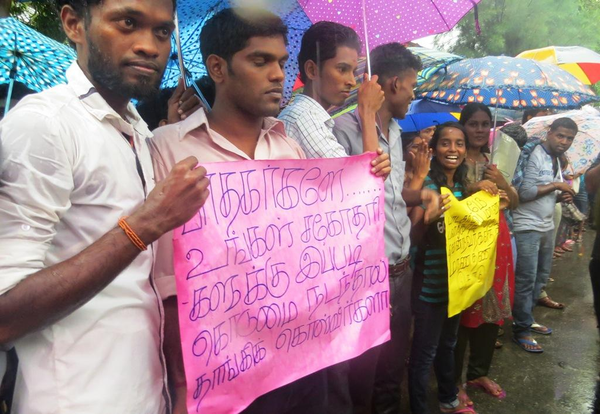
Her killing provoked widespread outrage across northern Sri Lanka, leading to hartals, protests, and demands for justice, while also exposing serious deficiencies in policing, particularly after officers initially dismissed her disappearance and later faced accusations of negligence and complicity.
Public anger intensified when Swiss Kumar briefly escaped custody before being recaptured, a scandal that later resulted in the conviction of former Senior Deputy Inspector General Lalith Jayasinghe for aiding the suspect’s flight.
The original 2017 Trial-at-Bar in Jaffna — the first of its kind in the district — sentenced seven men to death, marking a landmark judicial moment in the region.
Although Sri Lanka retains capital punishment, executions have not been carried out since 1976 under a longstanding unofficial moratorium, meaning the sentences may remain symbolic unless future governments reverse that policy.
Still, Wednesday’s judgment is likely to be viewed by many as a rare moment of judicial closure in a case that profoundly shaped public discourse on justice, gender violence and state accountability in post-war Sri Lanka.
Vithiya's family had been displaced from Pungudutivu in 1990 as a result of the Sri Lankan Civil War. During the final months of the war in 2009, Vithiya was studying in Colombo while her family, still in the Vanni, were caught in the brutal fighting and ended up in the Menik Farm internment camps. She and her family returned to Pungudutivu in 2010.